


 English

Flexible Aluminum Busbar
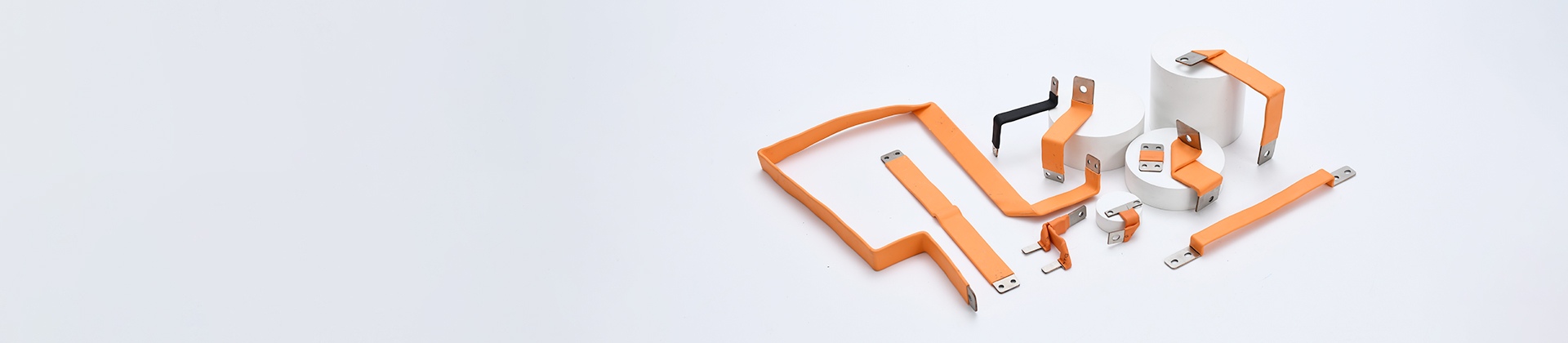
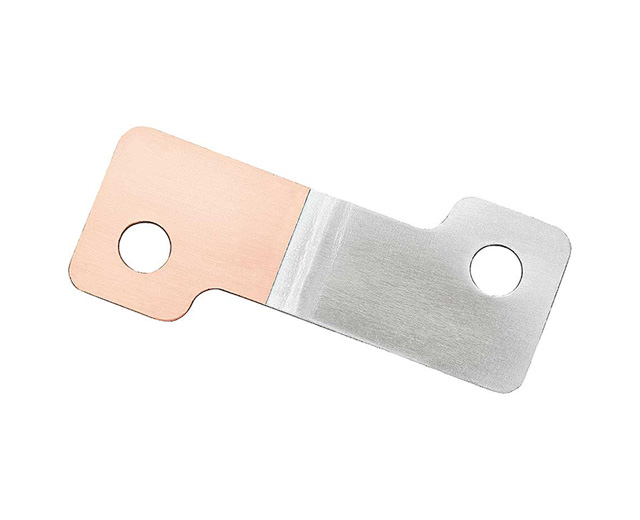
A laminated Aluminum Busbar is an advanced electrical conductor composed of multiple layers of aluminum sheets bonded together with insulating materials. Designed for high-current power transmission, low electrical resistance, and excellent thermal management, it is widely used in electric vehicles, renewable energy systems, industrial equipment, and modern power distribution applications.
Compared with traditional solid busbars, a laminated Aluminum Busbar provides improved electrical performance, better heat dissipation, reduced eddy current losses, and a more compact installation design. Its lightweight structure and corrosion resistance make it an ideal solution for applications requiring reliable and efficient electrical connections.
As a professional laminated aluminum busbar manufacturer, we provide customized laminated busbar solutions with different layer structures, thicknesses, insulation materials, and configurations to meet various industrial and automotive requirements.
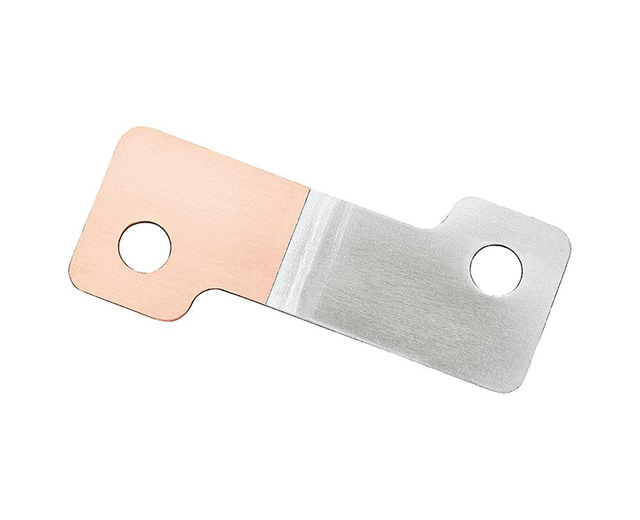
A laminated aluminum busbar is a multi-layer electrical conductor made by stacking thin aluminum layers with insulating films between each layer.
Unlike traditional single-piece aluminum busbars, the laminated structure allows:
Better electrical insulation
Reduced electromagnetic losses
Improved thermal performance
Compact space-saving designs
Enhanced mechanical strength
The aluminum conductor provides excellent conductivity and lightweight advantages, while the insulating layers improve electrical safety and reliability.
Common insulation materials include:
Polyimide film
Epoxy coating
PET insulation film
Ceramic-filled polymers
A laminated aluminum busbar works by efficiently distributing electrical current between power components while maintaining electrical isolation between conductive layers.
The laminated structure helps:
Reduce skin effect and eddy current losses
Improve current distribution
Enhance heat dissipation
Minimize installation space
During operation, the aluminum layers carry electrical current, while the insulation layers prevent short circuits and provide additional protection.
This makes laminated aluminum busbars particularly suitable for high-frequency and high-current applications.
The Laminated Aluminum Busbar is a high-performance electrical conductor widely used in power distribution systems due to its exceptional properties. Here are 4 to 6 key characteristics with technical data:
1. High Conductivity with Low Resistance: The laminated aluminum busbar typically achieves an electrical conductivity of 56-60% IACS (International Annealed Copper Standard), with a resistivity as low as 28.2 nΩ·m at 20°C. This ensures efficient current carrying capacity while minimizing energy losses.
2. Excellent Thermal Performance: With a thermal conductivity of 210-230 W/(m·K), the busbar effectively dissipates heat generated during operation. The maximum continuous operating temperature can reach 105°C, with short-term overload capability up to 150°C.
3. Lightweight Construction: Aluminum's density of 2.7 g/cm³ makes the busbar approximately 50% lighter than equivalent copper conductors, reducing structural support requirements while maintaining mechanical strength.
4. Superior Current Carrying Capacity: A typical 100mm × 10mm laminated aluminum busbar can carry 1200-1500A continuously, with short-circuit withstand current reaching 50-100kA for 1-3 seconds depending on specific design parameters.
5. Corrosion Resistance: The natural oxide layer formation provides excellent corrosion resistance, with salt spray test performance exceeding 1000 hours in accordance with ASTM B117 standards.
6. Cost-Effective Solution: Compared to copper alternatives, laminated aluminum busbars offer 30-50% cost savings in material expenses while delivering comparable electrical performance, making them an economical choice for large-scale installations.
| Parameter | Specification |
| Product Name | Laminated Aluminum Busbar |
| Material | Aluminum alloy |
| Conductivity | 56–60% IACS |
| Resistivity | 28.2 nΩ·m at 20°C |
| Thermal Conductivity | 210–230 W/(m·K) |
| Aluminum Density | 2.7 g/cm³ |
| Operating Temperature | Up to 105°C continuous |
| Short-Term Temperature | Up to 150°C |
| Current Capacity | Customized according to design |
| Short Circuit Current | 50–100kA (1–3 seconds) |
| Insulation Material | Polyimide, epoxy, PET, ceramic polymer |
| Thickness | Customized |
| Width | Customized |
| Layer Structure | Multi-layer aluminum with insulation |
| Customization | OEM / ODM available |
Applicantion
Laminated Aluminum Busbars are widely used in various industries due to their high conductivity, lightweight design, and excellent thermal performance. Below are 4-6 key application areas:
Electric Vehicles (EVs): Laminated busbars are essential in EV battery packs and power distribution systems, offering low resistance and efficient heat dissipation to enhance performance and safety.
Renewable Energy Systems: Used in solar inverters and wind turbine converters, these busbars ensure reliable power transmission with minimal energy loss in high-current applications.
Industrial Automation: They provide compact and robust power distribution solutions for motor drives, robotics, and control panels in manufacturing plants.
Data Centers: Laminated busbars enable efficient power delivery to servers and UPS systems, reducing space requirements and improving energy efficiency.
Aerospace & Defense: Their lightweight and high-current-carrying capacity make them ideal for avionics, radar systems, and military power distribution networks.
Consumer Electronics: Found in high-power devices like air conditioners and industrial appliances, they ensure stable and safe electrical connectivity.
These applications highlight the versatility and reliability of laminated aluminum busbars in modern electrical and electronic systems.
| Feature | Laminated Aluminum Busbar | Solid Aluminum Busbar |
| Structure | Multi-layer aluminum with insulation | Single aluminum conductor |
| Electrical Isolation | Excellent | Limited |
| Eddy Current Loss | Lower | Higher |
| Heat Dissipation | Better | Good |
| Installation Space | Compact | Larger |
| Application | EV, power electronics | General power distribution |
| Feature | Laminated Aluminum Busbar | Laminated Copper Busbar |
| Weight | Lightweight | Heavier |
| Material Cost | Lower | Higher |
| Conductivity | Good | Excellent |
| Corrosion Resistance | Excellent | Good |
| Application | EV, renewable energy | High-power electronic systems |
A: A laminated aluminum busbar is a multi-layer conductive assembly made of aluminum sheets, insulated between layers, used for high-current power distribution in applications like EVs and renewable energy systems.
A: Aluminum offers 60% lighter weight and lower cost than copper while maintaining ~61% conductivity. Its natural oxide layer provides corrosion resistance.
A: Lamination reduces skin effect, increases surface area for cooling, and allows compact stacking of conductors while maintaining electrical isolation.
A: Key applications include:
- Electric vehicles (battery packs)
- Solar/wind power inverters
- Industrial switchgear
- Aerospace power systems
A: Common options include:
• Polyimide films (high temp)
• Epoxy coatings
• Ceramic-filled polymers

Copyright © 2026 G AND N FORTUNE LIMITED All rights reserved.