


 English

Flexible Copper Busbar

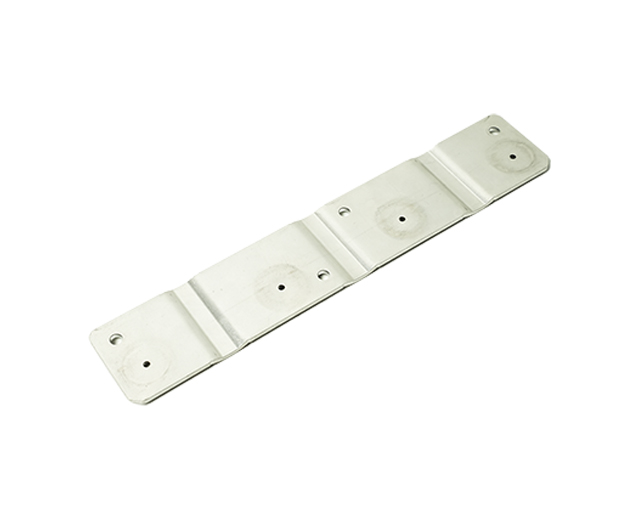
Bus bar aluminum (bus bar aluminium / aluminium bus bars) is a type of electrical conductor made from high-quality aluminum alloy, designed for efficient power distribution in electrical systems. It is widely used as a lightweight and cost-effective alternative to copper busbars in industrial, renewable energy, and power infrastructure applications.
An Aluminum Bus Bar provides a reliable path for current transmission while reducing system weight and overall installation cost.
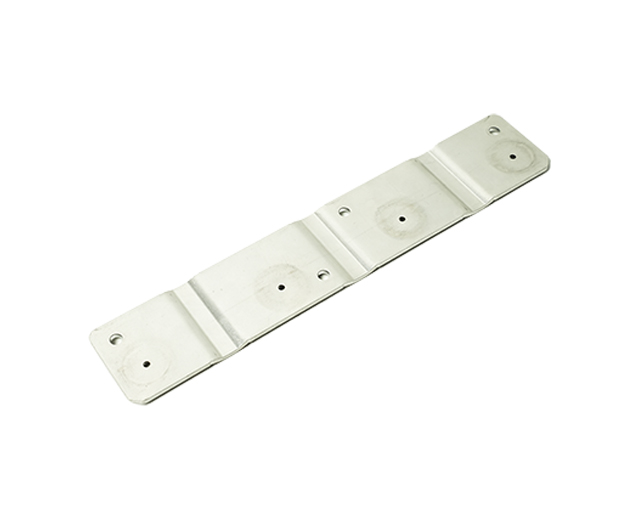
The performance of an aluminum busbar depends heavily on its aluminum busbar material and alloy selection.
The 6101 aluminum bus bar is one of the most widely used alloys for electrical applications.
Excellent electrical conductivity
High mechanical strength
Ideal for power transmission systems
Common in high-current busbar systems
The 6101 T61 aluminum bus bar offers improved strength and stability through heat treatment.
Better mechanical performance
Stable conductivity
Suitable for heavy-duty electrical systems
The 6061 aluminum bus bar is known for its structural strength.
High corrosion resistance
Good machinability
Suitable for structural and industrial busbar systems
Common aluminum bus bar alloy materials include 6101 and 6061, balancing conductivity, strength, and cost efficiency.
A basic rigid aluminum bus used in electrical panels and distribution systems.
An aluminium tubular busbar features a hollow structure:
Lightweight design
Improved heat dissipation
Reduced material usage
Suitable for high-current applications
A tin plated aluminum bus bar improves performance and durability:
Better corrosion resistance
Lower contact resistance
Improved electrical connection reliability
A copper clad aluminium busbar combines two materials:
Aluminum core (lightweight)
Copper outer layer (high conductivity)
Advantages:
Lower cost than pure copper busbars
Improved conductivity compared to aluminum
Widely used in hybrid power systems
Understanding aluminum bus bar vs copper helps in selecting the right solution:
| Feature | Aluminum Bus Bar | Copper Bus Bar |
|---|---|---|
| Weight | Lightweight | Heavy |
| Cost | Lower | Higher |
| Conductivity | Medium | High |
| Installation | Easier | More difficult |
| Application | Large-scale systems | Compact high-performance systems |
In many industrial applications, bus bar aluminium is preferred for its cost and weight advantages.
A typical aluminium bus bar specification includes:
Material grade (6101, 6061, etc.)
Cross-sectional size (width × thickness)
Current carrying capacity
Surface treatment (bare, tin plated, copper clad)
Operating temperature range
Mechanical strength requirements
Insulation or mounting design
Custom specifications are often provided by aluminum bus bar manufacturers based on project requirements.
Proper copper to aluminum bus bar connections are critical in hybrid systems.
Key considerations include:
Use of bi-metal transition plates
Anti-oxidation treatment
Proper torque control in bolted joints
Use of conductive grease or coating
Prevention of galvanic corrosion
These methods ensure stable and safe electrical performance in mixed-material systems.
Aluminum is significantly lighter than copper, making installation easier.
The aluminium busbar price is much lower than copper alternatives.
With proper sizing, aluminum can efficiently handle high current loads.
Aluminum is easy to cut, drill, and machine into custom shapes.
With tin plating or surface treatment, durability is greatly improved.
Choosing a reliable aluminium busbar manufacturer is essential for performance and safety.
Professional aluminium busbar suppliers and aluminum bus bar manufacturers typically provide:
Custom busbar design and engineering
CNC machining and fabrication
Surface treatment options (tin plated, copper clad)
OEM/ODM production services
Electrical testing and quality inspection
The aluminium busbar price depends on:
Alloy type (6101, 6061, etc.)
Size and thickness
Surface treatment (tin plated, copper clad)
Order quantity
Processing complexity
Market aluminum material cost
Generally, aluminum busbars offer a more economical solution than copper busbars, especially for large-scale installations.
Aluminum bus bars are widely used in:
Power distribution systems
Electrical switchgear
Substations and transformers
Renewable energy systems (solar & wind)
Industrial automation equipment
Rail transportation systems
Data centers and UPS systems
Bus bar aluminum (aluminum bus bar) is a lightweight, cost-effective, and reliable solution for modern electrical power distribution systems. With options like 6101 aluminum bus bar, 6061 aluminum bus bar, tin plated aluminum bus bar, and copper clad aluminium busbar, it can meet the requirements of different industrial applications.
By working with professional aluminum bus bar manufacturers and selecting the right aluminum bus bar alloy, users can achieve optimal performance, safety, and cost efficiency in power transmission systems.
Bus bar aluminum (bus bar aluminium / aluminum bus bar) is an electrical conductor made from aluminum alloy, used to distribute and transmit electrical current in power systems. It is widely used as a lightweight and cost-effective alternative to copper busbars in industrial and energy applications.
Aluminum bus bars are used in:
Power distribution systems
Electrical switchgear and panels
Substations and transformers
Solar and wind power systems
Industrial automation equipment
Rail and transportation systems
They are ideal for large-scale, high-current applications.
The main differences are:
Aluminum bus bar: lighter, cheaper, larger size required
Copper bus bar: higher conductivity, more compact, higher cost
Aluminum is preferred for cost-sensitive and large installations, while copper is used for compact high-performance systems.
Common aluminum busbar material options include:
6101 aluminum bus bar (high conductivity)
6101 T61 aluminum bus bar (high strength version)
6061 aluminum bus bar (structural strength)
Aluminum bus bar alloy (general category)
A copper clad aluminium busbar combines:
Aluminum core (lightweight)
Copper outer layer (high conductivity)
It provides a balance between cost, weight, and electrical performance.
A tin plated aluminum bus bar is aluminum coated with tin to:
Improve corrosion resistance
Reduce contact resistance
Enhance electrical connection stability
An aluminium tubular busbar is a hollow aluminum conductor designed for:
Better heat dissipation
Reduced material usage
Lightweight high-current applications
Typical aluminium bus bar specification includes:
Alloy grade (6101, 6061, etc.)
Size (width, thickness, or diameter)
Current rating
Surface treatment (bare, tin plated, copper clad)
Installation and mounting method

Copyright © 2026 G AND N FORTUNE LIMITED All rights reserved.