


 English

Flexible Copper Busbar
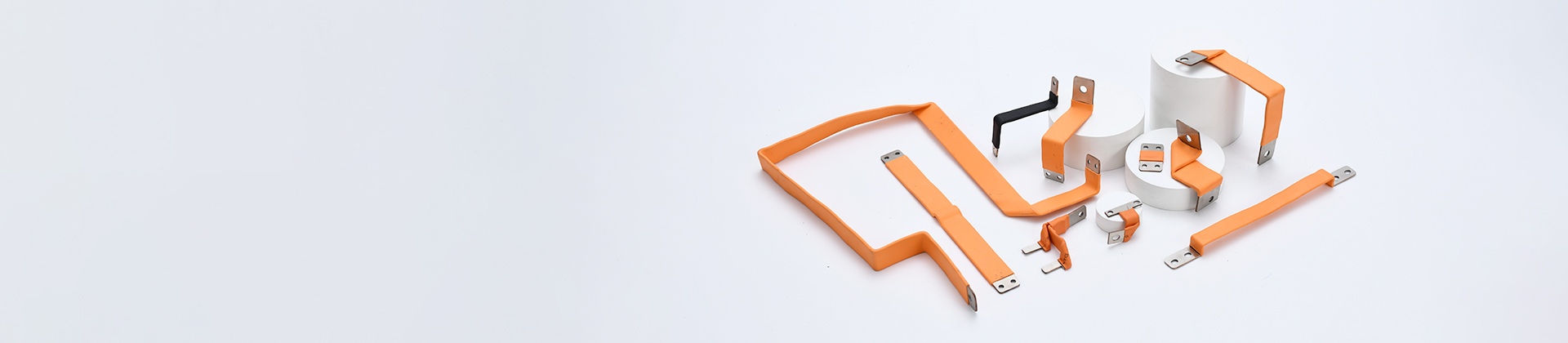
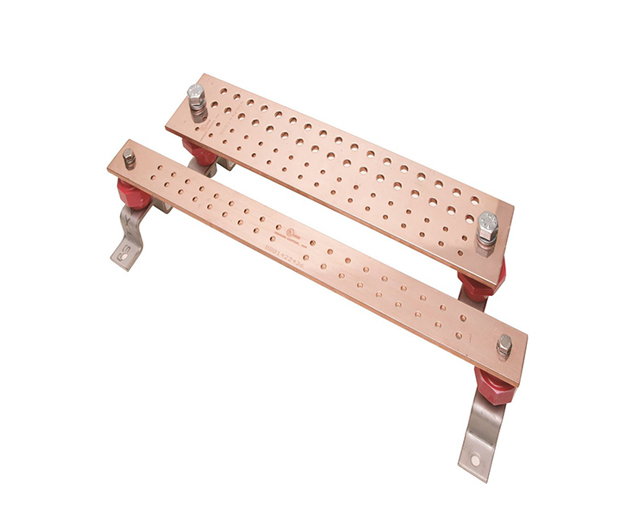
In modern electrical systems, efficient and stable power transmission is essential. A Powerbar Busbar is a high-performance conductor designed to carry and distribute large electrical currents safely and efficiently. As an advanced Power Busbar solution, it plays a critical role in busbar power distribution systems used in switchgear, control panels, industrial equipment, and energy infrastructure.
Compared with traditional cable wiring, a power distribution busbar provides higher current capacity, improved safety, and a more compact electrical layout. With excellent conductivity and robust insulation protection, the electrical power busbar is widely used in industrial automation, renewable energy systems, EV charging stations, and data centers.
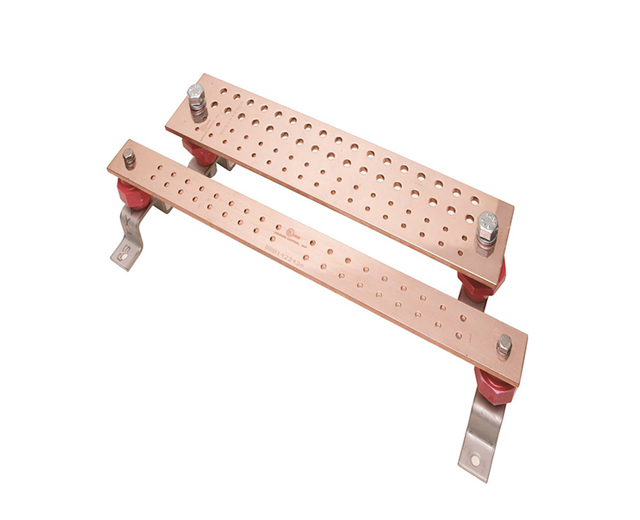
If you are wondering what is a power busbar, it is essentially a solid conductor that distributes electricity within a power system. Instead of using multiple cables, a power supply busbar acts as a central conductor that connects multiple circuits and distributes power efficiently.
Typically made from copper or aluminum, a high current busbar can handle significantly larger current loads than conventional wiring. This makes it ideal for high-power applications where stability and efficiency are critical.
The most common types include:
Copper power busbar – Known for excellent conductivity and reliability
Aluminum power busbar – Lightweight and cost-effective for large installations
Tin plated copper busbar – Provides corrosion resistance and better electrical contact
Nickel plated busbar – Suitable for high-temperature or harsh environments
Insulated power busbar – Coated with protective insulation for safety
Flexible copper busbar – Designed for applications requiring vibration resistance or flexible installation
These variations allow engineers to select the most suitable solution for different electrical environments.
Understanding how does a power busbar work helps explain its importance in electrical systems.
A power distribution busbar works by acting as a centralized electrical conductor that collects incoming power and distributes it to multiple outgoing circuits. Instead of routing separate cables for every connection, the industrial power busbar provides a shared conductive pathway that simplifies system design.
The operating process generally involves:
Power Input – Electricity enters the system through the main power source.
Busbar Distribution – The electrical power busbar carries the current across the panel or cabinet.
Branch Connections – Multiple circuits tap into the busbar through terminals or connectors.
Power Delivery – Electricity is delivered efficiently to connected equipment.
Because the high current busbar has a large conductive cross-section, it reduces resistance and heat buildup, improving overall power system efficiency.
The production of a Powerbar Busbar involves precise engineering and strict quality control to meet international electrical safety standards.
1. Material Preparation
High-quality oxygen-free copper or tinned copper is selected to guarantee excellent conductivity and corrosion resistance.
2. Cutting and Forming
Advanced CNC machining technology is used to cut, punch, and bend copper sheets into precise dimensions, ensuring perfect alignment and uniform cross-sections.
3. Surface Treatment
The copper is then tin-plated, nickel-plated, or silver-coated to enhance oxidation resistance and reduce electrical contact resistance.
4. Insulation Application
A protective layer such as PVC insulation, heat shrink tubing, or silicone coating is applied to ensure dielectric strength, fire resistance, and mechanical durability.
5. Quality Inspection
Each Powerbar Busbar undergoes electrical resistance, insulation voltage, temperature rise, and mechanical strength tests to meet UL, RoHS, and IEC standards.
Powerbar Busbars serve critical roles in many sectors, including:
Industrial Power Distribution Cabinets
Renewable Energy Systems (Solar, Wind)
Electric Vehicle (EV) Charging Stations
Data Centers and Telecommunication Hubs
Heavy Machinery and Manufacturing Plants
Energy Storage Systems (ESS)
G and N Fortune Limited designs and manufactures high-precision Powerbar Busbars optimized for industrial and renewable applications.
Exceptional Electrical Conductivity — Made from high-purity copper for minimal power loss.
Flame-Retardant Insulation — Certified PVC or heat-shrink coatings provide superior fire safety.
High Mechanical Strength — Excellent resistance to vibration, bending, and thermal cycling.
Customizable Designs — Available in various widths, thicknesses, and hole configurations.
Excellent Thermal Management — Supports high current densities and dissipates heat effectively.
Global Compliance — Fully meets UL, RoHS, and IEC standards for safety and environmental protection.
A well-designed Powerbar Busbar ensures efficiency, safety, and long service life.
Key design parameters include:
Current-Carrying Capacity — Determining the optimal copper cross-section based on load requirements.
Hole Positioning — Designing mounting and terminal holes for easy integration with switchgear.
Insulation Selection — Choosing proper insulation based on voltage, temperature, and environmental exposure.
Thermal Expansion Compensation — Ensuring structural flexibility to prevent stress under temperature variations.
Installation Flexibility — Supporting both rigid and flexible configurations as per the system layout.
G and N Fortune Limited provides full customization services including:
Custom lengths, widths, and thicknesses.
Precise CNC-machined hole patterns and terminal shapes.
Choice of insulation: PVC, heat shrink tubing, or silicone sleeves.
Surface finishes: tin plating, nickel plating, or bare copper.
Support for prototypes and mass production with strict quality control.
G and N Fortune Limited specializes in manufacturing high-quality power busbar solutions for global customers.
Key advantages include:
Over 15 years of manufacturing expertise
High-precision CNC machining technology
Custom design capability for complex power distribution busbar systems
Strict quality control and international certification
Reliable supply for large-scale industrial projects
Competitive pricing and global logistics support
Whether you need a copper power busbar, aluminum power busbar, or flexible copper busbar, G and N Fortune Limited can provide a reliable solution tailored to your application.
1. What materials are used in Powerbar Busbars?
Oxygen-free copper, tinned copper, or copper alloy conductors with PVC or heat shrink insulation.
2. What are common applications?
Industrial power systems, renewable energy, EV charging, data centers, and manufacturing plants.
3. Can Powerbar Busbars be customized?
Yes — we provide custom dimensions, hole layouts, insulation types, and surface finishes.
4. What current ratings are available?
Up to several thousand amperes, depending on cross-sectional area and cooling design.
5. Are they certified?
Yes, G and N Fortune Limited Powerbar Busbars comply with UL, RoHS, and IEC standards.
6. What is the production lead time?
Samples: 5–7 days; Mass orders: 10–15 working days depending on complexity.
7. How to install Powerbar Busbars safely?
Ensure proper alignment, avoid sharp bends, torque fasteners correctly, and protect insulation during installation.

Copyright © 2026 G AND N FORTUNE LIMITED All rights reserved.