


 English

Flexible Copper Busbar
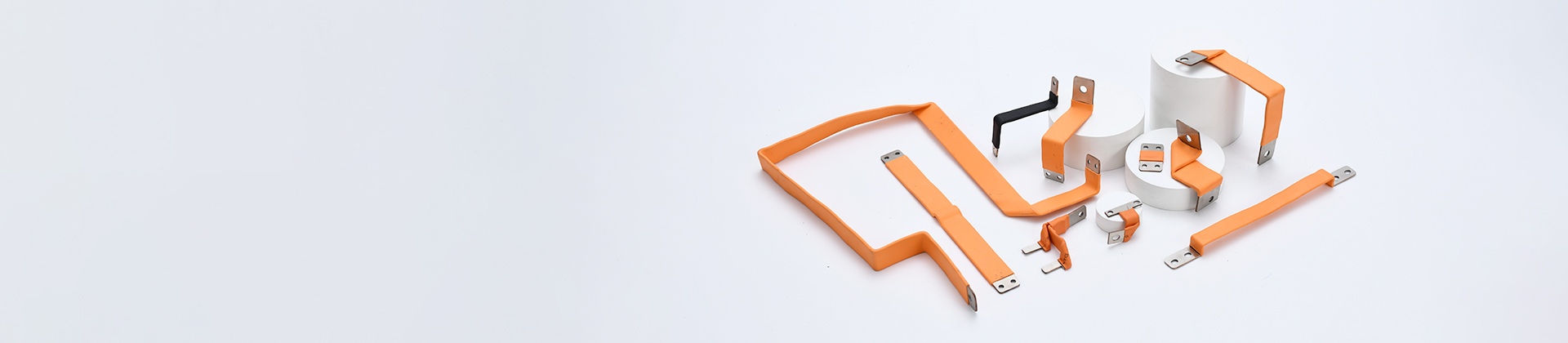
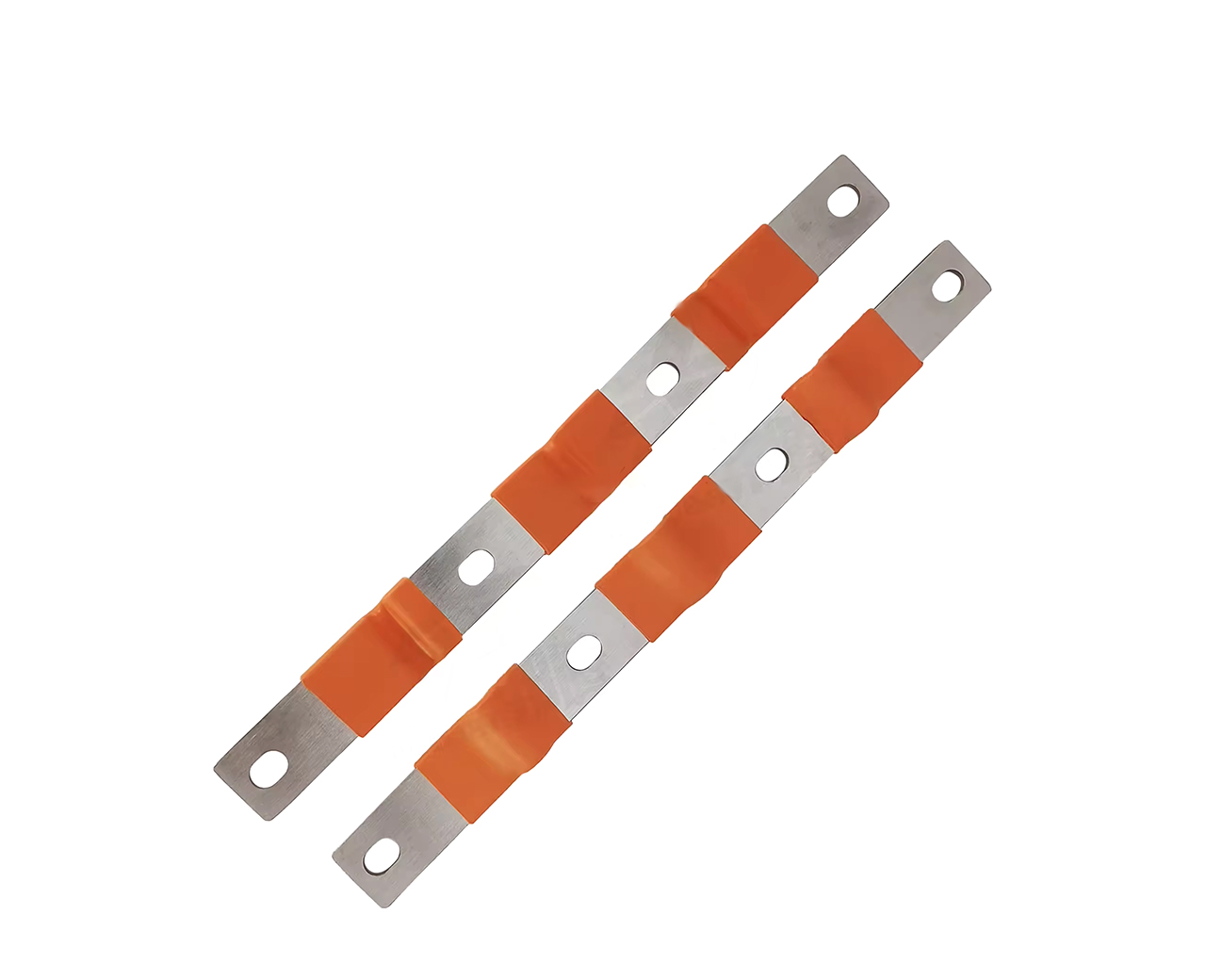
A bus bar electrical system is a fundamental component used to distribute electrical power efficiently across multiple circuits. It acts as a centralized conductor that collects and distributes electricity from incoming feeders to outgoing circuits, ensuring stable and reliable power transmission.
Bus bars are widely used in power distribution systems, industrial equipment, switchgear, substations, and renewable energy installations due to their high efficiency, compact structure, and ability to handle large current loads.
An electrical bus bar is a metallic strip or bar, typically made of copper or aluminum, designed to conduct and distribute electricity within a system. It replaces multiple individual cables with a single organized conductive structure.
Bus bars are commonly found in:
Electrical distribution panels
Switchgear assemblies
Power substations
Battery energy storage systems
Industrial control cabinets
Renewable energy systems
A bus bar electrical system functions as a central node for current distribution:
Electricity enters from a power source (transformer, generator, or battery system)
The bus bar distributes current across connected circuits
Outgoing feeders draw power from the bus bar to end equipment
This structure reduces wiring complexity and improves system reliability.
Bus bars are designed to handle large electrical loads more efficiently than traditional wiring systems.
Due to low resistance materials like copper and aluminum, bus bars reduce energy loss during transmission.
Bus bars simplify electrical layouts, saving significant installation space in control panels and switchgear.
Fewer cable connections reduce the risk of overheating, loose connections, and electrical faults.
Bus bar systems are easier to inspect, maintain, and expand compared to complex cable networks.
Copper is the most widely used material due to:
Excellent conductivity
High thermal performance
Long service life
Aluminum is used when weight and cost are important:
Lightweight
Cost-effective
Good conductivity-to-weight ratio
Solid metal bars used in switchgear and distribution panels.
Multi-layer structures designed for low inductance and high-performance applications such as EVs and inverters.
Braided or laminated flexible conductors used where vibration or movement exists.
Hollow copper conductors used in substations and high-voltage systems.
Used in electrical panels and distribution boards for stable power routing.
Provides structured and safe current distribution.
Used in solar inverters, wind farms, and energy storage systems.
Applied in EV battery packs and power modules.
Supports high-current machinery and automation systems.
| Feature | Copper Bus Bar | Aluminum Bus Bar |
|---|---|---|
| Conductivity | Higher | Moderate |
| Weight | Heavier | Lighter |
| Cost | Higher | Lower |
| Durability | Excellent | Good |
| Applications | High-end systems | Cost-sensitive systems |
Custom bus bars can be designed based on:
Current rating requirements
System layout and space constraints
Material selection (copper or aluminum)
Surface treatment (tin, nickel, silver plating)
Hole patterns and mounting design
Insulation and safety requirements
Modern electrical systems require:
Higher efficiency
Compact designs
Stable power distribution
Reduced energy loss
Bus bar electrical systems meet these demands better than traditional wiring, making them essential in modern power infrastructure.
A bus bar electrical system is a critical component in modern power distribution, offering high efficiency, reliability, and compact design. Whether used in industrial equipment, switchgear, renewable energy systems, or EV applications, electrical bus bars ensure safe and stable current distribution across all types of electrical networks.

Copyright © 2026 G AND N FORTUNE LIMITED All rights reserved.