


 English

Flexible Copper Busbar
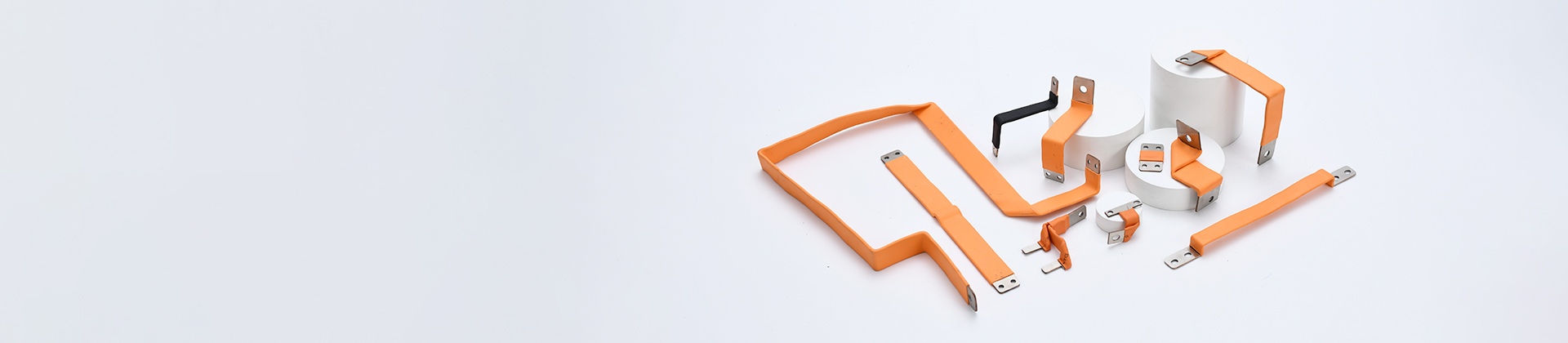
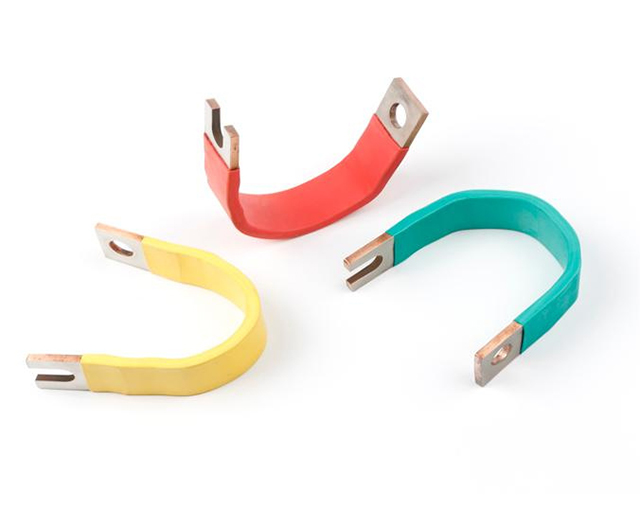
In modern electrical and energy systems, efficient and safe connections are critical. The busbar connector is an essential component for linking electrical bus bar connections, ensuring stable power flow, low resistance, and high current capacity. From industrial switchgear to battery systems, busbar connectors provide reliable solutions for power distribution and electrical integration.
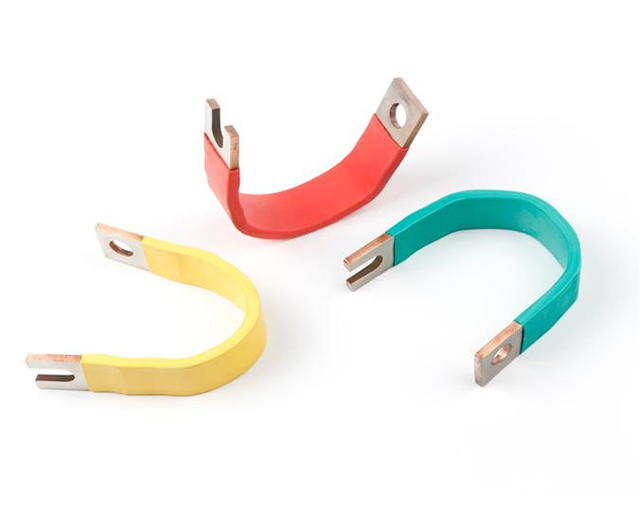
A busbar connector is a device used to join one or multiple busbars together, creating a secure electrical bus bar connection. It can accommodate rigid or flexible braided Copper Busbar, depending on system requirements. Busbar connectors are designed to handle high currents and ensure stable electrical performance in demanding applications.
Key types include:
Battery busbar connector – used to link battery modules or cells in series/parallel
High current busbar connectors – designed for industrial and high-power systems
Bus bar connector 12V – for low-voltage battery applications
Bus bar type connector – standardized for various busbar sizes and types
Why choose busbar connectors over traditional wiring or loose connections?
Low contact resistance for efficient power distribution
Supports high current busbar connectors and heavy-duty applications
Stable battery bus bar connections and reduced voltage drop
Secure mechanical fastening reduces vibration and loosening
Supports flexible busbar connectors to accommodate thermal expansion or movement
Compact and organized design simplifies assembly
High-quality materials resist corrosion and oxidation
Insulated versions reduce risk of accidental short circuits
Compatible with Copper Bus Bar connectors and various conductive metals
Copper Bus Bar Connectors – excellent electrical conductivity and low resistance
Flexible Braided Copper Busbar Connections – ideal for battery systems and high-vibration applications
Plating options: tin, nickel, or silver for corrosion resistance and improved performance
Insulation options for enhanced safety in electrical bus bar connectors
| Parameter | Specification Range |
|---|---|
| Rated Current | 50A – 5000A (application dependent) |
| Voltage Rating | 12V – 1000V |
| Material | Copper / Flexible braided copper / Aluminum |
| Surface Treatment | Tin / Nickel / Silver plating |
| Connector Type | Bolt-on, clamp, flexible braided, custom |
| Busbar Thickness Compatibility | 0.5mm – 10mm |
| Temperature Rating | -40°C to +125°C |
Busbar connectors are widely used in:
Battery systems: battery bus bar connector, battery bus bar connections, EV modules
Power electronics and inverters: busbar power connector, industrial UPS systems
Electrical panels and switchgear: electrical bus bar connector, connector bus bar
Automotive and low-voltage applications: bus bar connector 12V
Flexible layouts: busbar flexible connectors, flexible busbar connectors for vibration-prone environments
Ensure proper torque on all connections to maintain low resistance
Verify compatibility with busbar thickness and type (bus bar type connector)
Avoid sharp bends or mechanical stress on flexible braided copper busbar connections
Inspect periodically for corrosion or loosening, especially in battery systems
Compared with other suppliers, our busbar connectors offer:
Optimized design for high current busbar connectors and flexible busbar connectors
Wide compatibility with copper bus bar connectors and various busbar sizes
High-quality plating and insulation for corrosion resistance
Custom solutions for battery bus bar connectors, industrial applications, and EV modules
Reliable performance, tested for continuous high-current operation
Q1: What is the difference between a busbar connector and a braided busbar?
A: A busbar connector joins busbars together, while a flexible braided copper busbar itself acts as a flexible conductor. Connectors can attach rigid or flexible busbars securely.
Q2: Can I use busbar connectors for 12V battery systems?
A: Yes, our bus bar connector 12V is designed for low-voltage battery connections and EV applications.
Q3: Are busbar connectors compatible with flexible busbars?
A: Absolutely, we offer busbar flexible connectors compatible with flexible braided copper busbar systems.
Q4: How do I maintain busbar connectors?
A: Check torque, inspect for corrosion, and ensure no mechanical stress on flexible connections. Proper maintenance ensures stable electrical bus bar connections.

Copyright © 2026 G AND N FORTUNE LIMITED All rights reserved.