


 English

Flexible Copper Busbar
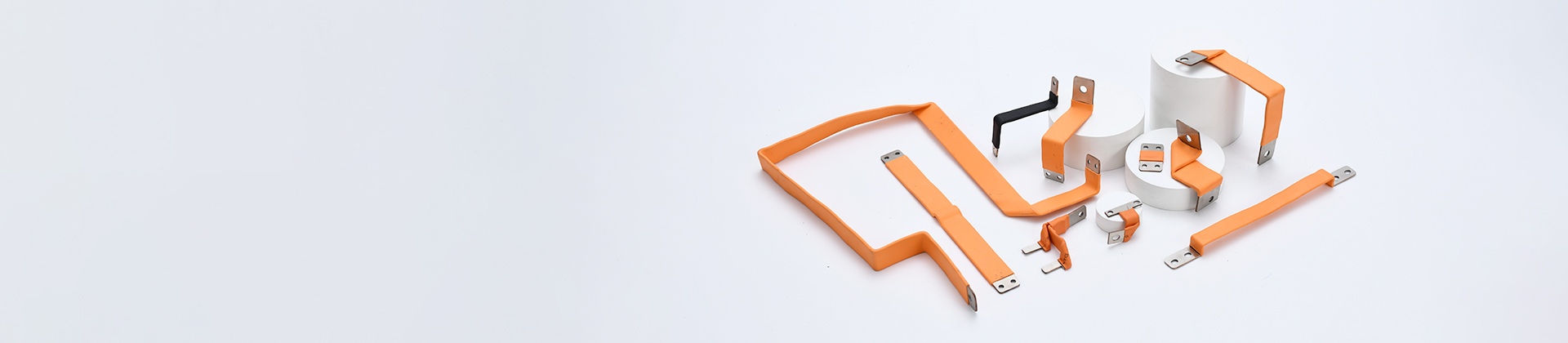
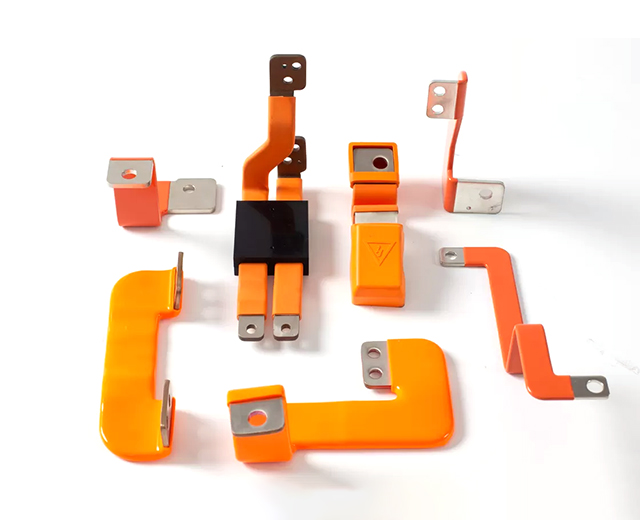
An electric busbar is a critical component in modern electrical power distribution systems. Designed to efficiently collect and distribute electrical current, a busbar system provides a safe, compact, and low-resistance alternative to traditional cable wiring. Electric busbars are widely used in electrical panels, battery systems, industrial equipment, EVs, and energy storage systems.
As a professional manufacturer, we supply custom busbars, including Copper Busbar, aluminium busbar, laminated copper busbar, and insulated Flexible Busbar, engineered for high-current and long-term reliability.
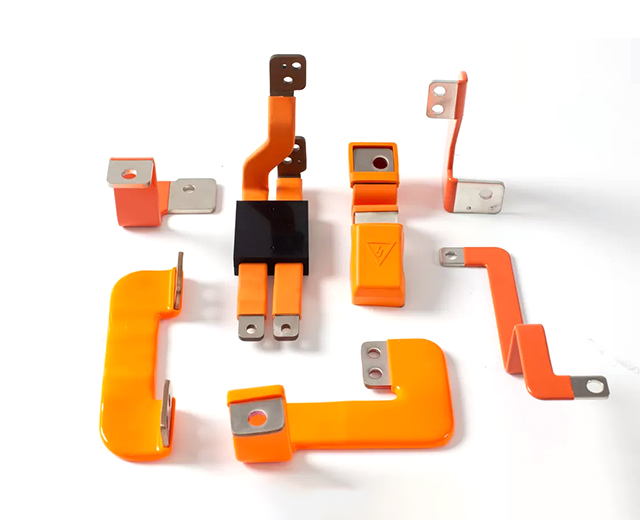
An electric busbar (electrical bus bar) is a rigid or flexible metallic conductor—typically made from copper or aluminum—used to distribute electrical power within an electrical busbar system.
Compared with cables, a bus bar electric solution offers:
Lower electrical resistance
Higher current capacity
Better heat dissipation
Cleaner and more reliable electrical connections
Electric busbars are the backbone of bus bar electrical designs in switchgear, electrical panels, and battery assemblies.
The production of a copper electrical busbar or aluminium busbar typically follows these steps:
Material Selection
High-conductivity copper (C1100/C1020) or aluminum (6101/6063).
Cutting & Forming
Precision cutting, bending, punching, or CNC machining based on drawings.
Surface Treatment
Tin plating, silver plating, nickel plating, or insulation coating to improve conductivity and corrosion resistance.
Lamination & Insulation (Optional)
For laminated copper busbar or Insulated Copper Busbar, conductive layers are bonded with insulation films to reduce inductance.
Quality Inspection
Dimensional inspection, conductivity testing, and current-load verification.
This process ensures each busbar electrical product meets IEC, UL, or customer-specific standards.
Compared with ordinary suppliers, our electrical bus bar solutions offer clear competitive advantages:
High-purity copper ensures ultra-low resistance
Stable performance under high current loads
Custom busbars based on drawings or samples
Support for complex shapes and tight tolerances
Insulated copper busbar and insulated Flexible Busbar options
Improved safety and compact system design
Excellent thermal stability
Corrosion-resistant surface treatments
Strict dimensional and electrical inspections
Batch traceability and quality records
| Material Type | Features | Typical Applications |
|---|---|---|
| Copper Busbar | High conductivity, compact size | Electrical panels, EVs |
| Aluminium Busbar | Lightweight, cost-effective | Power distribution |
| Laminated Copper Busbar | Low inductance, low EMI | Inverters, UPS |
| Insulated Copper Busbar | Enhanced safety | Electrical cabinets |
| Insulated Flexible Busbar | Vibration resistance | Battery busbar systems |
| Parameter | Standard Range |
|---|---|
| Thickness | 1 mm – 20 mm |
| Width | 10 mm – 200 mm |
| Current Capacity | 50 A – 6000 A |
| Material | Copper / Aluminum |
| Surface Treatment | Tin / Silver / Nickel |
| Insulation | PVC / PET / Epoxy |
| Custom Design | Supported |
Specifications can be fully customized for custom copper busbar projects.
Electric busbars are widely used in:
Electrical Panel Bus Bar systems
Bus Bar in Electrical Panel assemblies
Battery busbar for EV and energy storage
Electrical busbar system in switchgear
Industrial power distribution equipment
Renewable energy and UPS systems
They ensure efficient, stable, and safe power flow in demanding environments.
Ensure proper torque on connection points
Maintain clean contact surfaces
Avoid excessive bending stress
Periodically check fasteners
Inspect insulation integrity
Monitor temperature rise under load
Proper installation and maintenance extend the service life of bus bar electric systems.
Compared with other suppliers, we offer:
In-house custom busbar manufacturing
Engineering support from design to mass production
Stable lead times and bulk supply capability
Competitive pricing for B2B buyers
Experience in busbar electrical solutions for global markets
We are not just a supplier—we are your power distribution solution partner.
Q1: What is the difference between a busbar and a cable?
A busbar carries higher current with lower resistance and better heat dissipation than cables.
Q2: Can you provide custom busbars?
Yes, we specialize in custom copper busbar and aluminum designs.
Q3: Are insulated busbars safer?
Yes, insulated copper busbars reduce short-circuit risk and improve system safety.
Q4: Do you support battery busbar projects?
Absolutely. We supply battery busbar solutions for EVs and energy storage systems.

Copyright © 2026 G AND N FORTUNE LIMITED All rights reserved.