


 English

Flexible Copper Busbar
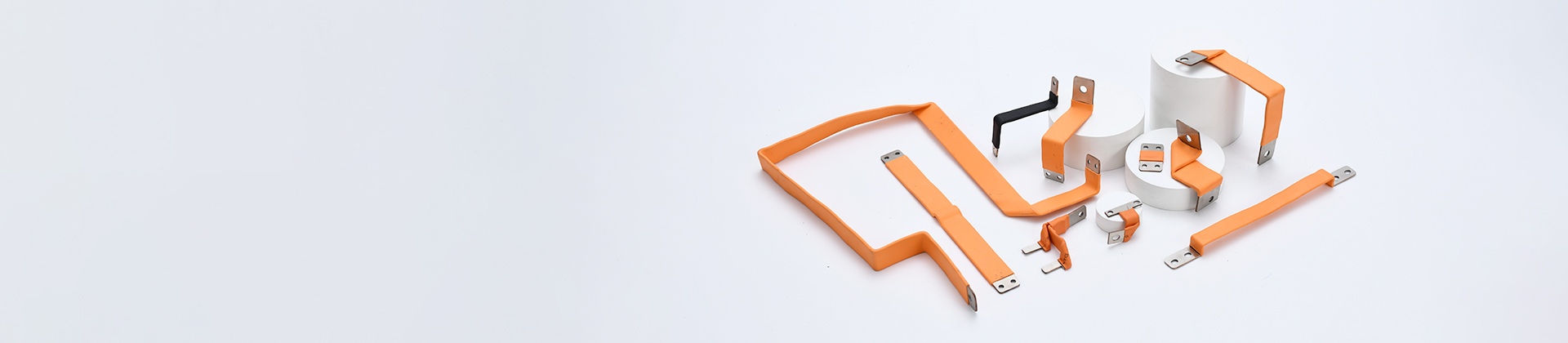
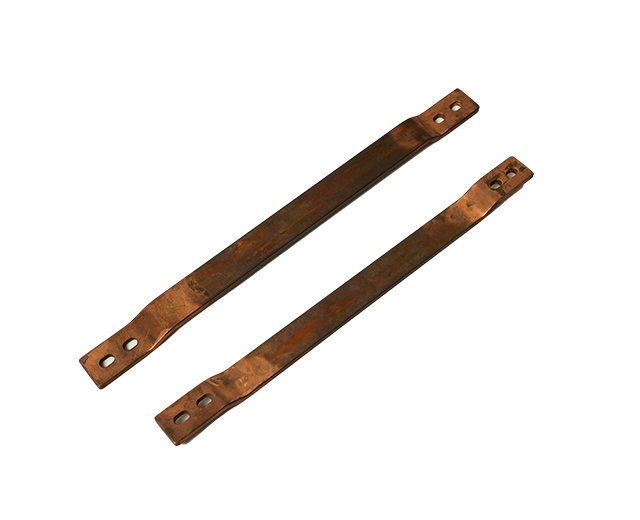
A High Voltage Bus Bar is a critical electrical conductor designed to transmit and distribute large amounts of electrical power efficiently within modern power systems. Compared with traditional cables, a high voltage busbar offers lower resistance, higher current-carrying capacity, improved heat dissipation, and a more compact installation design.
Widely used in electric vehicles, Energy Storage Systems, photovoltaic installations, substations, and industrial power distribution networks, the bus bar serves as a reliable solution for high-current and high voltage applications.
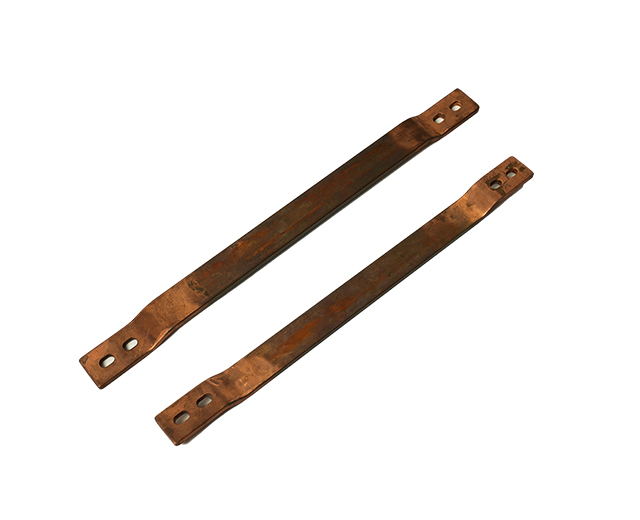
Many customers ask, "What does a bus bar do for the electrical system?"
A bus bar acts as a centralized conductor that collects and distributes electrical power between various components. Instead of using multiple cables, a busbar high voltage system provides a streamlined and efficient electrical connection, reducing power losses and improving overall system reliability.
Key functions include:
Conducting electrical current between devices
Distributing power to multiple circuits
Reducing voltage drop and energy loss
Improving electrical system safety
Optimizing space utilization
A typical hv busbar consists of the following components:
Aluminium Tubular Busbars for HV Substations
Copper provides excellent conductivity, while aluminum offers a lightweight and cost-effective alternative for large-scale installations.
For safe operation under high voltage conditions, insulation materials may include:
PVC
PET
Epoxy Resin
Powder Coating
High Voltage Busbar Insulation Tape
The use of high voltage busbar insulation tape helps improve electrical insulation performance and protects against environmental influences.
Bolted Connections
Laser Welding
Crimped Connections
The working principle of a high voltage bus bar is straightforward.
Electrical energy generated by a power source such as a battery pack, transformer, inverter, or generator flows through the hv busbar and is delivered to connected equipment with minimal energy loss.
Example in an Electric Vehicle:
Battery Pack → High Voltage Busbar → Inverter → Motor
The high voltage busbar efficiently transfers hundreds of volts and hundreds of amperes while maintaining excellent thermal and electrical performance.
Battery pack connections
Motor controller connections
Charging system connections
Battery module interconnections
PCS connections
Power distribution units
PV combiner boxes
Solar inverters
Distribution cabinets
Aluminium tubular busbars for HV substations
Switchgear systems
Transformer connections
Electrical panels
Distribution boards
Power control centers
In large-scale electrical installations, a high voltage bus duct is often used alongside busbars to provide enclosed and protected power transmission.
Benefits of a high voltage bus duct include:
Enhanced safety
Reduced maintenance requirements
Better environmental protection
Efficient power transmission over long distances
These systems are commonly found in power plants, substations, data centers, and industrial facilities.
Designed to handle hundreds or even thousands of amperes.
Reduces power losses and improves energy efficiency.
Occupies less installation space than conventional cable systems.
Improves thermal management and system stability.
With proper insulation and protection, the risk of overheating and short circuits is significantly reduced.
High-quality materials ensure reliable performance under demanding operating conditions.
Our high voltage busbar solutions are suitable for various voltage levels, including:
400V Systems
600V Systems
800V EV Platforms
1000V DC Systems
1500V Solar Systems
Custom designs are available to meet specific project requirements.
As a professional manufacturer of high voltage bus bar products, we provide:
Custom-engineered busbar designs
Copper and aluminum conductor options
Advanced insulation solutions
Precision fabrication and quality control
Support for EV, ESS, solar, industrial, and substation applications
Whether you require a compact busbar high voltage assembly, a robust high voltage bus duct, or aluminium tubular busbars for HV substations, our solutions deliver reliable electrical performance and long-term operational safety.
A High Voltage Bus Bar is an essential component in modern electrical infrastructure, providing efficient and reliable power transmission for demanding high voltage applications. With advantages such as high current capacity, low resistance, compact design, and enhanced safety, the hv busbar has become the preferred choice for electric vehicles, renewable energy systems, substations, and industrial power distribution networks. By integrating advanced insulation technologies such as high voltage busbar insulation tape and engineered high voltage bus duct systems, high-performance power distribution can be achieved with maximum efficiency and reliability.
A high voltage bus bar is a conductive component used to transmit and distribute electrical power in high-voltage systems. It is typically made from copper or aluminum and is widely used in EVs, energy storage systems, substations, and industrial power distribution equipment.
A bus bar serves as a central conductor that distributes electrical power between different circuits and equipment. It reduces wiring complexity, improves efficiency, minimizes voltage drop, and enhances overall system reliability.
Most high voltage busbars are made from:
Copper
Aluminum
Aluminium tubular busbars for HV substations
The material selection depends on conductivity requirements, weight considerations, and installation conditions.
A bus bar offers lower electrical resistance, higher current-carrying capacity, better heat dissipation, and a more compact installation compared to traditional cables. Busbars are often preferred for high-current and high-voltage applications.
HV busbar systems are commonly used in:
Electric vehicles (EVs)
Battery energy storage systems (BESS)
Solar power systems
High-voltage substations
Industrial distribution panels
Switchgear and transformer systems
A high voltage bus duct is an enclosed power distribution system that houses busbars within a protective casing. It provides safe and efficient power transmission while protecting the conductors from environmental and mechanical damage.
Proper insulation prevents electrical leakage, short circuits, and accidental contact. Materials such as epoxy coatings, PET films, and high voltage busbar insulation tape help ensure safe operation in demanding electrical environments.
High voltage busbar insulation tape is used to improve electrical insulation, increase dielectric strength, and protect busbars from moisture, dust, and environmental contaminants. It also enhances operational safety and reliability.

Copyright © 2026 G AND N FORTUNE LIMITED All rights reserved.