


 English

Flexible Copper Busbar
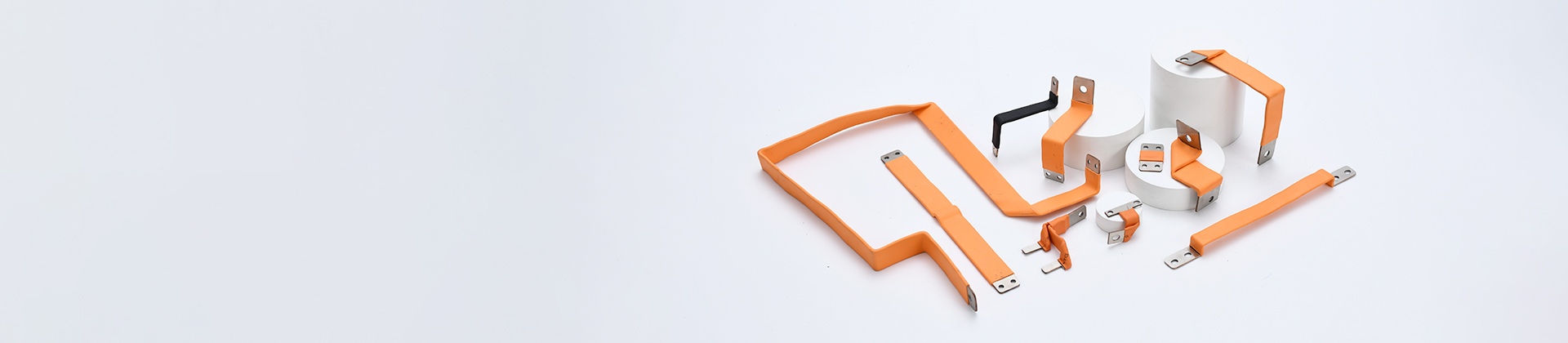
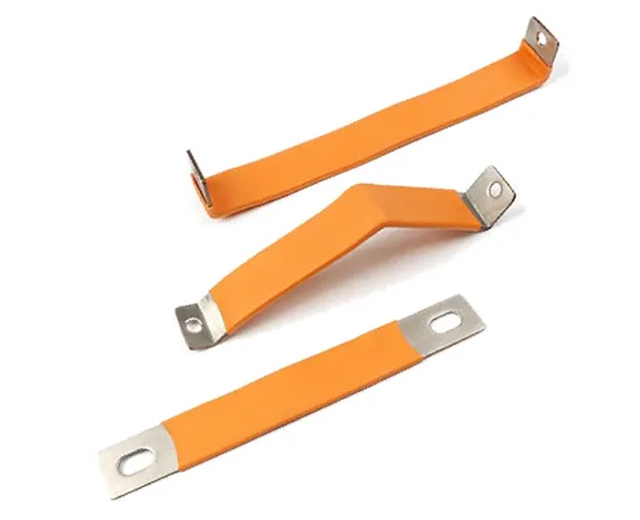
In modern electrical and power electronics systems, efficient, compact, and reliable power distribution is critical. The Laminated Busbar has become a preferred solution for applications requiring high current, low inductance, and superior thermal performance. Compared with traditional cables or braided Busbar solutions, laminated Busbars offer enhanced electrical efficiency, improved system reliability, and optimized space utilization.
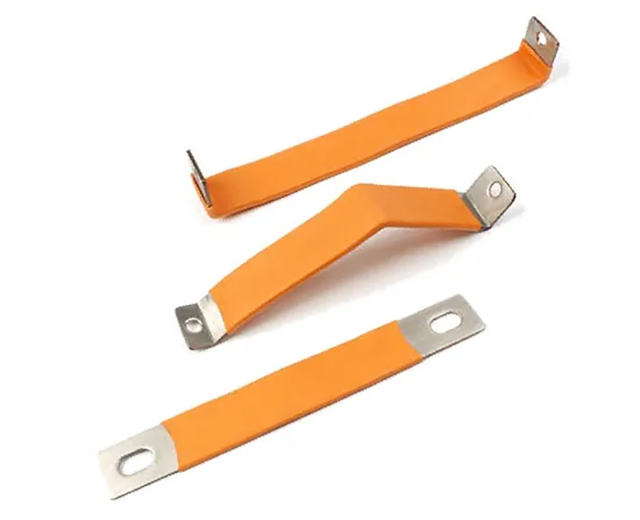
A Laminated Busbar is a power distribution conductor composed of multiple layers of copper or aluminum conductors laminated together with insulating materials. The layers are precisely aligned to minimize loop area, resulting in low inductance, low impedance, and excellent current-carrying capability.
In many high-power applications, a laminated copper busbar replaces traditional cables or braided busbar assemblies, delivering higher efficiency and a more compact design.
Compared with solid busbars or braided conductors:
Laminated busbars reduce parasitic inductance
Provide better heat dissipation
Improve electrical stability at high frequency
Enable compact and integrated system layouts
This makes them ideal for modern power electronics and energy systems.
A professional laminated bus bar design follows precise electrical and mechanical principles.
Material Selection
High-purity copper or aluminum sheets are selected based on current and thermal requirements.
Precision Cutting & Punching
Conductive layers are cut and punched according to custom drawings.
Insulation Layer Lamination
Insulation films (such as PET, PI, or epoxy-coated materials) are layered between conductors.
Thermal Press Lamination
Layers are bonded under heat and pressure to ensure mechanical strength and electrical insulation.
Surface Treatment
Copper layers may receive tin, nickel, or silver plating for enhanced performance.
Final Inspection & Testing
Electrical resistance, insulation strength, and dimensional accuracy are tested.
This process ensures a reliable and high-performance laminated flexible busbar or rigid laminated structure.
Low inductance & low impedance
Reduced voltage drop
Improved switching performance
Even current distribution
Better heat dissipation
Reduced vibration stress compared to braided busbar
Compact system layout
Customized shapes and terminals
Simplified assembly and wiring
Compared with many standard suppliers, our laminated busbars offer:
Optimized laminated bus bar design for high-frequency and high-current systems
Consistent insulation thickness and bonding strength
Precision tolerances for automated assembly
Support for laminated flexible busbar and complex 3D structures
Full customization from prototype to mass production
Copper (C1100 / T2 / ETP Copper) – preferred for high conductivity
Aluminum – lightweight alternative for large systems
PET film
Polyimide (PI)
Epoxy resin coatings
Nomex or equivalent high-temperature insulation
Tin plated copper
Nickel plated copper
Silver plated copper
| Parameter | Specification Range |
|---|---|
| Thickness (single layer) | 0.2 – 3.0 mm |
| Total laminated thickness | Up to 20 mm (custom) |
| Width | 10 – 200 mm |
| Current Capacity | Up to 5000 A (application dependent) |
| Insulation Voltage | Up to 3000 V |
| Surface Treatment | Tin / Nickel / Silver plated |
| Structure | Rigid or laminated flexible busbar |
All parameters can be customized based on project requirements.
Laminated busbars are widely used in:
Power inverters and converters
EV and hybrid vehicle power systems
Battery energy storage systems (ESS)
UPS and data center power distribution
Renewable energy systems (solar & wind)
Industrial motor drives and automation equipment
In many of these systems, laminated busbars outperform traditional braided busbar solutions.
Ensure correct torque on connection points
Avoid sharp bending beyond design limits
Verify insulation clearance before power-up
Periodically check fastening points
Inspect insulation for damage
Keep busbars clean and dry
Proper installation ensures long service life and stable performance.
Experienced engineering team for optimized laminated bus bar design
Full customization support (shape, current, insulation, plating)
Stable quality control for B2B mass production
Fast prototyping & delivery
Long-term cooperation mindset for global customers
We help customers reduce system losses, simplify assembly, and improve overall power efficiency.
Q1: What is the difference between laminated busbars and braided busbar?
A: Laminated busbars offer lower inductance, better heat dissipation, and a more compact design than braided busbar solutions.
Q2: Are laminated busbars flexible?
A: Yes, laminated flexible busbar designs are available to absorb vibration and thermal expansion.
Q3: Can you provide custom laminated copper busbar designs?
A: Yes, we specialize in custom laminated copper busbar solutions based on drawings or application requirements.
Q4: What industries commonly use laminated busbars?
A: EV, energy storage, power electronics, UPS systems, and renewable energy industries.

Copyright © 2026 G AND N FORTUNE LIMITED All rights reserved.