


 English

Flexible Copper Busbar
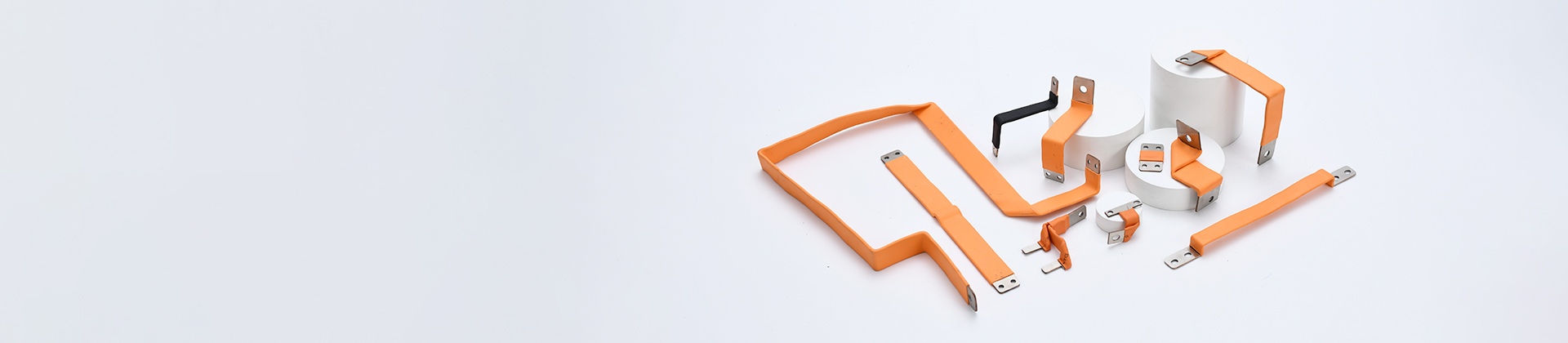
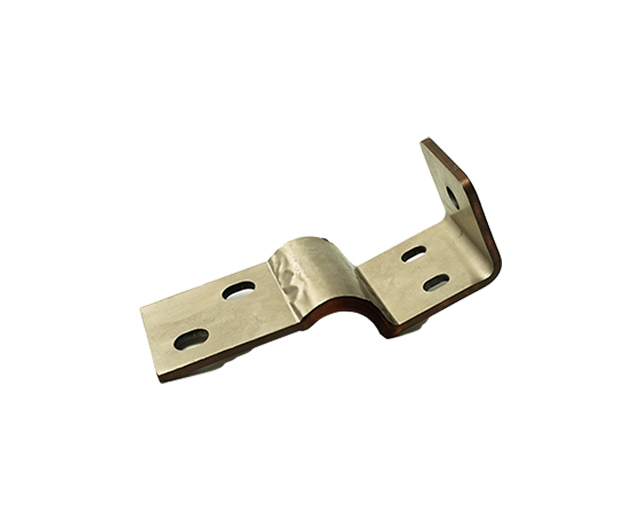
A Laminated Copper Bus Bar is a high-performance electrical conductor made by laminating multiple layers of copper foils with insulating materials under heat and pressure. Compared with traditional solid busbars, a laminated copper bus bar offers lower inductance, improved thermal performance, reduced electromagnetic interference (EMI), and a more compact design.
As modern electrical systems demand higher efficiency and power density, Laminated Busbar technology has become an ideal solution for electric vehicles, battery energy storage systems, power electronics, renewable energy systems, and industrial automation equipment.
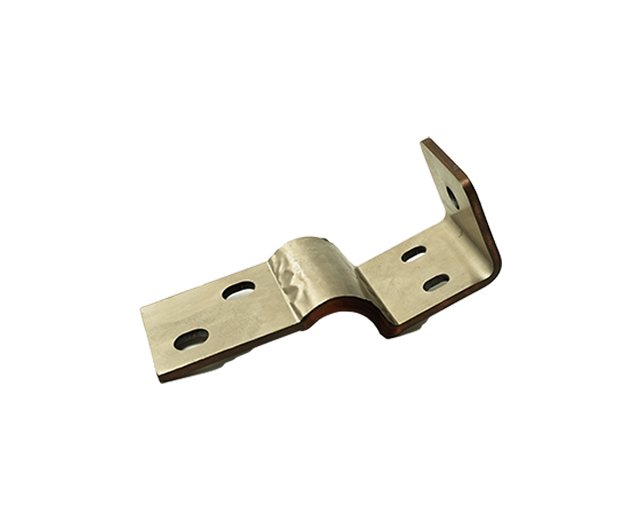
Many customers ask, "What is a laminated bus bar?"
A laminated bus bar is an engineered conductor assembly consisting of multiple copper or aluminum conductive layers separated by dielectric insulation materials. The conductive layers are laminated together to create a compact, low-inductance power distribution system.
Typical structure:
Copper Layer + Insulation Layer + Copper Layer + Insulation Layer
Common insulation materials include:
PET
Polyimide (PI)
Epoxy Resin
Nomex
This structure allows positive and negative conductors to be positioned close together, significantly reducing loop inductance and improving electrical performance.
Traditional cables and standard electrical copper bus bar systems generate parasitic inductance during high-frequency operation, which can result in:
Voltage spikes
Increased power loss
Electromagnetic interference (EMI)
Reduced system efficiency
A Laminated Copper BusBar minimizes these issues by closely stacking conductive layers.
Benefits include:
Reduced current loop area
Lower inductance
Improved power conversion efficiency
Enhanced system stability
Better electromagnetic compatibility
This makes laminated busbars particularly suitable for high-frequency power electronics and switching systems.
A Copper Laminated Busbar offers excellent conductivity and high current-carrying capacity for demanding electrical applications.
A Flexible Laminated Copper Busbar combines the benefits of low inductance with mechanical flexibility, making installation easier in complex equipment layouts.
A Copper Laminated Flexible Bus Bar is ideal for applications that require vibration resistance and dynamic movement compensation.
A Laminated Flexible Busbar can accommodate thermal expansion, assembly tolerances, and mechanical movement while maintaining reliable electrical performance.
Laminated Copper Insulated Busbars integrate insulation directly into the laminated structure, improving safety and reducing assembly complexity.
For lightweight applications, a Laminated Aluminum Busbar provides a cost-effective alternative while maintaining excellent electrical performance.
A Flexible Copper Busbar is widely used where vibration resistance and movement compensation are required.
Compared with rigid conductors, a flexible copper bus bar offers:
Easier installation
Better vibration absorption
Reduced mechanical stress
Improved durability
Many modern systems combine laminated technology with flexible conductors to create advanced laminated flexible busbar solutions.
Both braided busbar and laminated busbar technologies are used for flexible electrical connections.
Made from braided copper strands
Highly flexible
Suitable for vibration-heavy applications
Constructed from laminated copper foils
Lower inductance
Better electrical performance
More compact structure
For power electronics and EV applications, laminated bus bar solutions are often preferred due to their superior electrical characteristics.
Battery Packs
Battery Management Systems (BMS)
Power Distribution Units (PDU)
Motor Controllers
Battery Module Connections
PCS Systems
DC Power Distribution
IGBT Modules
MOSFET Systems
DC Link Capacitors
Solar Inverters
Wind Power Converters
EV Charging Stations
UPS Systems
Data Center Power Distribution
Backup Power Solutions
Customers often ask about the laminated busbar manufacturing process.
The production process typically includes:
Copper foil cutting
Stamping and forming
Surface plating (tin, nickel, or silver)
Insulation layer application
Thermal lamination
CNC machining
Electrical testing and quality inspection
Professional laminated busbar manufacturers use advanced equipment and strict quality control procedures to ensure consistent performance and reliability.
A common question is: "How thick is a laminated busbar?"
The thickness depends on:
Current carrying requirements
Number of conductive layers
Insulation thickness
Voltage rating
Application environment
Typical conductor thickness ranges from 0.1 mm to 3 mm per copper layer, while the overall laminated assembly may vary from a few millimeters to several centimeters depending on design specifications.
Custom thicknesses can be engineered to meet project requirements.
Reduces parasitic inductance and voltage spikes.
Supports high-power applications efficiently.
Saves valuable installation space.
Improves heat dissipation and system reliability.
Enhances electromagnetic compatibility.
Minimizes connection points and maintenance requirements.
Provides safe operation through insulated copper bus bar designs.
As experienced laminated busbar manufacturers, we provide:
Custom-engineered laminated busbar designs
Flexible and rigid configurations
Copper and aluminum conductor options
Advanced insulation systems
Precision CNC machining
Strict quality control
OEM and ODM manufacturing services
Whether you need a Flexible Laminated Copper Busbar, Copper Laminated Flexible Bus Bar, Laminated Copper Insulated Busbars, or a custom electrical copper bus bar, we can deliver solutions tailored to your application.
A Laminated Copper Bus Bar is an advanced power distribution solution designed to meet the growing demands of modern electrical systems. By combining multiple conductive layers with integrated insulation, Copper Laminated Busbar technology offers low inductance, improved efficiency, compact design, and superior reliability. From EVs and energy storage systems to renewable energy and industrial automation, laminated busbars provide the performance required for next-generation power electronics and electrical infrastructure.

Copyright © 2026 G AND N FORTUNE LIMITED All rights reserved.