


 English

Blog

2025-12-02 09:04:03
A 12V bus bar (also written as bus bar 12v, bus bars 12v, or 12v battery bus bar) is a conductive bar used to safely collect and distribute power in low-voltage electrical systems. It helps organize wiring, reduce resistance, and improve power stability in automotive, marine, solar, and industrial 12V setups.
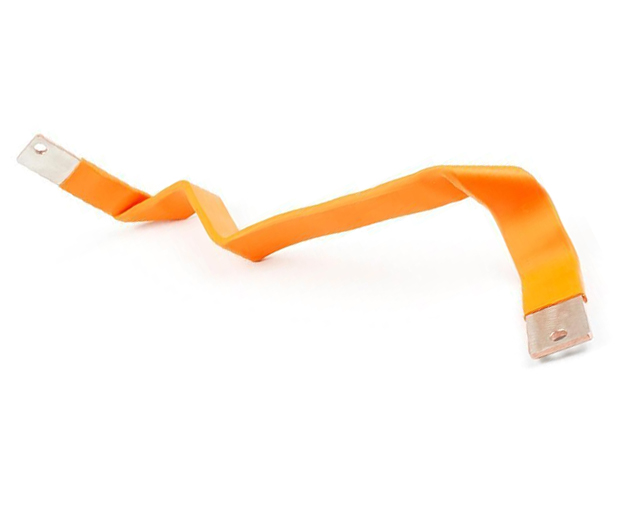
A 12V bus bar is a type of electrical bus bar designed to handle 12-volt DC power. It acts as a centralized connection point, allowing multiple devices or circuits to draw power from the same source without creating tangled or unsafe wiring.
A 12V bus bar may be made of:
Copper busbar – best conductivity
Aluminum Busbar – lightweight, cost-effective
Flexible Busbar – laminated or braided, used for vibration-heavy environments
Solid Busbar – rigid structure for stable installations
To manufacture a durable bus bar 12v, prepare the following materials:
Choose based on your performance and cost needs:
Copper Busbar
Best electrical conductivity
Ideal for high-current 12V systems (marine, RV, off-grid solar)
More affordable and lightweight
Suitable for moderate loads
Flexible Busbar
Copper braided strip or laminated foil
Used in mobile machinery, EVs, vibration-prone environments
Solid Busbar
Rigid copper or aluminum bar
For fixed installations or power distribution panels
Insulating base (PVC, bakelite, or fiberglass board)
Stainless steel bolts and nuts
Heat-shrink tubing
Drill & metal cutter
Sandpaper or polishing pad
Protective coating (anti-oxidation compound)
Labels or marking stickers
For example, if your 12V system uses 100A, ensure your 12v battery bus bar is sized accordingly.
Use the general formula:
Busbar Cross-Section (mm²) = Current (A) ÷ Permissible Current Density
Typical current density:
Copper: 1.2–1.6 A/mm²
Aluminum: 0.8–1.0 A/mm²
Follow the required length (usually 50–250 mm).
Ensure edges are smooth to avoid sharp cuts or hotspots.
Plan the number of circuits you will connect and drill evenly spaced holes.
For stable distribution:
Use M4–M8 bolts
Maintain equal spacing for neat wiring
Use sandpaper or a polishing wheel to:
Remove oxidation
Improve conductivity
Ensure stable contact with terminals
Use:
Tin-plating (optional)
Anti-oxidation conductive paste
Clear electrical varnish around edges
This helps prevent corrosion, especially on aluminum busbars.
Fasten the electrical bus bar onto a non-conductive base using screws.
This prevents accidental short circuits.
Secure all connection points and add heat-shrink insulation where necessary.
Use red/black labels for safety and troubleshooting.
Do not bend a solid busbar excessively—use a flexible busbar when needed.
Avoid mixing copper and aluminum terminals directly (use a transition pad).
Make sure the busbar is rated for the system’s maximum current.
Install a fuse between the power source and bus bar.
A professionally made 12v bus bar is widely used in:
Power distribution for lights, radios, inverters, DC chargers
Battery banks
Navigation equipment
12V motor control
Connecting charge controllers
Battery banks
Inverter DC distribution
Low-voltage DC panels
Control cabinets
UPS distribution
Lithium battery packs
Battery swapping stations
Battery management modules
Improved wiring organization
Lower resistance and less power loss
Stable voltage distribution
Higher safety and fewer loose connections
Supports multiple loads from a single source
Customizable using copper busbar, aluminum busbar, flexible busbar, or solid busbar

Copyright © 2026 G AND N FORTUNE LIMITED All rights reserved.