


 English

Blog

2025-12-02 09:23:41
A bus bar—also called an electrical bus bar—is a metal strip or bar used to distribute power efficiently within electrical systems. Whether made from copper busbar, Aluminum Busbar, or flexible laminated materials, bus bars ensure stable and organized current distribution. Understanding how to wire a bus bar correctly is crucial for safety, efficiency, and long-term system reliability in 12V, 24V, and industrial power applications.
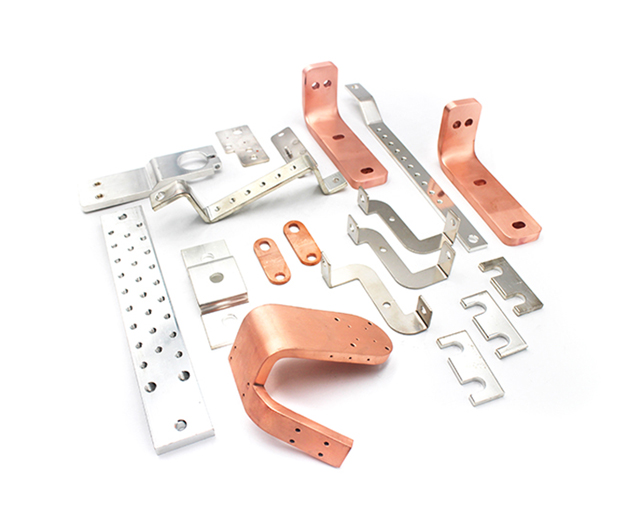
A bus bar serves as a central connection point for multiple electrical circuits. Instead of stacking wires onto a single battery terminal or power source, a bus bar organizes and stabilizes the connections.
Correct wiring ensures:
Lower resistance
Reduced overheating
Stable current distribution
A clean and professional electrical layout
This is especially important for 12V Bus Bar systems used in automotive, marine, solar power, and battery banks.
To wire a bus bar safely, prepare the following:
Bus bar (copper busbar, Aluminum Busbar, Solid Busbar, or Flexible Busbar)
Correct gauge wires
Ring terminals / lugs
Heat shrink tubing
Fuse or circuit breaker (recommended for protection)
Wire stripper
Crimping tool
Screwdriver or wrench
Multimeter
Heat gun
Choose based on load, voltage, and application:
Copper busbar → Best conductivity, ideal for high-current systems
Aluminum busbar → Lightweight and economical
Flexible busbar → Vibration-resistant, suitable for vehicles
Solid busbar → Common for stable installations
For small power systems, a 12V Bus Bar or 12V battery bus bar is commonly used.
Plan:
Input power line (from battery or power supply)
Output circuits (to equipment or distribution points)
Position of fuses or breakers
Labeling wires in advance helps avoid confusion.
Strip wire ends cleanly.
Insert into ring terminals or lugs.
Use a crimping tool to secure firmly.
Apply heat-shrink tubing for insulation and durability.
Good crimps reduce heat and electrical resistance.
Attach the main positive or negative power cable to the appropriate bus bar.
Tighten the screw or nut securely.
For 12V battery bus bar systems, install a fuse close to the battery for safety.
Attach each circuit’s wire to an available terminal on the bus bar.
Ensure the wire gauge and terminal size match the expected load.
Keep wires organized to prevent short circuits.
Use a multimeter to test:
Voltage at the bus bar
Continuity
Polarity (especially in 12V DC systems)
Ensure everything is tight and properly insulated.
Always disconnect the battery or power source before wiring.
Use the correct bus bar rating for current and load.
Avoid mixing copper and aluminum without an anti-corrosive agent.
Never overload the bus bar; follow manufacturer specifications.
Keep wiring clean, tied, and protected from vibration and moisture.
Bus bars are widely used in various industries due to their efficiency and simplicity:
Automotive electrical systems
RVs and campers
Marine boats
Off-grid solar systems
Battery management systems (BMS)
Electrical panels
Power distribution cabinets
UPS systems
HVAC equipment
Renewable energy installations
A high-quality electrical bus bar improves reliability and ensures long-term safe operation.
Understanding how to wire a bus bar is essential for creating safe and efficient electrical systems. Whether you're working with a 12V bus bar, Copper Busbar, Aluminum Busbar, or industrial power distribution module, proper wiring ensures stability, reduces heat, and enhances system performance.
A well-wired bus bar layout leads to cleaner installations, easier maintenance, and improved electrical safety—making it a crucial component in modern power applications.

Copyright © 2026 G AND N FORTUNE LIMITED All rights reserved.