


 English

Blog

2025-12-04 09:04:50
In modern electrical systems—whether in power distribution panels, industrial machinery, renewable energy systems, or commercial buildings—busbars play an essential role. But what does busbar do exactly? A busbar is a conductive metallic bar used to collect, distribute, and transmit electrical power efficiently. It provides a stable connection point for multiple circuits and is crucial for ensuring safe, reliable, and scalable power distribution.
In electrical and industrial markets, busbars are available in many forms, including copper busbar, Aluminum Busbar, Flexible Busbar, Solid Busbar, and electrical bus bar assemblies designed for various load requirements.
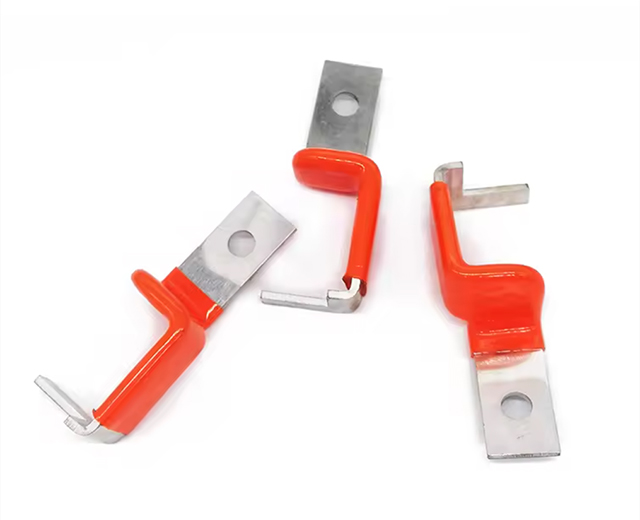
The primary purpose of a busbar is to serve as a central power distribution node. Its key functions include:
A busbar gathers electrical power from incoming feeders and distributes it to multiple outgoing circuits.
This eliminates the need for multiple separate cables, improving efficiency and simplicity.
Busbars are designed to carry high currents.
They help:
Reduce transmission loss
Maintain stable electrical flow
Improve load balancing in complex systems
This is why electrical bus bars are widely used in switchgear, control panels, and battery energy storage systems.
Busbars provide a clean, organized, and secure method for connecting multiple electrical devices.
Compared with traditional wiring, they:
Lower the risk of loose connections
Reduce overheating
Make maintenance easier
Busbars allow easy expansion of electrical systems.
You can add or remove circuits without rewiring the entire system—a major advantage in industrial applications.
Different industries use different busbar types based on electrical load, installation environment, and design requirements.
High conductivity
Excellent thermal performance
Ideal for high-current systems
Copper is the preferred choice for electrical bus bar systems requiring maximum reliability.
Lightweight
Cost-effective
Good conductivity
Used widely in large-scale installations such as substations and solar farms.
Made from braided copper or laminated foil
Allows vibration absorption
Suitable for EV batteries, UPS systems, and power cabinets
Strong mechanical rigidity
Used in switchboards, distribution panels, and industrial control boxes
Busbars are used wherever safe and efficient power distribution is required. Common application areas include:
Motor control centers
Switchgear
Power control cabinets
Solar power inverters
Wind turbine converters
Energy storage systems
EV battery packs
DC charging stations
Onboard power distribution
Backup power systems
Distribution boxes
HVAC electrical units
Modular power distribution units
High-capacity server racks
Choosing busbars provides many advantages over traditional wiring.
Better conductivity and reduced power loss.
Copper busbars especially offer superior current capacity.
Busbars have a larger surface area, helping heat disperse quickly.
Reduced risk of fire caused by overloaded cables.
Busbars require less physical space compared with thick bundles of cables.
Technicians can access and adjust connections easily.
Busbars streamline electrical distribution, increase safety, and reduce maintenance. As power systems become more complex—especially in renewable energy and high-density installations—the need for reliable busbar systems continues to grow. Manufacturers offering copper busbar, aluminum busbar, flexible busbar, and solid busbar solutions support industries requiring stable and scalable electrical infrastructure.

Copyright © 2026 G AND N FORTUNE LIMITED All rights reserved.