


 English

Blog

2025-12-04 09:23:33
In modern electrical distribution systems, the busbar has become one of the most important components for ensuring efficient, safe, and reliable power transmission. Whether used in industrial plants, data centers, power substations, commercial buildings, solar systems, or EV charging infrastructure, a busbar system provides exceptional performance compared with traditional cable-based wiring. Understanding why use busbar helps engineers and buyers make smarter decisions when designing high-power electrical networks.
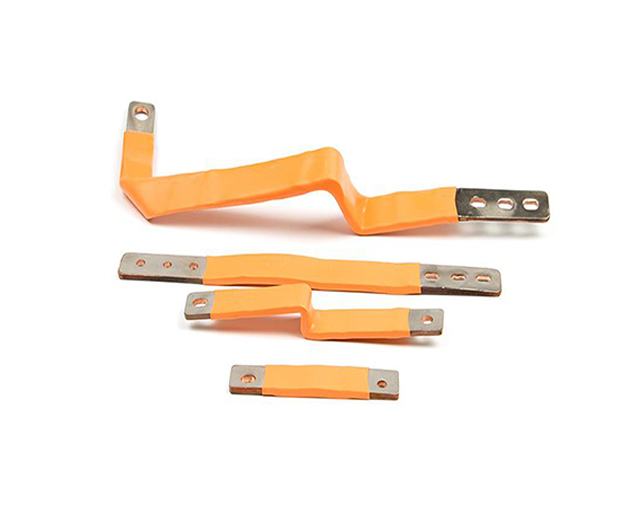
A busbar is a metallic strip or bar—typically made of copper busbar, Aluminum Busbar, or insulated Flexible Busbar—that conducts and distributes large amounts of electrical current within an electrical system. Compared with cables, busbars offer greater conductivity, lower resistance, and better distribution efficiency.
Common categories include:
Copper busbar
Flexible busbar
Insulated electrical bus bar
One major advantage of using busbars is their ability to carry significantly higher current compared to cables.
The flat, wide surface area provides excellent heat dissipation, reducing temperature rise and enabling stable operation even under heavy loads.
Busbars have lower impedance and reduced energy loss.
This ensures stable voltage, better conductivity, and increased system efficiency—crucial for high-performance electrical equipment.
A busbar system minimizes wiring errors, reduces overheating risks, and ensures uniform power distribution.
Busbars are rigid, clearly arranged, and easier to inspect than bundled cables, making them the safer option for critical electrical installations.
Using busbars allows engineers to:
Reduce cable congestion
Optimize panel layout
Achieve more compact switchgear designs
This is especially valuable in data centers, power cabinets, and EV charging stations where space is limited.
The flat profile of a busbar allows heat to spread over a larger surface area, improving cooling performance and extending the life of electrical components.
Unlike cables that require routing, tying, and terminating, busbars provide:
Faster installation
Simplified connections
Easy customization
Quicker maintenance
This lowers labor costs and downtime.
Solid busbars provide excellent mechanical support, withstand vibration, and maintain stable electrical contact even in harsh operating environments.
Busbars can be manufactured in any shape, thickness, or configuration:
Straight bars
Bent busbars
Laminated flexible busbars
Insulated molded busbars
This allows them to meet the requirements of both small control panels and large power systems.
Busbars are widely used in:
Switchgear
Distribution panels
MCCs (Motor Control Centers)
Power factor correction cabinets
Solar inverters
Combiner boxes
Battery energy storage systems
EV charging stations
Battery packs and BMS
DC distribution modules
Power distribution units
High-density server racks
Railway electrical systems
Marine and aerospace power units
Higher conductivity
Lower energy loss
Better heat management
Compact and neat system layout
Longer lifespan
Reduced installation and maintenance time
Excellent reliability for high-power environments
These combined advantages explain why busbars are preferred across industries requiring stable, efficient, and scalable power distribution.
So, why use busbar? Because busbars provide a superior electrical distribution solution with higher current capacity, improved safety, better heat dissipation, and unmatched reliability. Whether using copper busbars, aluminum busbars, flexible busbars, or solid busbars, busbar systems are essential for achieving modern, efficient, and compact electrical infrastructure.

Copyright © 2026 G AND N FORTUNE LIMITED All rights reserved.