


 English

Blog

2025-12-10 10:36:45
In modern electrical and battery systems, a Bus Bar Connector is a critical component that ensures reliable electrical connectivity between bus bars, batteries, and other electrical devices.
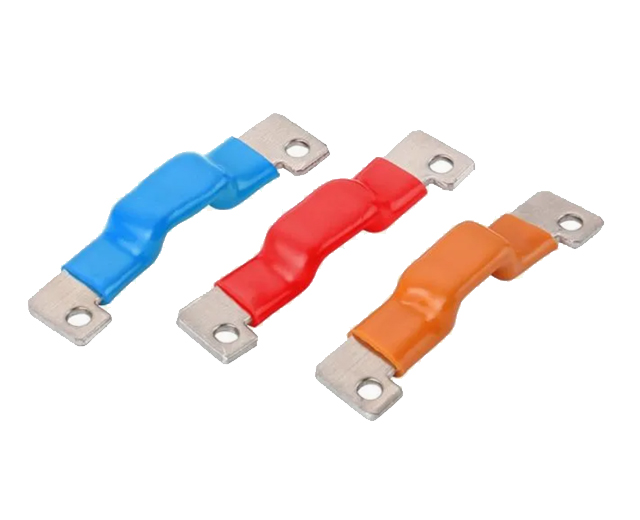
A Bus Bar Connector is a device or component designed to electrically connect bus bars to one another, to electrical equipment, or to battery terminals in a secure and low-resistance manner. These connectors are essential for power distribution in battery packs, electric vehicles (EVs), renewable energy systems, and industrial electrical panels.
Copper Bus Bar Connectors: High conductivity, excellent durability, ideal for high-current applications.
Aluminium Electrical Connectors: Lightweight, cost-effective alternative to copper connectors.
Copper Braided Connectors: Flexible solution for dynamic systems or vibration-prone environments.
High Conductivity: Most connectors use Copper Busbar Connector or copper foil flexible connector for minimal resistance and heat generation.
Mechanical Strength: Designed to withstand mechanical stress, vibration, and thermal expansion.
Flexibility: Flexible battery connectors and copper foil flexible connectors allow connections in tight or dynamic spaces.
Customizable: Available as Copper Busbar Connector custom, suitable for specific battery pack sizes or electrical configurations.
Corrosion Resistance: Many connectors feature tin plating, epoxy coating, or aluminum alloy for enhanced durability in harsh environments.
Bus bar connectors are widely used across multiple industries and applications:
Battery Systems
Battery Bus Bar Connections in lithium-ion or lead-acid battery packs.
EV battery packs using EV Copper Busbar Connector for high-current connections.
280Ah Battery Connector for large-scale energy storage systems.
Electric Vehicles (EVs)
Flexible battery connectors in EV battery modules ensure secure and low-resistance connections under vibration and thermal stress.
Copper Foil Flexible Connector for 280Ah Battery Pack supports rapid charging and high discharge currents.
Power Distribution
Connect copper busbars or Aluminum Busbars in industrial switchgear and distribution panels.
Copper Busbar Connector used for high-current pathways in UPS systems, renewable energy, and heavy machinery.
Custom Industrial Applications
Battery Pack Conductive Connector for modular battery systems.
Flexible Battery Connector for movable machinery or robotic applications.
Enhanced Electrical Performance: Minimal resistance ensures efficient current flow and reduces heat generation.
Reliable Mechanical Connection: Prevents loosening, arcing, and power loss.
Flexibility: Adapts to thermal expansion, vibration, and movement, especially in EV and battery systems.
Customizable: Tailored solutions for various battery pack sizes, current ratings, and materials.
Corrosion Resistance: Increases longevity, particularly in harsh industrial environments.
Current Rating: Ensure the connector can handle the maximum expected current.
Material: Copper for high conductivity, aluminum for lightweight applications.
Flexibility: Flexible or braided connectors for systems subject to vibration or movement.
Surface Treatment: Tin-plated or epoxy-coated connectors resist oxidation.
Compatibility: Verify dimensions and connection types match the bus bars or battery terminals.
Thermal Management: Consider heat dissipation in high-current or densely packed systems.
A Bus Bar Connector is an indispensable component for modern electrical systems, providing safe, reliable, and efficient connections between bus bars, battery terminals, and electrical equipment. With options ranging from Copper Bus Bar Connectors, Copper Foil Flexible Connectors, EV Copper Busbar Connector, and 280Ah Battery Connectors, these components are critical in EV battery packs, industrial panels, renewable energy storage, and power distribution applications. Choosing the right material, flexibility, and protection ensures optimal performance, durability, and safety.

Copyright © 2026 G AND N FORTUNE LIMITED All rights reserved.