


 English

Blog

2026-01-07 15:10:13
When working with electrical systems—whether in industrial power distribution, electric vehicles, or renewable energy—busbars play a critical role. Many users search for terms like what does a busbar do, what is busbar in electrical, or what is a busbar used for because they want a clear, practical explanation of how busbars function and why they are preferred over traditional cables.
This article is written to fully match that search intent, explaining what a busbar is, what a busbar is used for, how to use busbar systems, and how different types—such as aluminium busbar, Flexible Copper Busbar, and various plated copper bus bars—are applied in real-world electrical systems.
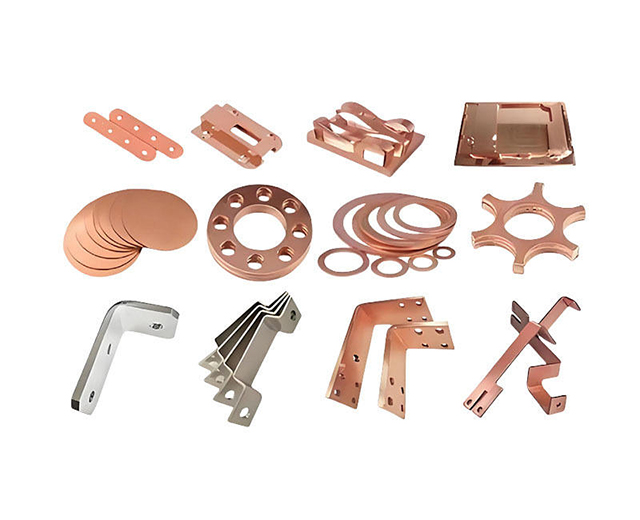
What is busbar?
A busbar is a solid or flexible electrical conductor used to collect, distribute, and transmit electrical power within a system. In electrical engineering, what is busbar in electrical systems usually refers to a flat strip or bar made of copper or aluminum, designed to carry high current with low electrical resistance.
Unlike traditional wiring, busbars are engineered for:
High current capacity
Low voltage drop
Excellent heat dissipation
Compact and organized power distribution
In simple terms, a busbar is the backbone of power distribution.
So, what does a busbar do exactly?
A busbar performs three core functions:
Busbars gather electrical power from a single source, such as:
A transformer
A battery pack
A generator or inverter
They then distribute that power to multiple circuits, loads, or devices efficiently.
Busbars act as stable, low-resistance connection points for breakers, switches, batteries, and electronic modules.
This is why many engineers describe a busbar as an electrical highway—it moves large amounts of current safely and efficiently.
If you are searching what is a busbar used for or what is busbar used for, the answer depends on the application, but common uses include:
Switchgear and control panels
Distribution boards
Motor control centers
Battery Bus Bar connections in lithium battery packs
EV battery modules
Energy storage systems (ESS)
Solar inverters
Wind power systems
DC combiner boxes
High-voltage battery systems
Power electronics
Onboard chargers
Stable, high-current power delivery
Reduced cable congestion
Many users also search how to use busbar correctly. While exact methods depend on voltage and current requirements, the general steps are:
Determine Current Rating
Calculate maximum continuous current and short-circuit capacity.
Choose the Right Material
Copper for high conductivity
Aluminum for lightweight and cost efficiency
Select Busbar Type
Rigid busbar
Flexible Busbar for vibration or thermal expansion
Apply Proper Insulation or Plating
Prevent corrosion, oxidation, and contact resistance.
Install Securely
Use torque-controlled fasteners to ensure low-resistance connections.
Proper busbar design improves safety, efficiency, and system lifespan.
An aluminium busbar is widely used when weight and cost matter.
Advantages:
Lightweight
Lower material cost
Good conductivity-to-weight ratio
Typical Applications:
Power distribution panels
Renewable energy systems
Large-scale industrial installations
Copper offers superior conductivity and compact design.
Advantages:
Higher current capacity
Lower resistance
Better thermal performance
Copper is commonly used in custom busbars, battery systems, and precision electrical equipment.
A flexible busbar is designed to absorb:
Vibration
Thermal expansion
Mechanical movement
A flexible copper busbar is especially popular in:
EV battery packs
Power electronics
Inverter and transformer connections
Key Benefits:
Reduced mechanical stress
Improved system reliability
Easier installation in tight spaces
To improve performance and durability, copper busbars are often plated.
A nickel plated copper bus bar offers:
Excellent corrosion resistance
High-temperature stability
Long service life
Ideal for harsh or high-humidity environments.
A tin plated copper bus bar is commonly used because:
It improves solderability
Prevents oxidation
Reduces contact resistance
Widely used in industrial and battery bus bar applications.
A silver plated busbar provides:
Lowest contact resistance
Superior conductivity
Excellent performance under high current
A silver plated copper bus bar is often used in:
High-end switchgear
Aerospace and defense
Precision electrical systems
Standard sizes don’t always fit complex systems. That’s where custom busbars come in.
Custom busbars can be designed with:
Specific shapes and bends
Hole patterns for terminals
Multi-layer laminated structures
Insulation or coating options
They are commonly used in:
Battery modules
EV power systems
Compact electrical assemblies
A battery bus bar connects individual cells or modules within a battery system.
Why battery bus bars matter:
Ensure uniform current distribution
Reduce energy loss
Improve battery safety and efficiency
Battery bus bars are often made from:
Copper or aluminum
Flexible copper busbar designs
Tin, nickel, or silver plated copper
| Feature | Busbar | Cable |
|---|---|---|
| Current Capacity | Very high | Limited |
| Heat Dissipation | Excellent | Moderate |
| Voltage Drop | Low | Higher |
| Installation | Clean and organized | Complex wiring |
| Reliability | High | Depends on connections |
This comparison explains why engineers increasingly prefer busbars for high-power applications.
To summarize:
What does a busbar do?
It efficiently distributes and connects electrical power.
What is busbar in electrical systems?
A low-resistance conductor designed for high-current transmission.
What is a busbar used for?
Power distribution, battery systems, industrial equipment, EVs, and renewable energy.
From aluminium busbar solutions to flexible copper busbar, nickel plated copper bus bar, tin plated copper bus bar, and silver plated busbar options, modern busbar technology is essential for safe, compact, and efficient electrical design.

Copyright © 2026 G AND N FORTUNE LIMITED All rights reserved.