


 English

Blog

2026-01-21 17:54:32
In modern electrical and power distribution systems, engineers increasingly choose busbars instead of cables for carrying and distributing electricity. From electrical panels to battery systems, EV applications, and industrial power distribution, the electric busbar has become a preferred solution. This article explains why we use busbar instead of cables, how a busbar system works, and where it offers the most value.
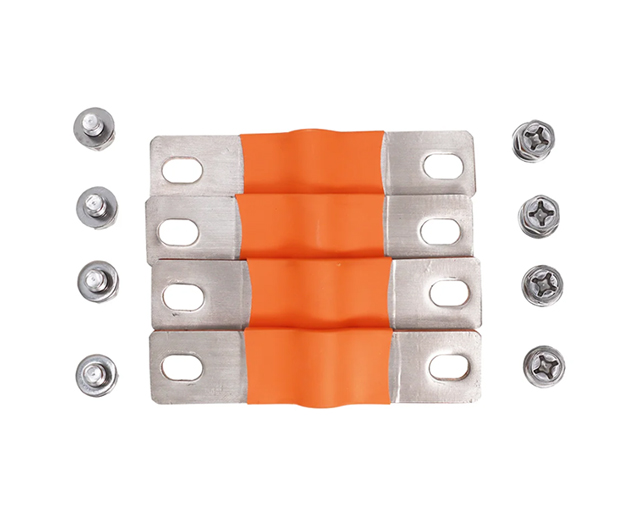
A busbar (also called an electrical bus bar or bus bar electric) is a rigid or semi-flexible conductor used to distribute electrical power. It is commonly made from Copper Busbar or aluminium busbar and installed inside electrical panels, switchgear, battery packs, and power distribution units.
Compared with traditional cables, a busbar provides a direct, low-resistance electrical path for high current transmission.
One of the main reasons we use a busbar instead of cables is its ability to handle much higher current.
A copper electrical busbar has a larger cross-sectional area
Lower electrical resistance than equivalent cables
Supports high-current loads safely
This makes busbars ideal for busbar power systems, Battery Busbar connections, and electrical panel bus bars.
Cables usually require:
Longer routing paths
Multiple connection points
In contrast, a busbar system offers:
Shorter current paths
Fewer joints
Reduced voltage drop
As a result, electric busbars improve overall system efficiency and energy utilization.
Busbars are typically flat or laminated in structure, allowing:
Larger surface area exposure
Faster heat dissipation
Compared to insulated cables, busbars run cooler under high load, reducing the risk of overheating and extending service life.
Using multiple cables can quickly create a crowded and disorganized electrical panel. A busbar electrical panel design offers:
Cleaner layout
Space-saving installation
Easier system expansion
That’s why electrical panel bus bars are standard in modern switchgear and distribution cabinets.
Unlike cables, busbars:
Maintain fixed geometry
Resist vibration and short-circuit forces
Do not sag or deform easily
This makes them suitable for busbars automotive applications, 48V systems, and Battery Bus Bar copper connections.
Busbars reduce common cable-related risks such as:
Loose terminals
Insulation damage
Fire hazards
With options like laminated busbar, Insulated Copper Busbar, and custom copper busbar, safety performance is further enhanced.
Compared to cable wiring:
Busbars are faster to install in fixed systems
Inspection is simpler
Maintenance costs are lower
For scalable systems, custom busbars and modular busbar connectors make future upgrades easier.
Although cables may seem cheaper initially, busbars provide better value over time:
Lower power loss
Reduced maintenance
Longer lifespan
For high-current applications, a busbar power solution is often more cost-effective than cables.
Cables are still preferred when:
Flexibility is required
Current levels are low
Long-distance transmission is needed
However, for high-current, compact, and structured power distribution, busbars are clearly superior.
We use busbars instead of cables because busbars offer:
Higher current capacity
Lower resistance and energy loss
Better heat dissipation
Cleaner system layout
Greater safety and reliability
That’s why electric busbars are widely used in electrical panels, battery systems, industrial equipment, and modern power distribution systems.

Copyright © 2026 G AND N FORTUNE LIMITED All rights reserved.