


 English

Blog

2026-01-21 17:59:54
When designing an electrical system, one of the most common engineering questions is: What size busbar do I need?
Choosing the correct busbar size is critical for safety, efficiency, and long-term reliability, whether you are working with an electric busbar, Battery Busbar, or a complete busbar power system.
This guide explains how to select the right busbar based on current, material, installation conditions, and application requirements.
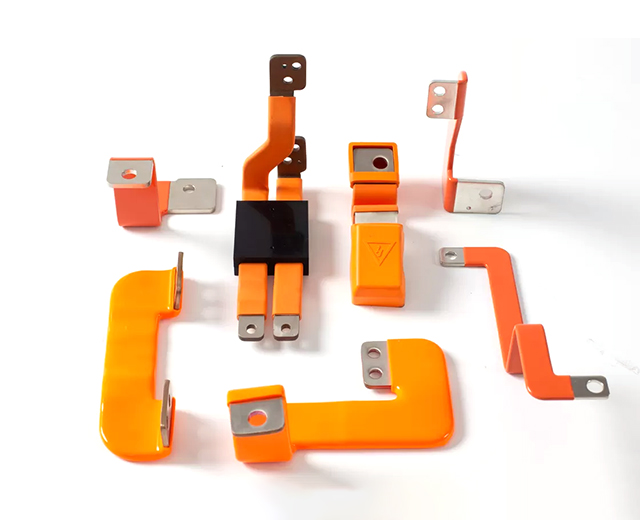
A busbar (also known as an electrical bus bar or bus bar electric) is a solid conductor used to distribute power within an electrical panel, power cabinet, or battery system. Common materials include Copper Busbar and aluminium busbar, both widely used in modern busbar systems.
To answer the question “What size busbar do I need?”, you must consider several technical factors.
The most important factor in selecting a busbar size is the rated current.
Higher current requires a larger cross-sectional area (width × thickness) to prevent overheating and excessive voltage drop.
High electrical conductivity
Smaller size for the same current
Common in Battery Busbar, electrical panel bus bar, and busbar power applications
Lightweight and cost-effective
Requires a larger size than copper for the same current
Often used in large busbar electrical systems
Typically, an aluminium busbar needs about 1.5–1.7 times the cross-sectional area of a copper electrical busbar.
Busbar size is also affected by:
Enclosed or open electrical panels
Natural or forced air cooling
Ambient temperature
Poor ventilation requires a larger electric busbar to limit temperature rise.
Different applications place different demands on busbar sizing:
Battery busbar: must handle high peak and surge currents
Busbar power system: designed for continuous current flow
Electrical panel bus bar: space constraints and insulation requirements
Custom busbars: optimized for specific layouts and loads
| Rated Current (A) | Typical Copper Busbar Size (mm) |
|---|---|
| 100 A | 20 × 3 |
| 200 A | 25 × 3 |
| 400 A | 40 × 5 |
| 630 A | 50 × 6 |
| 800 A | 60 × 6 |
| 1000 A | 80 × 6 |
Note: Actual sizing may vary depending on installation conditions and safety standards.
A simplified selection process:
Determine maximum continuous current
Choose copper or aluminium busbar
Evaluate cooling and enclosure conditions
Consider future expansion and safety margins
Decide whether standard or custom copper busbar is needed
For complex systems, laminated busbar or insulated Flexible Busbar solutions may be preferred.
Incorrect busbar size can lead to:
Excessive heat generation
Power loss and voltage drop
Reduced service life
Potential safety hazards
Correct sizing ensures your busbar system operates efficiently and safely over time.
So, what size busbar do I need?
The answer depends on current rating, material type, installation environment, and application requirements.
By selecting the correct busbar size, you improve system efficiency, reliability, and safety—especially in busbar power, battery busbar, and electrical panel bus bar applications.

Copyright © 2026 G AND N FORTUNE LIMITED All rights reserved.