


 English

Blog

2026-01-23 11:29:41
A copper busbar is a core component in modern electrical and power distribution systems. Thanks to its excellent electrical conductivity, mechanical strength, and reliability, the bus bar copper solution is widely used in electrical panels, grounding systems, battery packs, and industrial equipment.
This article provides a complete overview of copper busbars, including solid, flexible, plated, insulated, and laminated designs, helping buyers and engineers select the right solution for their application.
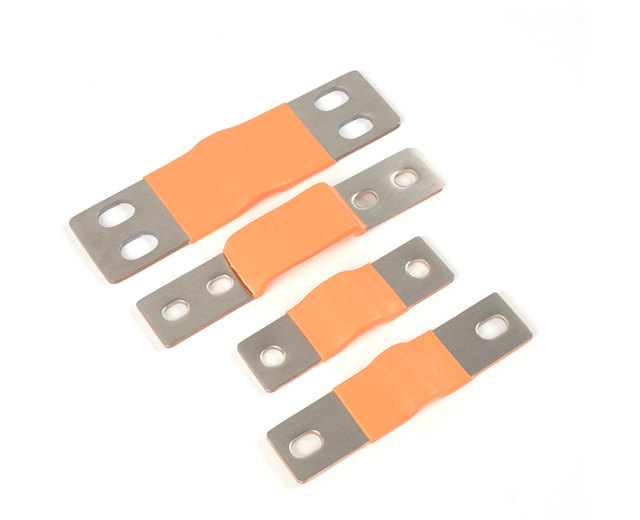
A copper busbar (also known as a CU busbar or electrical copper bus bar) is a solid or flexible conductor made of high-purity copper used to distribute electrical power or provide grounding connections.
Compared with cables, copper busbars offer:
Lower electrical resistance
Higher current-carrying capacity
Better heat dissipation
Longer service life
This makes them ideal for power distribution, grounding, and battery connections.
A solid copper bus bar is the most traditional form of busbar:
Rectangular or flat copper bar
High mechanical strength
Suitable for fixed installations
Commonly used as:
Electrical copper bus bar in panels
Copper grounding bus bar
A flexible copper busbar is designed to absorb vibration, thermal expansion, and misalignment.
Common forms include:
Flexible bus bar
Flexible Busbar copper
Flex bus bar
Flexible copper bar
Flexible copper bus bar
These are widely used in:
EV and battery systems
Power electronics
High-current connections requiring flexibility
A braided busbar or flexible braided copper busbar is made from woven copper strands or flexible copper braid.
Advantages:
Excellent flexibility
High fatigue resistance
Reliable under vibration
Also referred to as:
Copper braided busbar
Braided copper busbar
Ideal for grounding and dynamic connections.
A tin plated copper bus bar (or tinned copper busbar / tin plated copper bar) features a protective tin coating.
Benefits:
Enhanced corrosion resistance
Improved solderability
Longer service life in humid or harsh environments
Common in:
Copper grounding bus bar
Electrical cabinets
Marine and industrial applications
Silver plated copper bus bar / silver plated copper busbar
Excellent conductivity
Lower contact resistance
Ideal for high-frequency or high-current applications
Nickel plated copper bus bar
Superior corrosion and wear resistance
Suitable for high-temperature environments
A laminated copper busbar consists of multiple thin copper layers insulated and stacked together.
Advantages:
Reduced inductance
Better heat dissipation
Compact design
Widely used in:
Power electronics
Inverters and converters
Battery energy storage systems
An insulated copper busbar or insulated flexible busbar adds a protective insulation layer for safety and compact installation.
Benefits:
Improved electrical safety
Reduced short-circuit risk
Space-saving layout
Ground bus bar / copper grounding bus bar
Used for grounding and earthing systems to ensure electrical safety.
Copper Battery Bus Bar
Designed to handle high current and low resistance connections in battery packs and energy storage systems.
A custom copper busbar is designed according to:
Current rating
Size and shape
Surface treatment
Insulation requirements
Custom solutions allow optimal performance in specific electrical systems and installations.
The copper busbar price depends on:
Copper material grade
Size and thickness
Plating type (tin, silver, nickel)
Insulation and flexibility
Custom processing requirements
For large projects, sourcing a copper bus bar for sale directly from manufacturers ensures better cost control and quality consistency.
Compared to other conductors, copper busbars offer:
High conductivity
Excellent mechanical strength
Long-term reliability
Versatile design options
That’s why bus bar copper solutions are essential in modern electrical systems.
From solid copper bus bars to flexible braided copper busbars, from tinned copper busbars to laminated and insulated copper busbars, copper remains the preferred material for safe and efficient power distribution.
Choosing the right copper busbar improves system performance, reliability, and service life across industrial, commercial, and energy applications.

Copyright © 2026 G AND N FORTUNE LIMITED All rights reserved.