


 English

Blog

2026-01-23 11:54:40
A copper busbar is a critical component in electrical power distribution, grounding, and battery systems. Understanding how to make a copper busbar helps engineers, buyers, and system integrators evaluate product quality, manufacturing capability, and cost structure when sourcing a custom copper busbar.
This article explains the complete manufacturing process of a bus bar copper solution, covering solid, flexible, plated, laminated, and insulated designs.
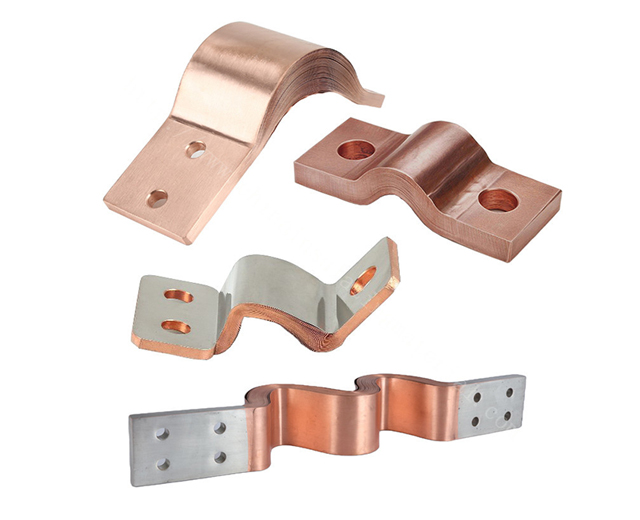
A bus bar (also called an electrical copper bus bar or CU busbar) is a conductive bar made from high-purity copper, designed to carry and distribute electrical current efficiently.
Compared with cables, a copper busbar offers:
Lower electrical resistance
Higher current capacity
Better heat dissipation
Longer service life
Copper busbars are widely used as ground bus bar, Copper Battery Bus Bar, and power distribution conductors.
The manufacturing process starts with selecting high-quality copper, typically:
T2 / C1100 / C1020 copper
High conductivity and low impurity
This raw material forms the basis of:
Solid copper bus bar
Laminated copper busbar
Material purity directly affects performance and copper busbar price.
Copper bars are cut to required dimensions using:
CNC cutting
Shearing or sawing
Then formed through:
Bending
Punching
Drilling
This step defines the geometry of:
Bus bar copper
Ground bus bar
Copper grounding bus bar
A solid copper bus bar is produced from a single copper plate or bar, suitable for fixed installations in electrical panels.
A flexible copper busbar or flexible bus bar is made by stacking thin copper foils or sheets, allowing flexibility and vibration resistance.
Also known as:
Flex bus bar
Flexible copper bus bar
A braided busbar or flexible braided copper busbar is manufactured using woven copper strands or flexible copper braid, ideal for dynamic or grounding applications.
Surface plating improves corrosion resistance and electrical contact performance.
Common options include:
Tin plated copper bus bar / tinned copper busbar / tin plated copper bar
Prevents oxidation
Improves solderability
Silver plated copper bus bar / silver plated copper busbar
Lower contact resistance
Ideal for high-current or high-frequency applications
Nickel plated copper bus bar
Excellent wear and temperature resistance
Plating choice directly impacts durability and application suitability.
A laminated copper busbar is made by:
Stacking multiple thin copper layers
Inserting insulation films between layers
Applying heat and pressure bonding
This structure reduces inductance and improves heat dissipation, commonly used in power electronics and battery systems.
To improve safety, busbars may be insulated using:
Heat shrink tubing
Epoxy coating
PVC or PET insulation
Resulting products include:
Insulated copper busbar
Insulated Flexible Busbar
These are widely used in compact electrical systems and battery packs.
Finished copper busbars undergo strict inspection:
Dimensional accuracy
Surface finish
Electrical conductivity
Plating thickness
Only qualified products are released for shipment or copper bus bar for sale.
A custom copper busbar is produced based on:
Current rating
Installation space
Flexibility requirements
Surface treatment
Insulation needs
Customization ensures optimal performance in electrical panels, grounding systems, and battery applications.
Electrical copper bus bar for power distribution
Ground bus bar and copper grounding bus bar for safety
Copper Battery Bus Bar for energy storage systems
Flexible and braided busbars for vibration-prone environments
The copper busbar price depends on:
Copper material cost
Size and thickness
Plating type
Insulation and flexibility
Custom processing complexity
Working directly with manufacturers helps optimize cost and quality.
Understanding how to make a copper busbar reveals why copper remains the preferred material for modern power distribution. From solid copper bus bars to flexible braided copper busbars, from tinned to silver plated and laminated copper busbars, each manufacturing step directly impacts performance, safety, and lifespan.

Copyright © 2026 G AND N FORTUNE LIMITED All rights reserved.