


 English

Blog

2026-01-29 17:58:14
When discussing electrical systems, a common question arises: how long does it take busbar to work? Understanding the function and behavior of a busbar is essential for engineers, electricians, and anyone involved in power distribution. In reality, the answer lies in the nature of busbars themselves and the type of system they are used in.
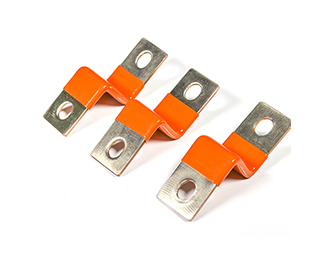
A busbar is a metallic conductor, typically made of copper or aluminum, used to collect, carry, and distribute electricity within substations, switchgear, or other power systems. Busbars are crucial components for ensuring efficient and stable power flow, and they come in various forms to meet specific operational needs.
Common types include: solid copper bus bar, Flexible Copper Busbar, tinned Copper Busbar, laminated copper busbar, insulated copper busbar, and Copper Battery Bus Bar. Each type has its advantages depending on current load, flexibility requirements, and system design.
It’s important to note that a busbar does not have a delay or start-up time like mechanical devices. Once connected to a live electrical circuit, the busbar begins conducting electricity instantly.
A copper busbar or bus bar copper allows current to flow immediately.
Electrical copper bus bar systems are designed to carry high currents without noticeable delay.
The concept of “working time” is a misconception; the busbar itself is always ready to conduct as long as the circuit is energized.
While electricity flows instantly, busbars can heat up depending on the current load and material:
Solid copper bus bar: Excellent conductivity, heats slowly under high current, suitable for heavy-duty applications.
Laminated copper busbar: Reduces eddy currents and is efficient in high-frequency or high-current environments.
Flexible copper busbar, flexible bus bar, flexible copper braid: Ideal for connections that experience vibration or thermal expansion; they carry current efficiently while providing flexibility.
Tinned copper busbar: Offers corrosion resistance and maintains conductivity even in humid environments.
Despite heat generation, the electrical conduction through the busbar begins immediately, not after any delay.
Busbars are widely used across various electrical applications:
Substations and Switchgear
Distribute power to multiple circuits and transformers.
Use solid copper bus bar or laminated copper busbar for high reliability.
Battery Systems
Copper Battery Bus Bar connects multiple cells or modules for low-resistance current flow.
Custom Installations
Custom copper busbar solutions are available for unique designs or space constraints.
Commercial Supply
Many suppliers offer copper bus bar for sale, including insulated copper busbar and flexible options, to meet specific electrical requirements.
When selecting a busbar for your system, consider:
Current carrying capacity and voltage rating
Environmental conditions (indoor/outdoor, temperature, humidity)
Need for flexibility or vibration tolerance (flexible copper busbar, flexible copper braid)
Insulation requirements (insulated copper busbar)
Special applications like battery systems (copper battery bus bar)
The right choice ensures safe, efficient, and reliable power distribution with instant operation as soon as the system is energized.
So, how long does it take busbar to work? The simple answer is immediately. A properly installed copper busbar begins conducting electricity as soon as the circuit is live. Whether it is a solid copper bus bar, flexible copper busbar, tinned copper busbar, laminated copper busbar, or a custom copper busbar, the electrical flow is instantaneous.
For engineers, electricians, and system designers, understanding this principle is crucial for building reliable and efficient electrical systems. If you are planning installations, many suppliers offer high-quality copper bus bar for sale suitable for various industrial and commercial applications.

Copyright © 2026 G AND N FORTUNE LIMITED All rights reserved.