


 English

Blog

2026-03-03 16:52:38
In modern electrical systems, efficiency, safety, and reliability are critical. Whether in substations, industrial facilities, renewable energy systems, or battery storage applications, engineers often ask: why use busbar instead of traditional cables or wiring?
A busbar is a solid metallic conductor used to distribute electricity efficiently within a power system. Compared to conventional wiring, busbars provide superior performance in high-current environments. Below, we explain the key reasons why busbars are widely used in electrical installations.
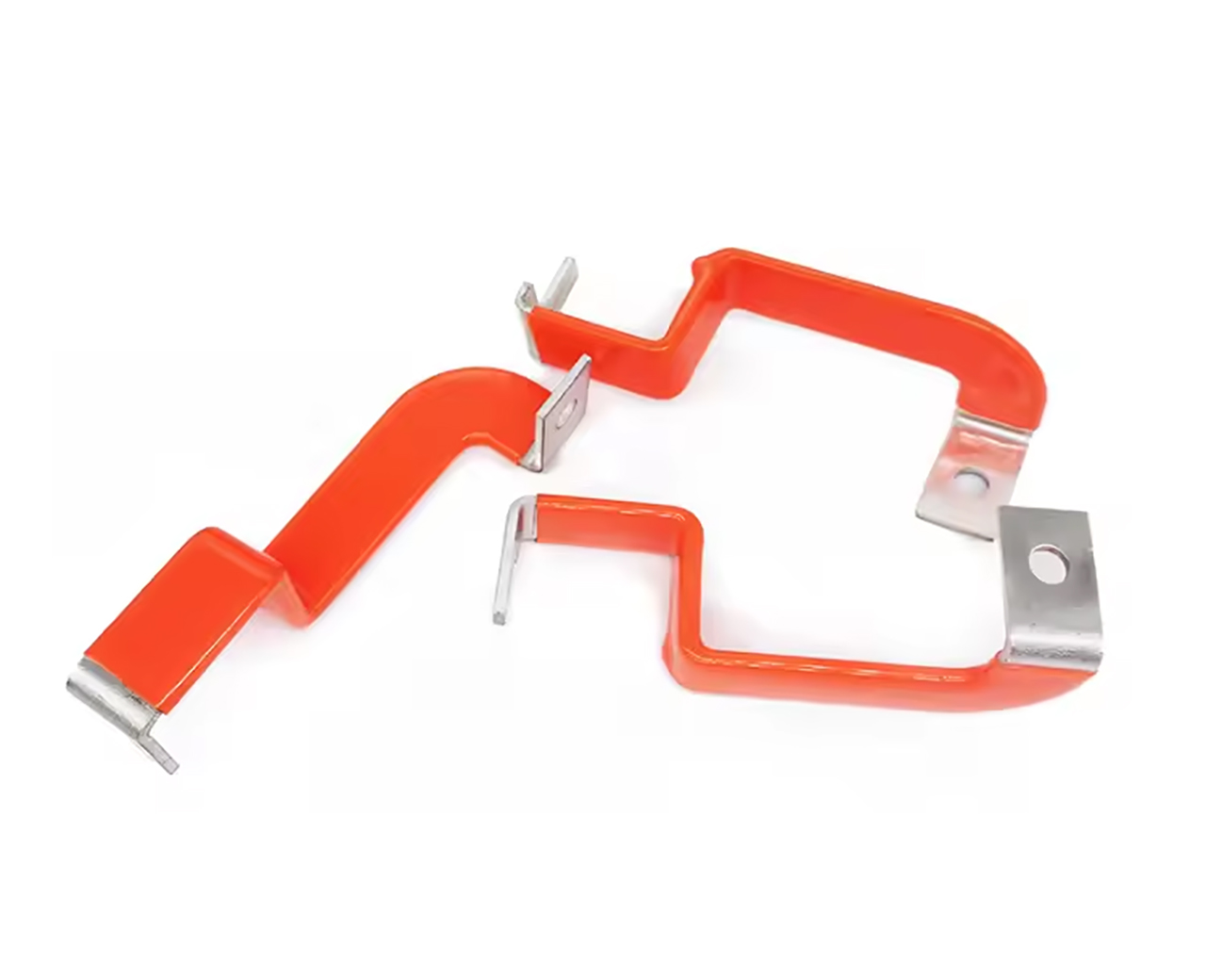
One of the main reasons to use a busbar is its ability to handle high current loads safely and efficiently.
Unlike cables, which may overheat under heavy load, a Copper Busbar has a larger cross-sectional area and lower resistance. This allows it to:
Reduce voltage drop
Minimize power loss
Improve system stability
Handle high short-circuit currents
For heavy-duty applications, a solid copper bus bar is often preferred due to its excellent conductivity and thermal performance.
Electrical systems require minimal energy loss to maintain performance. A bus bar copper conductor offers lower resistance compared to multiple cable connections.
Benefits include:
Reduced heat generation
Better energy efficiency
Lower long-term operating costs
A properly designed electrical copper bus bar ensures uniform power distribution across multiple connection points.
Busbars allow for a more compact layout compared to traditional wiring systems.
In switchgear panels and substations, a Laminated Copper BusBar can replace multiple cables, simplifying design and reducing clutter. This makes installation cleaner and more organized, especially in high-density power distribution systems.
Busbars are rigid and mechanically strong. A solid copper bus bar can withstand mechanical stress, vibration, and short-circuit forces better than flexible wiring.
For applications requiring movement or vibration tolerance, a Flexible Copper Busbar, flexible bus bar, or flexible copper braid provides both conductivity and mechanical flexibility.
Heat management is critical in electrical systems. Busbars have a larger surface area compared to cables, allowing better heat dissipation.
For advanced systems, a laminated copper busbar improves current distribution and reduces eddy current losses, further enhancing thermal performance.
In harsh environments, corrosion can affect electrical conductivity. A tinned copper busbar offers enhanced corrosion resistance, making it ideal for:
Outdoor substations
Marine environments
Humid industrial facilities
An insulated copper busbar adds an extra layer of protection, improving safety and durability.
With the growth of EVs and energy storage, busbars play a crucial role in battery systems. A Copper Battery Bus Bar connects multiple battery cells, ensuring:
Uniform voltage distribution
Low resistance connections
High current handling capability
Custom-designed busbars are often required in these applications.
Another reason why engineers use busbars is customization. A custom copper busbar can be manufactured to match specific:
Voltage requirements
Current capacity
Installation dimensions
Hole patterns and tab designs
Manufacturers provide various specifications, and many suppliers offer copper bus bar for sale tailored to industrial needs.
Busbars simplify system upgrades and maintenance. Instead of rerouting multiple cables, engineers can expand or modify a busbar system with minimal downtime.
This modular advantage makes busbars ideal for:
Substations
Data centers
Manufacturing plants
Renewable energy installations
So, why use busbar?
Because busbars provide:
Higher current capacity
Improved electrical efficiency
Better heat dissipation
Stronger mechanical performance
Enhanced safety
Compact system design
Customizable solutions
Whether using a solid copper bus bar, flexible copper busbar, laminated copper busbar, or tinned copper busbar, busbars offer a reliable and efficient alternative to traditional wiring systems.
For modern electrical infrastructure, busbars are not just an option — they are often the preferred solution for safe and high-performance power distribution.

Copyright © 2026 G AND N FORTUNE LIMITED All rights reserved.