


 English

Blog

2026-03-04 11:14:41
When designing electrical systems, one critical technical question engineers often ask is: what is the resistance of a bus bar? Understanding bus bar resistance is essential for ensuring efficient power transmission, minimizing voltage drop, and preventing overheating in electrical installations.
Busbars are widely used in substations, switchgear, battery systems, and industrial power distribution because of their low electrical resistance and high current-carrying capability.
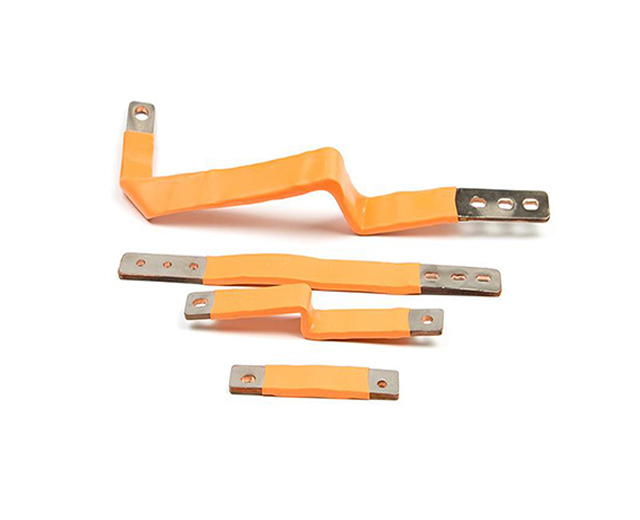
The resistance of a bus bar depends on several key factors:
The most common material used is Copper Busbar, as copper has very low resistivity (approximately 1.68 × 10⁻⁸ Ω·m at 20°C). This makes bus bar copper an excellent conductor for high-current applications.
A high-quality electrical copper bus bar significantly reduces energy loss compared to alternative materials.
Resistance is inversely proportional to the cross-sectional area. A thicker solid copper bus bar will have lower resistance than a thinner one of the same length.
This is why high-current systems often use wide and thick busbars to minimize voltage drop and heat generation.
Resistance increases with length. The longer the busbar, the higher the resistance. Designers must calculate total resistance carefully when planning large electrical panels or substations.
As temperature increases, copper resistance increases slightly. Proper ventilation and heat dissipation are important, especially in compact systems using insulated copper busbar designs.
The basic formula for resistance is:
R = ρ × (L / A)
Where:
R = Resistance (ohms)
ρ = Resistivity of material
L = Length
A = Cross-sectional area
For example, a short, thick solid copper bus bar will have extremely low resistance, often measured in micro-ohms.
A solid copper bus bar provides the lowest resistance due to its continuous structure and large cross-section. It is ideal for heavy-duty power distribution.
A laminated copper busbar consists of multiple thin copper layers. While the total resistance remains low, the design improves current distribution and reduces eddy current losses in high-frequency systems.
A flexible copper busbar, also known as a flexible bus bar or flexible copper braid, may have slightly higher resistance than a solid bar due to strand structure. However, it offers mechanical flexibility and vibration tolerance.
A tinned copper busbar maintains low resistance while adding corrosion protection. The thin tin layer does not significantly affect electrical conductivity.
In energy storage systems, a copper Battery Bus Bar must maintain ultra-low resistance to ensure balanced current flow across battery cells.
Many engineers ask why use busbar instead of cables. One of the main reasons is its extremely low electrical resistance.
Advantages include:
Reduced power loss
Lower heat generation
Improved efficiency
Higher current capacity
Stable voltage distribution
Compared to multiple cable connections, a well-designed custom copper busbar offers superior electrical performance.
For copper busbars:
Short, thick bars: micro-ohm range
Long, thin bars: higher milliohm range
Proper engineering ensures the resistance remains low enough to prevent energy waste and overheating.
Manufacturers provide design support for optimized sizing, and there are many copper bus bar for sale options available in various dimensions and specifications.
Busbar resistance is especially critical in:
Substations
Switchgear systems
Industrial machinery
Renewable energy systems
EV charging infrastructure
Battery storage systems using copper battery bus bar
In these systems, even small resistance increases can impact overall efficiency.
So, what is the resistance of a bus bar?
The resistance of a bus bar depends on its material, size, length, and temperature. A properly designed copper busbar offers extremely low resistance, making it ideal for high-current electrical systems.
Whether using a solid copper bus bar, laminated copper busbar, flexible copper busbar, or insulated copper busbar, choosing the correct design ensures maximum efficiency and reliability.
For projects requiring precise specifications, custom copper busbar solutions and high-quality copper bus bar for sale options are available to meet industrial and commercial power distribution needs.

Copyright © 2026 G AND N FORTUNE LIMITED All rights reserved.