


 English

Blog

2026-03-04 11:45:09
In modern electrical systems, a common question is: what’s a bus bar? A bus bar is a metallic conductor that distributes electricity within a power system. It is a key component in substations, switchgear, industrial panels, and battery systems. Understanding what a bus bar is and its types is essential for engineers, electricians, and anyone working with electrical installations.
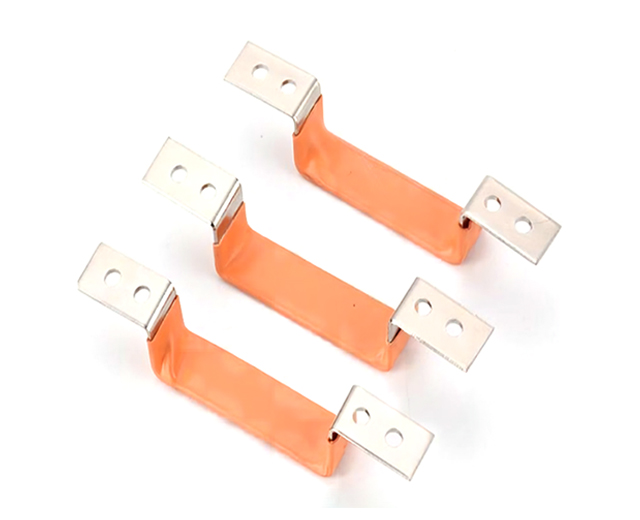
A bus bar is a solid or flexible conductor, typically made of copper or aluminum, designed to carry large currents safely. Copper Busbar is widely used because of its excellent electrical conductivity, durability, and thermal performance.
The term bus bar copper refers to copper-based busbars designed for high-current applications. A high-quality electrical copper bus bar ensures stable power distribution and minimal energy loss.
Bus bars serve multiple purposes in electrical systems:
Power Distribution
A bus bar collects electricity from a main source and distributes it to multiple circuits. It simplifies panel design and reduces wiring complexity.
High Current Handling
Bus bars can carry very high currents, unlike standard cables. A solid copper bus bar provides low resistance and minimal heat generation for heavy-duty systems.
Improved Efficiency
Using a bus bar reduces voltage drop and energy loss, improving overall electrical system efficiency. Laminated copper busbar designs further enhance performance in high-frequency applications.
Mechanical Strength
Bus bars are structurally strong. In vibration-prone or moving systems, a Flexible Copper Busbar, flexible bus bar, or flexible copper braid allows mechanical flexibility while maintaining excellent conductivity.
Corrosion Resistance
A tinned copper busbar provides long-term corrosion protection, while an insulated copper busbar improves safety by preventing accidental contact.
Battery Applications
In energy storage systems, a Copper Battery Bus Bar ensures balanced current distribution and low resistance connections between battery cells.
Solid Copper Bus Bar – Rigid and suitable for high-current installations.
Laminated Copper Busbar – Multiple thin layers to reduce losses and improve current distribution.
Flexible Copper Busbar / Flexible Bus Bar / Flexible Copper Braid – For vibration tolerance and mechanical flexibility.
Tinned Copper Busbar – Corrosion resistant for harsh environments.
Insulated Copper Busbar – Adds safety in compact electrical enclosures.
Custom Copper Busbar – Designed for specific voltage, current, and installation requirements.
Manufacturers often provide copper bus bar for sale in various specifications to suit residential, commercial, and industrial applications.
Many engineers ask: why use busbar instead of traditional cabling? The advantages include:
Higher current capacity
Lower energy loss
Better heat dissipation
Compact and organized system layout
Easier maintenance and upgrades
Bus bars are a reliable and efficient alternative to multiple cable connections in any electrical system.
Bus bars are used across various industries:
Electrical substations
Industrial switchgear
Data centers
Renewable energy systems
EV battery packs
Commercial and residential power panels
In all these applications, a custom copper busbar ensures consistent power delivery, reduced losses, and improved safety.
So, what’s a bus bar? It is a metallic conductor that distributes electrical power efficiently and safely. Using high-quality copper busbar, whether solid copper bus bar, laminated copper busbar, or flexible copper busbar, ensures reliable performance.
From battery systems with copper Battery Bus Bar to industrial power distribution, bus bars remain a key component for modern electrical infrastructure. For tailored solutions, many suppliers offer custom copper busbar and copper bus bar for sale to meet different power requirements.

Copyright © 2026 G AND N FORTUNE LIMITED All rights reserved.