


 English

Blog

2026-03-11 18:30:41
In modern electrical systems, reliable power distribution is essential for safety and efficiency. One of the most important components used in power distribution systems is the busbar connector. These connectors are widely used in electrical panels, battery packs, renewable energy systems, and industrial power equipment.
Understanding how to make a busbar connector helps manufacturers and engineers design durable and high-performance electrical connections. From selecting materials to forming and assembling components, every step in the process influences the performance of the final product. This article explains the manufacturing process and explores the role of busbar connectors, electrical busbar connectors, and Flexible Busbar connectors in modern power systems.
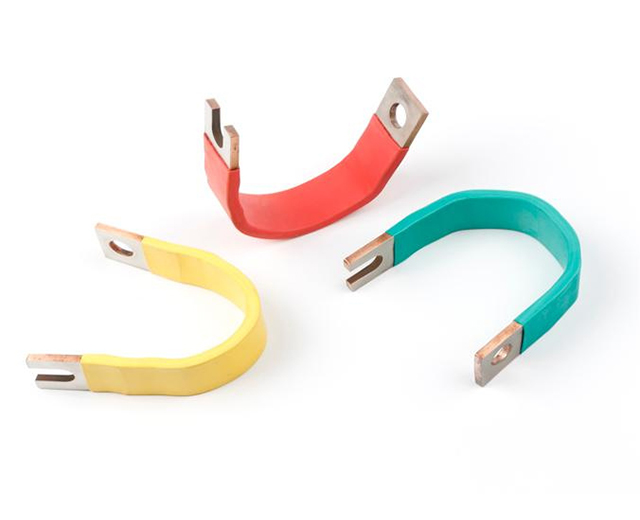
A busbar connector is a conductive component used to connect two or more power busbars in an electrical system. Busbars are typically made of copper or aluminum and are designed to distribute high electrical current efficiently across circuits.
Busbar connectors serve as the interface that links these conductive bars together while maintaining stable and secure electrical bus bar connections. They are commonly found in switchgear, power distribution units, battery modules, and industrial machinery.
Different types of electrical bus connector solutions exist depending on the application. Some systems use rigid connectors, while others require flexible busbar connectors to accommodate vibration, thermal expansion, or movement.
Common types include:
Copper bus bar connectors
High current busbar connectors
Battery Busbar connector systems
Flexible braided Copper Busbar
Connector busbar assemblies
Each type is designed to ensure efficient current transfer and reliable mechanical stability.
The performance of bus bar connectors depends heavily on the materials used. Manufacturers select materials that provide excellent conductivity, corrosion resistance, and mechanical strength.
Copper is the most widely used material for copper bus bar connectors because of its excellent electrical conductivity and durability. It is ideal for high current busbar connectors used in power distribution systems.
Advantages of copper include:
High electrical conductivity
Excellent thermal performance
Strong mechanical properties
Long service life
Aluminum is lighter and more cost-effective than copper. It is often used in large-scale power systems where weight reduction is important.
For applications that require movement or vibration resistance, manufacturers often use flexible braided copper busbar structures. These designs allow flexibility while maintaining strong electrical bus bar connections.
Flexible connectors are commonly used in:
EV battery packs
Energy storage systems
Power converters
Industrial automation equipment
Producing high-quality busbar connectors requires several precision manufacturing steps. The process ensures the final electrical busbar connectors meet electrical, thermal, and mechanical performance requirements.
The first step in making a busbar connector is cutting the raw copper or aluminum material into the required size and shape.
Manufacturers may use:
CNC machining
Laser cutting
Punching machines
Stamping processes
These techniques help produce precise connector bus bar components that match engineering specifications.
After cutting, the metal pieces are shaped using bending or forming machines. This step creates the required geometry for the connector busbar design.
Forming is essential for applications where connectors must fit tightly within compact electrical equipment.
For example, Battery Bus Bar connections in EV battery modules often require precisely shaped connectors to fit within limited space.
To improve corrosion resistance and electrical performance, manufacturers apply surface treatments to busbar connectors.
Common treatments include:
Tin plating
Nickel plating
Silver plating
Tin plating is particularly common for electrical bus bar connector components because it improves conductivity and prevents oxidation.
Surface finishing also ensures better contact reliability in high current busbar connectors.
In many cases, busbar connectors are assembled with additional components such as terminals, bolts, or insulation materials.
Typical joining methods include:
Riveting
Welding
Bolted connections
Brazing
For flexible applications, manufacturers assemble flexible busbar connectors using multiple layers of braided copper, forming a flexible braided copper busbar structure.
This design allows the connector to absorb vibration and thermal expansion without damaging the electrical bus connector.
Quality control is critical in the production of electrical busbar connectors. Every component must meet strict electrical and mechanical standards.
Testing may include:
Electrical conductivity testing
Current carrying capacity testing
Thermal resistance testing
Mechanical strength testing
These tests ensure the power busbar system operates safely under high current loads.
Because of their excellent conductivity and reliability, busbar connectors are widely used across many industries.
Electrical cabinets and switchgear systems rely heavily on electrical bus bar connections to distribute electricity safely and efficiently.
EV battery modules often use battery busbar connector designs to link battery cells together. These battery bus bar connections must handle high current while maintaining low resistance.
Solar and wind power installations use electrical busbar connectors to connect power modules and inverters.
Factories and heavy machinery depend on high current busbar connectors to deliver stable power to motors, drives, and automation systems.
Large-scale energy storage facilities use flexible busbar connectors to accommodate vibration and temperature changes.
Compared with traditional wiring systems, busbar connectors provide several important advantages.
Higher current capacity
A well-designed busbar connector can carry much higher current than standard cables.
Improved reliability
Solid electrical bus bar connections reduce resistance and improve electrical stability.
Compact structure
Busbar systems allow more compact power distribution designs.
Better thermal performance
Metal busbars dissipate heat more effectively than traditional wiring.
Flexible installation options
With flexible busbar connectors, systems can accommodate movement and vibration.
Learning how to make a busbar connector involves understanding materials, precision manufacturing processes, and electrical performance requirements. From cutting and forming to plating and final inspection, each step ensures the connector can deliver reliable power in demanding environments.
Today, busbar connectors, electrical busbar connectors, and flexible busbar connectors are essential components in modern electrical infrastructure. Whether used in EV batteries, renewable energy systems, industrial equipment, or power distribution cabinets, these connectors provide safe, efficient, and high-capacity electrical connections.
As power systems continue to evolve, innovations in copper bus bar connectors, flexible braided copper busbar, and high current busbar connectors will play a crucial role in supporting next-generation electrical technologies.

Copyright © 2026 G AND N FORTUNE LIMITED All rights reserved.