


 English

Blog

2026-03-11 18:34:34
In modern electrical systems, bus bars play a critical role in distributing power efficiently and safely. They are widely used in electrical panels, switchgear, battery systems, renewable energy equipment, and industrial power distribution networks. When designing a power system, one of the most common questions engineers and manufacturers face is: what is better, copper or Aluminum Bus Bar?
Both materials are commonly used to manufacture electrical bus bars, and each offers specific advantages depending on the application. Understanding the differences between Copper Bus Bar and aluminum bus bar can help businesses select the most suitable material for their electrical systems.
This article explores the properties, advantages, and typical applications of both materials to help determine which type of power bus bar is best for your needs.
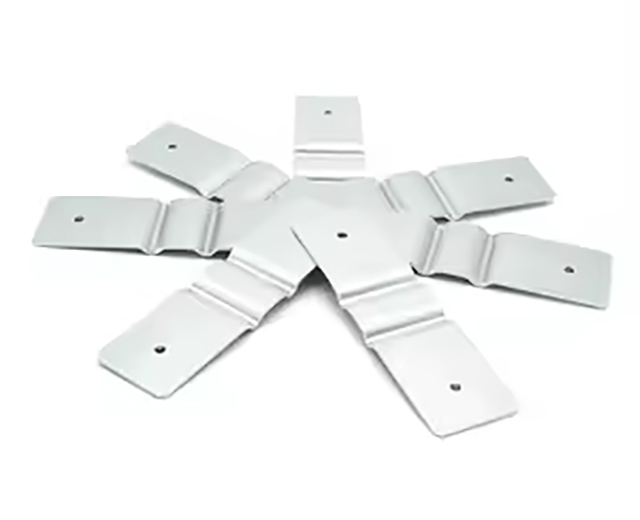
A bus bar is a conductive metal strip or bar used to distribute electricity within electrical equipment. Instead of using multiple wires, a bus bar system provides a centralized method of power distribution that can handle large electrical currents.
Common materials used for electrical bus bars include:
Copper bus bar
Aluminum bus bar
These materials are shaped into flat bars, strips, or plates and installed in switchgear, distribution panels, and battery packs to create efficient electrical bus bar connections.
Bus bars are often combined with busbar connectors, copper bus bar connectors, or electrical bus bar connectors to link multiple components within a system.
Copper is the most widely used material for high current bus bar applications. A copper bus bar offers excellent electrical and thermal performance, making it ideal for demanding power distribution systems.
One of the biggest advantages of a copper bus bar is its superior electrical conductivity. Copper conducts electricity more efficiently than aluminum, which allows systems to operate with lower resistance and reduced energy loss.
Because of this property, Copper Bus Bars are often used in high current bus bar systems where stable electrical performance is critical.
Copper is stronger and more durable than aluminum. This makes copper bus bar connectors more reliable when used in environments where mechanical stress or vibration may occur.
Electrical systems generate heat during operation. Copper has excellent thermal conductivity, allowing a power bus bar made of copper to dissipate heat more efficiently.
This characteristic improves system safety and reduces the risk of overheating in high-power applications.
Copper resists fatigue and mechanical deformation better than aluminum. As a result, Copper Bus Bars often provide longer service life and better reliability in industrial equipment and electrical cabinets.
Although copper has superior electrical performance, aluminum bus bars are also widely used in many industries. Aluminum provides several important advantages, particularly for large-scale power systems.
One of the main reasons companies choose aluminum bus bars is cost. Aluminum is significantly less expensive than copper, making it an attractive option for large installations such as power distribution systems and renewable energy infrastructure.
Aluminum weighs approximately one-third as much as copper. This makes aluminum bus bars easier to transport and install, especially in large electrical systems.
In applications like solar farms or large switchgear assemblies, weight reduction can simplify installation and reduce structural support requirements.
Aluminum naturally forms a protective oxide layer that helps resist corrosion. This property allows aluminum bus bars to perform well in outdoor or humid environments.
However, proper surface treatment and connection methods are required to maintain reliable electrical bus bar connections.
When comparing copper bus bar and aluminum bus bar, several important factors should be considered.
Copper has higher electrical conductivity than aluminum. This means a copper bus bar can carry the same current as an aluminum bar with a smaller cross-sectional area.
In high-performance systems, copper bus bars are often preferred for this reason.
Aluminum is much lighter than copper. For large installations where weight is an important factor, aluminum bus bars may provide significant advantages.
Aluminum is generally more affordable than copper. In large power bus bar systems, the cost difference can be substantial.
Because aluminum has lower conductivity, aluminum bus bars typically need a larger cross-sectional area to carry the same current as copper.
Copper provides more stable electrical bus bar connections, especially when used with copper bus bar connectors or electrical bus bar connectors designed for high current applications.
Due to their high performance, copper bus bars are commonly used in:
Industrial power distribution systems
Data centers and server power systems
Electric vehicle battery modules
Energy storage systems
High-current electrical cabinets
In these applications, copper bus bar connectors ensure reliable and efficient power transmission.
Because of their lower cost and lightweight properties, aluminum bus bars are often used in:
Large power distribution networks
Renewable energy systems
Utility power installations
Transformer connections
Large electrical panels
In these systems, properly designed electrical bus bar connections are essential to maintain safe operation.
When deciding between copper bus bar and aluminum bus bar, engineers must evaluate several factors:
Required current capacity
Installation environment
Weight limitations
Budget constraints
Space availability
For compact, high-performance systems, copper bus bars are often the best choice. However, for large installations where cost and weight are critical, aluminum bus bars can provide an effective solution.
So, what is better, copper or aluminum bus bar? The answer depends on the specific application.
A copper bus bar provides superior conductivity, durability, and reliability, making it ideal for high-current and high-performance electrical systems. On the other hand, an aluminum bus bar offers lower cost and lighter weight, which can be advantageous in large-scale power distribution installations.
Both materials play an important role in modern electrical infrastructure. By carefully evaluating system requirements, engineers can select the most suitable power bus bar material to achieve safe, efficient, and cost-effective power distribution.

Copyright © 2026 G AND N FORTUNE LIMITED All rights reserved.