


 English

Blog

2026-03-12 10:08:46
In modern electrical systems, efficient power distribution and reliable electrical connections are critical. One component that plays an increasingly important role in these systems is the Flexible Busbar. Compared with traditional rigid busbars, flexible busbars offer improved adaptability, vibration resistance, and easier installation.
Understanding what a flexible busbar is and how it works helps engineers and manufacturers design safer and more efficient electrical systems. Today, flexible busbars are widely used in electric vehicles, battery packs, industrial equipment, renewable energy systems, and power distribution cabinets.
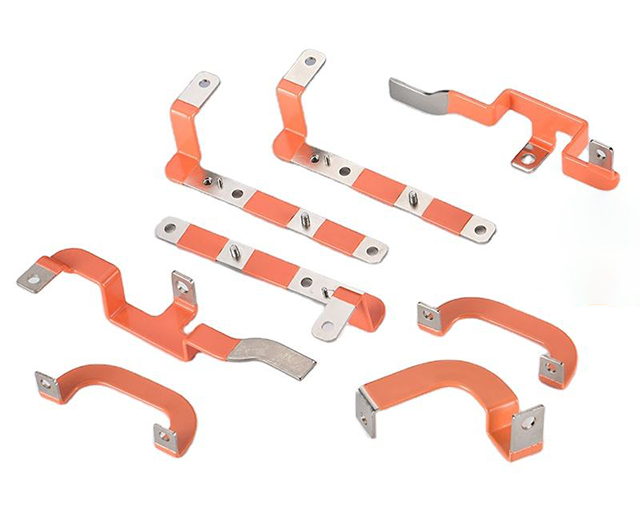
A flexible busbar is a type of electrical conductor designed to distribute power while allowing movement, bending, or vibration. Unlike traditional rigid busbars, which are made from solid metal bars, flexible busbars are constructed from multiple layers of copper or braided copper wires.
These conductors form a highly flexible structure that can handle high electrical currents while adapting to mechanical movement.
A typical Flexible Copper Busbar consists of:
Multiple thin copper foils or copper braids
Conductive terminals at each end
Optional insulation layers
Because of this design, flexible busbars can maintain reliable electrical busbar connections even in environments where vibration, thermal expansion, or installation limitations exist.
Flexible busbars are often used together with flexible busbar connectors to link different components within power systems.
The most common material used to manufacture flexible busbars is copper. Copper offers excellent electrical conductivity and durability, making it ideal for high-current electrical applications.
A laminated flexible busbar is made from multiple layers of thin copper foil stacked together and welded at the terminals. This structure allows the busbar to bend easily while maintaining strong electrical performance.
Advantages include:
High current carrying capacity
Reduced electrical resistance
Excellent heat dissipation
Another popular design is the flexible braided copper busbar, which is made from braided copper wires woven together to create a flexible conductor.
This type of flexible busbar connector is particularly suitable for applications that experience constant vibration or movement.
A flexible busbar functions as a conductive path that transfers electrical power between components. Instead of relying on traditional cables, busbars provide a compact and efficient method of distributing high current.
The flexible structure allows the busbar to:
Bend during installation
Absorb mechanical stress
Reduce pressure on electrical terminals
This improves the reliability of electrical busbar connections and reduces the risk of connection failure.
Flexible busbars are commonly used as power busbar connectors between devices such as batteries, inverters, transformers, and switchgear equipment.
Flexible busbars offer several important benefits compared with rigid busbars or traditional wiring systems.
Because they can bend and twist, flexible busbars can easily fit into compact electrical systems. This simplifies installation and reduces alignment issues.
In many electrical systems, equipment generates vibration. Flexible busbar connectors can absorb these vibrations, protecting electrical busbar connections from mechanical stress.
Flexible structures reduce the risk of cracking or loosening at connection points, improving the long-term reliability of the power busbar system.
Despite their flexible structure, flexible Copper Busbars can carry large electrical currents efficiently. This makes them suitable for demanding power applications.
Because flexible busbars can handle movement and temperature changes, they require less maintenance compared with rigid busbars.
Due to their adaptability and strong electrical performance, flexible busbars are widely used in many industries.
Electric vehicles use flexible busbar connectors to link battery cells and battery modules. These connectors must handle high current while allowing space for thermal expansion.
Large battery storage systems rely on flexible copper busbars to distribute power between battery modules, converters, and inverters.
Switchgear cabinets and distribution panels use flexible busbars to create reliable electrical busbar connections between components.
Solar inverters and wind power equipment often require flexible power busbar connectors to manage vibration and installation constraints.
Heavy machinery and industrial equipment frequently use flexible busbar connectors to connect motors, transformers, and power supplies.
Although both types perform the same basic function, there are several important differences between flexible busbars and rigid busbars.
Rigid busbars are typically solid copper or aluminum bars used in large power distribution systems. They provide excellent conductivity but cannot accommodate movement.
In contrast, flexible busbars offer superior adaptability and vibration resistance. This makes them ideal for dynamic systems such as EV batteries and industrial equipment.
In many modern designs, engineers combine rigid busbars for main power distribution with flexible busbar connectors for equipment connections.
When selecting a flexible busbar, several factors should be considered:
Current carrying capacity
Operating temperature
Installation space
Vibration conditions
Insulation requirements
Choosing the correct flexible copper busbar design ensures reliable electrical busbar connections and optimal system performance.
Manufacturers often customize busbars based on specific system requirements, including thickness, width, terminal design, and insulation materials.
A flexible busbar is an essential component in modern electrical systems. By combining high electrical conductivity with mechanical flexibility, it provides a reliable solution for connecting high-current equipment.
From electric vehicles and battery storage systems to industrial machinery and renewable energy installations, flexible busbars and flexible busbar connectors offer improved durability, easier installation, and greater design flexibility.
As power systems continue to evolve, the demand for advanced flexible copper busbars and efficient electrical busbar connections will continue to grow, making them a key technology in the future of electrical power distribution.

Copyright © 2026 G AND N FORTUNE LIMITED All rights reserved.