


 English

Blog

2026-03-12 10:29:22
In modern electrical systems, efficient power distribution is essential for maintaining safety, stability, and performance. One of the most important components used for this purpose is the Copper Busbar. Copper busbars are widely used in electrical panels, switchgear, battery systems, renewable energy equipment, and industrial power distribution systems.
Understanding what a copper busbar is and how it functions helps engineers, manufacturers, and system designers create more reliable electrical infrastructure. Due to their excellent electrical conductivity and durability, copper busbars have become the preferred solution for many high-current electrical applications.
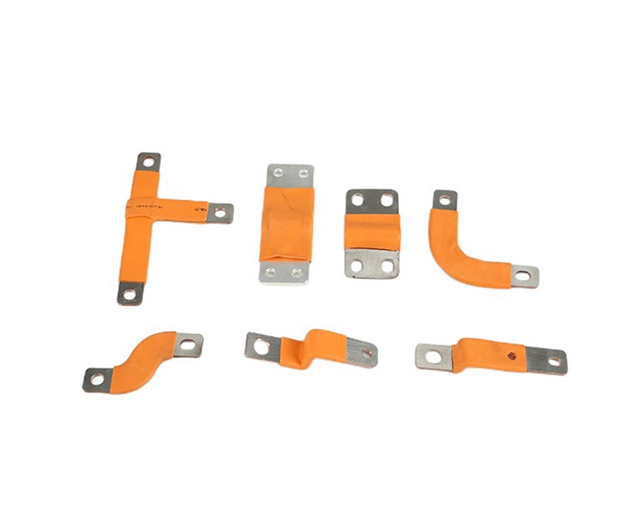
A copper busbar is a solid or laminated strip of copper used to conduct and distribute electricity within an electrical system. It acts as a central connection point that links multiple electrical circuits and components together.
Unlike traditional wiring, which uses insulated cables, busbars provide a more compact and efficient way to handle large electrical currents. A power busbar can carry significant amounts of electricity while maintaining low electrical resistance and excellent heat dissipation.
Typically, copper busbars are installed in electrical panels or equipment to create stable electrical busbar connections between components such as circuit breakers, transformers, inverters, and battery systems.
A typical copper busbar consists of several key elements designed to ensure strong electrical performance and mechanical stability.
The main body of the copper busbar is made from high-purity copper, which offers excellent electrical conductivity and thermal performance.
To enhance durability and prevent oxidation, manufacturers often apply surface treatments to copper busbars. Common plating options include:
Tin plating
Nickel plating
Silver plating
Tin-plated copper busbars are particularly popular because they improve corrosion resistance and maintain stable electrical busbar connections.
Most copper busbars include pre-drilled holes or terminals that allow them to connect with busbar connectors, bolts, or electrical components.
Some electrical busbars include insulation coatings to improve safety and reduce the risk of accidental electrical contact.
There are several reasons why copper busbars are widely used in modern electrical systems.
Copper is one of the best conductive metals available. This means copper busbars can carry large electrical currents with minimal energy loss.
Because copper has low electrical resistance, power busbars made from copper help improve system efficiency and reduce heat generation.
Copper also has high thermal conductivity, which helps distribute heat evenly across the busbar system. This reduces the risk of overheating in high-power electrical equipment.
Compared with other conductive materials, copper offers superior mechanical strength and durability. This makes copper busbars suitable for long-term use in demanding environments.
Because copper carries current more efficiently, copper busbars can be designed with smaller cross-sections while still supporting high current loads. This allows for more compact electrical equipment designs.
Producing high-quality copper busbars involves several precision manufacturing steps. These processes ensure that the busbar meets strict electrical and mechanical performance requirements.
The first step is cutting raw copper sheets or bars into the required size. Manufacturers often use:
CNC machining
Laser cutting
Punching machines
These processes produce accurate shapes for electrical busbars used in power systems.
After cutting, the copper pieces may be bent or formed to match the installation requirements. This is common when creating power busbars for compact electrical equipment.
To protect the copper busbar, surface plating such as tin or nickel is applied. This improves corrosion resistance and enhances electrical contact performance.
Mounting holes are drilled into the busbar to allow installation using bolts or busbar connectors. Edges are then smoothed to prevent electrical faults or mechanical damage.
Before delivery, each copper busbar undergoes quality testing to verify electrical conductivity, mechanical strength, and dimensional accuracy.
Because of their excellent conductivity and durability, copper busbars are widely used in many industries.
Electrical panels and switchgear rely on copper busbars to distribute electricity between circuit breakers and other components.
Electric vehicles use copper busbars to connect battery modules and power electronics. These Battery Busbar connections must carry high current safely and efficiently.
Battery energy storage systems require reliable electrical busbar connections to transfer power between battery cells, converters, and inverters.
Solar and wind power installations often use power busbars to manage high electrical loads generated by renewable energy sources.
Factories and heavy machinery depend on copper busbars to supply stable electrical power to motors, control systems, and automation equipment.
Although copper is the most common material for busbars, aluminum is sometimes used as an alternative.
Compared with Aluminum Busbars, copper busbars offer:
Higher electrical conductivity
Smaller size for the same current capacity
Better mechanical strength
More reliable electrical busbar connections
However, aluminum busbars are lighter and less expensive, which makes them suitable for large-scale power distribution systems.
For high-performance electrical equipment, copper busbars are usually the preferred choice.
A copper busbar is a critical component used to distribute electrical power efficiently within modern electrical systems. Thanks to its high conductivity, low resistance, and excellent thermal performance, the copper busbar is widely used in power distribution cabinets, EV battery systems, renewable energy equipment, and industrial machinery.
Compared with traditional wiring systems, copper busbars provide more reliable electrical busbar connections, improved efficiency, and better thermal management. As electrical systems continue to evolve, the demand for high-quality power busbars and advanced busbar connectors will continue to grow across many industries.

Copyright © 2026 G AND N FORTUNE LIMITED All rights reserved.