


 English

Blog

2026-03-12 10:39:01
In modern electrical systems, efficient power distribution is essential for maintaining stable performance and safety. One of the most important components used to manage electrical power in large systems is the electrical bus bar. Instead of using multiple wires to distribute electricity, many electrical systems rely on bus bars to deliver high current efficiently and reliably.
Understanding what an electrical bus bar is helps engineers, manufacturers, and system designers create safer and more organized electrical installations. Today, electrical bus bars are widely used in power distribution equipment, renewable energy systems, industrial machinery, and electric vehicles.
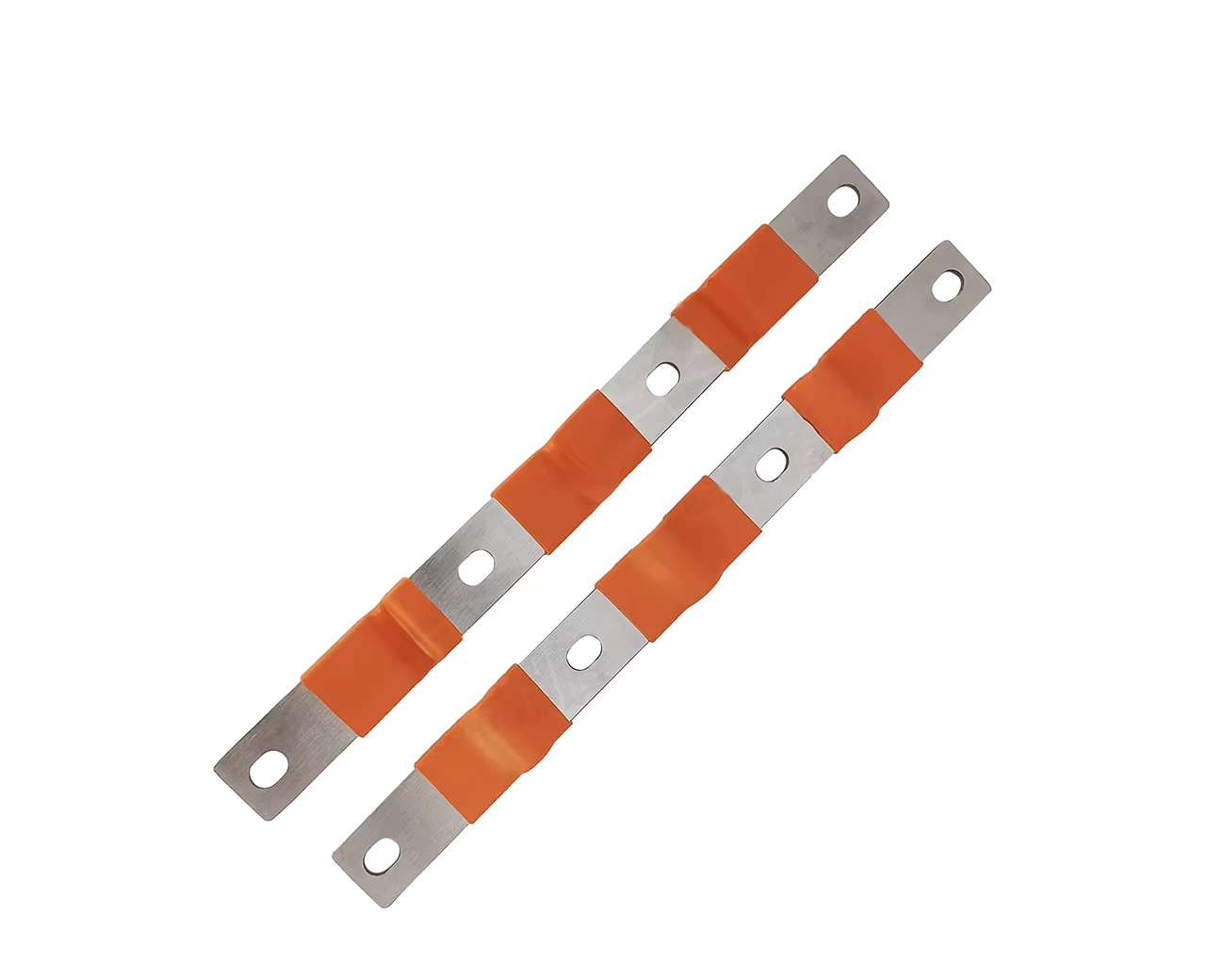
An electrical bus bar is a metallic conductor used to collect and distribute electrical power within a power system. It is typically made of highly conductive materials such as copper or aluminum and shaped into bars, strips, or plates.
The primary purpose of a power bus bar is to act as a central hub that connects multiple electrical circuits together. By using a bus bar system, electricity can flow efficiently from a power source to various electrical components.
Compared with traditional wiring systems, electrical bus bars offer better current handling capability, lower electrical resistance, and improved thermal performance.
These bus bars are commonly installed in electrical cabinets, switchgear assemblies, and battery systems to create reliable Electrical Busbar connections.
The performance of an electrical bus bar largely depends on the material used. The two most common materials are copper and aluminum.
A copper bus bar is widely used in electrical systems because of its excellent conductivity and durability. Copper can carry high current while maintaining low electrical resistance, making it ideal for demanding power applications.
Advantages of Copper Bus Bars include:
High electrical conductivity
Excellent thermal performance
Strong mechanical durability
Long service life
Because of these properties, copper bus bars are frequently used in high-performance power bus bar systems.
An aluminum bus bar is often used as a cost-effective alternative to copper. Although aluminum has lower electrical conductivity, it is lighter and more affordable.
Aluminum bus bars are commonly used in large power distribution installations where reducing weight and cost is important.
A typical electrical bus bar includes several components designed to ensure stable and efficient electrical performance.
The main body of the bus bar is a solid strip or plate made from copper or aluminum. This conductor carries the electrical current through the system.
Most bus bars contain pre-drilled holes that allow them to connect to other components using bolts or bus bar connectors.
To improve corrosion resistance and electrical contact quality, electrical bus bars are often plated with protective coatings such as:
Tin plating
Nickel plating
Silver plating
These treatments help maintain stable electrical busbar connections over long periods of operation.
Some power bus bars include insulation coatings or protective covers to prevent accidental electrical contact and improve safety.
An electrical bus bar functions as a central electrical conductor that distributes power from a main supply to multiple circuits.
Instead of running several individual wires from a power source, engineers install a bus bar system that allows multiple connections to branch off from the same conductive bar.
This design provides several benefits:
Simplified wiring structure
Reduced electrical resistance
Improved current distribution
Easier maintenance and expansion
Electrical components such as circuit breakers, switches, and transformers are connected directly to the bus bar, forming efficient electrical busbar connections.
Electrical bus bars offer several advantages compared with traditional cable-based systems.
Because of their large conductive cross-section, power bus bars can carry much higher current than standard electrical cables.
Electrical bus bars have lower resistance than wires, which reduces energy loss during power transmission.
Metal bus bars allow heat to spread across their surface, improving cooling performance in high-power systems.
Using bus bars simplifies electrical panel design and reduces cable clutter.
Because they are rigid and securely mounted, electrical busbar connections tend to be more stable and durable than many cable connections.
Because of their efficiency and reliability, electrical bus bars are used in many industries and applications.
Switchgear, electrical panels, and power distribution boards use bus bars to distribute electricity across circuits.
Electric vehicles rely on bus bars to connect battery modules and power electronics, ensuring efficient energy transfer.
Solar inverters and wind power systems use power bus bars to handle high current generated by renewable energy sources.
Battery energy storage installations use electrical busbar connections to distribute power between battery cells, inverters, and grid systems.
Factories and heavy industrial equipment use bus bar systems to deliver stable electrical power to motors and control systems.
Although cables are still widely used in electrical installations, bus bars provide several advantages in high-power environments.
Cables are flexible and easier to install in smaller systems. However, in high-current applications, electrical bus bars provide better electrical efficiency, improved heat dissipation, and a more organized system layout.
For large electrical panels and industrial power systems, power bus bars are often the preferred solution.
An electrical bus bar is a crucial component used to distribute electrical power efficiently within modern electrical systems. Made primarily from copper or aluminum, bus bars provide a reliable method of transferring large electrical currents while maintaining low resistance and excellent thermal performance.
From power distribution cabinets to electric vehicles and renewable energy installations, electrical bus bars play a vital role in ensuring safe and efficient electrical operation. As electrical systems continue to grow in complexity and capacity, the importance of well-designed power bus bar systems and durable electrical busbar connections will continue to increase.

Copyright © 2026 G AND N FORTUNE LIMITED All rights reserved.