


 English

Blog

2026-04-09 15:08:48
Copper Busbar is a critical component in electrical power distribution systems, widely used in switchgear, transformers, renewable energy systems, and industrial applications. Understanding what is the standard for copper busbar is essential for ensuring safety, conductivity, and long-term performance.
In this article, we will explain the main copper busbar standards, their requirements, and how to choose the right copper busbar for your project.
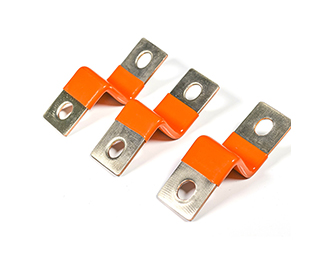
A copper busbar (also known as copper bus bar) is a solid conductor made of high-purity copper used to distribute electricity efficiently within electrical systems.
Common types include:
bare copper busbar
tin plated copper busbar
insulated copper busbar
Due to its excellent conductivity and durability, copper busbar is widely used in power distribution, EV systems, battery storage, and industrial equipment.
The standard for copper busbar ensures that the product meets specific requirements such as:
Electrical conductivity
Mechanical strength
Dimensional accuracy
Surface quality
Safety and reliability
Without proper standards, a copper busbar may cause overheating, energy loss, or even system failure.
Different regions follow different standards for copper busbar manufacturing. Below are the most commonly used standards:
ASTM B187 – Standard specification for copper bus bars
ASTM B152 – Copper sheet, strip, and plate
These standards define:
Material grade (e.g., C11000 copper busbar)
Conductivity (≥100% IACS)
Mechanical properties
Dimensional tolerances
ASTM standards are widely used by copper busbar manufacturers and copper busbar suppliers globally.
EN 13600 – Copper and copper alloy rods and busbars
This standard focuses on:
Material composition
Mechanical performance
Dimensional accuracy
GB/T 5585 – Copper and Aluminum Busbars for electrical use
GB/T 5231 – Copper material grades
These are commonly used by copper busbar factory and copper busbar manufacturer China.
IEC standards mainly cover electrical performance and safety requirements
They ensure compatibility in global electrical systems.
A qualified copper busbar must meet the following criteria:
High purity copper (≥99.9%)
Common grade: electrolytic copper busbar
Typically ≥97%–100% IACS
Ensures efficient power transmission
Thickness, width, and length must meet strict tolerances
Important for custom copper busbar applications
bare copper busbar
tin plated copper busbar
nickel plated copper busbar
Surface coating improves corrosion resistance and lifespan.
High strength and flexibility
Suitable for bending, stamping, and machining
When selecting a copper busbar supplier or product, consider:
Target market (ASTM, EN, or GB standard)
Application (power distribution, EV, energy storage)
Required conductivity and current load
Whether custom machined copper busbar is needed
Surface treatment requirements
For international projects, ASTM or EN standards are generally preferred.
A high-quality copper busbar is used in:
Power distribution systems
Switchgear and control panels
Renewable energy (solar & wind)
Electric vehicles (EV battery systems)
Industrial machinery
Working with a professional copper busbar manufacturer or copper busbar supplier ensures:
Compliance with international standards
Stable product quality
Customization capabilities
Fast delivery and technical support
Many copper busbar manufacturers also provide:
CNC machining
punching and bending
insulation coating
custom design solutions
Understanding what is the standard for copper busbar is essential for selecting the right product and ensuring system safety.
Standards such as ASTM B187, EN 13600, and GB/T 5585 define the material, conductivity, and performance requirements of copper busbars, helping engineers and buyers make informed decisions.
Whether you need a bare copper busbar, tin plated copper busbar, or custom copper busbar, always choose products that comply with recognized standards for reliable and efficient performance.

Copyright © 2026 G AND N FORTUNE LIMITED All rights reserved.