


 English

Blog

2026-04-09 15:34:25
When designing electrical systems, one of the most common questions is how to find area of Copper Busbar. The cross-sectional area of a copper busbar plays a critical role in determining current capacity, electrical resistance, and overall system efficiency.
In this guide, we will explain how to calculate the copper busbar area, provide formulas, and show practical examples for real-world applications.
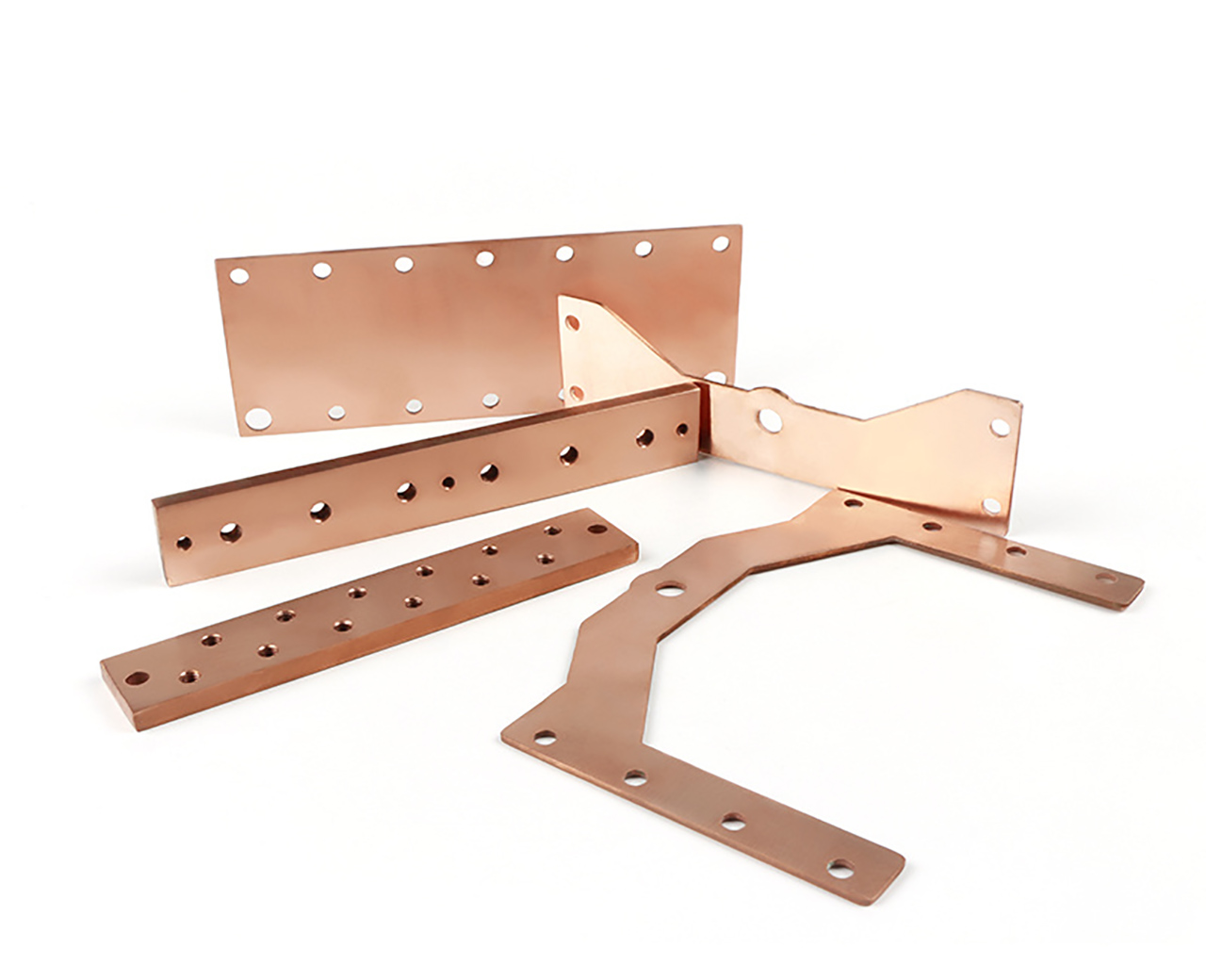
The area of a copper busbar refers to its cross-sectional area, which is the surface exposed when the busbar is cut perpendicular to its length.
This value is essential for:
Determining current carrying capacity (ampacity)
Calculating electrical resistance
Designing power distribution systems
In most cases, a copper busbar has a rectangular shape, making the calculation simple.
For a standard rectangular copper busbar, the formula is:
Area (A) = Width (W) × Thickness (T)
Where:
Width is measured in mm
Thickness is measured in mm
The result is typically expressed in mm²
Let’s take a common copper busbar size:
Width = 50 mm
Thickness = 10 mm
Copper busbar area = 50 × 10 = 500 mm²
This means the busbar has a cross-sectional area of 500 square millimeters, which directly affects its current carrying capacity.
Although most Copper Busbars are rectangular, other shapes may be used in special applications.
A = W × T
A = π × r²
Total Area = Single Busbar Area × Quantity
This is often used in high current copper busbar systems.
The copper busbar area is directly related to performance in electrical systems.
A larger busbar area allows:
Higher current flow
Lower resistance
Reduced heat generation
This is why selecting the correct copper busbar size is critical.
A properly sized copper busbar reduces:
Energy loss
Voltage drop
Smaller busbars may overheat, while larger ones maintain stable temperatures.
When selecting a custom copper busbar, consider:
Required current (ampacity)
Installation environment
Cooling conditions
Safety standards
Professional Copper Busbar Manufacturers and Copper Busbar Suppliers can help calculate the optimal size based on your application.
Experienced copper busbar manufacturers recommend:
Always calculate area before selecting materials
Use high-quality electrolytic copper busbar for better conductivity
Consider surface treatment like tin plated copper busbar for corrosion resistance
Work with a reliable copper busbar supplier for custom designs
A properly designed copper busbar is widely used in:
Power distribution systems
Electrical panels and switchgear
Renewable energy systems (solar & wind)
Electric vehicle battery systems
Industrial equipment
Understanding how to find area of copper busbar is essential for electrical design and system performance.
The key takeaway:
The area of a copper busbar is calculated by multiplying its width and thickness (A = W × T).
By selecting the correct copper busbar size, you can ensure efficient power transmission, reduced heat generation, and long-term reliability.

Copyright © 2026 G AND N FORTUNE LIMITED All rights reserved.