


 English

Blog

2026-04-09 16:12:32
In modern electrical systems, many engineers and buyers ask: why we use busbar instead of cables? Both busbar and cables are used for power transmission, but they serve different purposes depending on current load, system design, and efficiency requirements.
In high-power applications, Copper Busbar is often preferred over traditional cables due to its superior electrical performance, better heat dissipation, and compact structure.
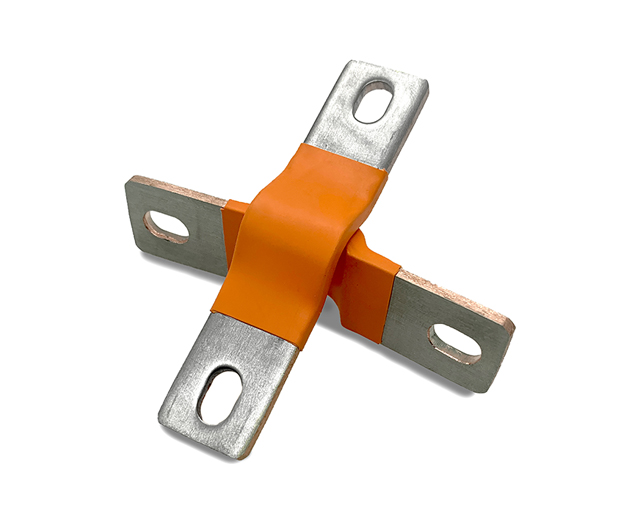
A busbar (also known as an electrical busbar or copper busbar) is a solid conductor used to distribute electricity within a system.
Common types include:
bare copper busbar
tin plated copper busbar
insulated copper busbar
Professional Copper Busbar Manufacturers and Copper Busbar Suppliers provide customized solutions for different industries.
Understanding the difference between busbar vs cable helps explain why busbars are widely used in high-current systems.
| Feature | Busbar | Cable |
|---|---|---|
| Conductivity | High (solid conductor) | Lower (stranded) |
| Current Capacity | Very high | Moderate |
| Heat Dissipation | Excellent | Limited |
| Installation | Fixed and structured | Flexible |
| Maintenance | Easy to inspect | More complex |
This is why busbar systems are widely used in industrial and power applications.
A copper busbar can carry much higher current compared to cables of similar size.
Lower electrical resistance
Higher conductivity
Stable performance
Ideal for high-power distribution systems.
Unlike cables, a busbar:
Has a larger exposed surface area
Dissipates heat more efficiently
This reduces overheating and improves system safety.
In electrical busbar systems:
Voltage drop is lower
Energy efficiency is higher
This makes copper busbar the preferred choice for energy-intensive applications.
Compared to cables, busbar systems offer:
Clean and structured layout
Space-saving installation
Improved system aesthetics
A properly designed busbar system:
Has fewer connection points
Reduces failure risk
Ensures long-term stable operation
Although busbars have many advantages, cables are still suitable in certain scenarios:
Long-distance transmission
Complex routing environments
Applications requiring flexibility
In many systems, busbar and cable are used together.
A high-quality copper busbar is widely used in:
Power distribution panels
Switchgear systems
Renewable energy systems (solar & energy storage)
Electric vehicles (EV battery systems)
Industrial automation equipment
Working with a professional copper busbar manufacturer ensures:
High-quality materials (electrolytic copper busbar)
Compliance with international standards
Custom design and machining support
Reliable delivery and technical service
Many copper busbar suppliers offer custom copper busbar solutions tailored to your project requirements.
So, why we use busbar instead of cables?
The answer is clear:
Busbars provide higher current capacity, better heat dissipation, lower energy loss, and a more reliable and compact electrical system compared to cables.
For high-power applications, copper busbar is the industry-preferred solution, while cables are still useful for flexible and long-distance connections.

Copyright © 2026 G AND N FORTUNE LIMITED All rights reserved.