


 English

Blog

2026-05-14 11:20:41
Laminated busbars are advanced electrical conductors designed for high-current power distribution systems. They are made by stacking multiple layers of copper foils or copper sheets, separated by insulating materials and then laminated into a compact, integrated structure. This design is also known as a laminated Copper Busbar or laminated Flexible Busbar, widely used in modern power electronics and electrical engineering systems.
Compared with traditional rigid conductors, laminated busbars offer lower inductance, better thermal performance, and higher system efficiency, making them an ideal solution for compact and high-performance electrical applications.
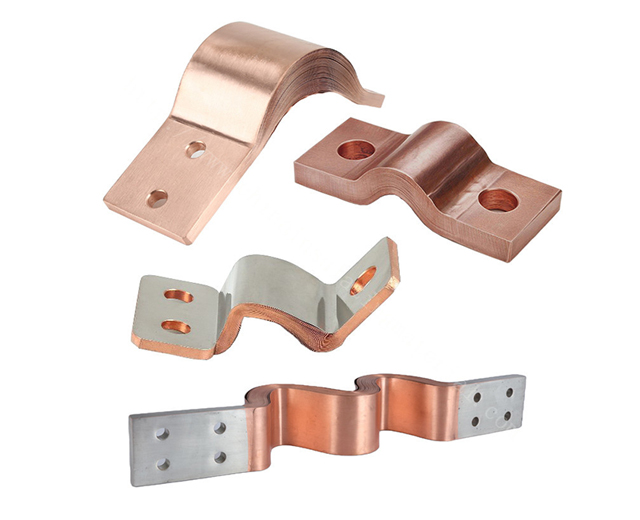
In simple terms, a laminated busbar in an electrical system is a structured power distribution component used to replace bulky wiring or single-piece copper bars. In a Panel Board Busbar System, laminated designs help distribute current more evenly while reducing electrical losses and electromagnetic interference.
A typical electrical copper bus bar in laminated form consists of:
Multiple copper conductive layers
Insulating dielectric sheets between layers
Press-laminated structure for mechanical stability
Optional tin or silver plating for corrosion resistance
A copper laminated busbar provides several performance advantages over traditional busbars:
Low inductance design: Reduces voltage spikes and EMI in high-speed switching systems
High current capacity: Supports from 100A up to 5000A depending on design
Improved thermal management: Even heat distribution reduces hotspot risk
Compact structure: Saves installation space in electrical panels
High reliability: Stable performance under vibration and thermal cycling
These benefits make laminated flexible busbars essential in advanced electrical systems where efficiency and stability are critical.
The busbar lamination process involves several precise manufacturing steps:
Copper Layer Preparation: Thin copper foils are cut to required dimensions
Insulation Layering: Dielectric materials are placed between copper layers
Press Lamination: High temperature and pressure bond the layers into a solid structure
Shaping and Forming: The laminated structure is bent or formed as required
Surface Finishing: Tin or silver plating is applied for better conductivity and corrosion resistance
Testing: Electrical, thermal, and mechanical performance tests ensure quality
This process ensures that laminated copper busbars deliver both electrical efficiency and structural reliability.
Flexible laminated busbars are widely used across multiple industries:
Electric Vehicles (EV): Battery pack interconnections with low resistance and high reliability
Renewable Energy Systems: Solar inverters and wind power converters
Industrial Power Distribution: Switchgear, UPS systems, and motor drives
Data Centers: High-current DC bus systems for stable power delivery
Aerospace & Defense: Lightweight, vibration-resistant electrical systems
In all these applications, copper laminated busbars help improve efficiency, reduce losses, and enhance system stability.
The best material for a busbar is generally high-conductivity copper, especially in laminated designs. Compared to aluminum, copper offers:
Higher electrical conductivity (≈98% IACS)
Better thermal performance (efficient heat dissipation)
Greater mechanical strength for short-circuit conditions
Longer service life and better reliability
This is why most laminated busbar manufacturers and copper laminated busbar manufacturers prefer copper as the core material.
Modern industries often require custom copper busbars for panel boards based on application needs. Leading Flexible Copper Busbar manufacturers provide:
Custom thickness and layer configuration
Tin-plated or silver-plated surface options
Flexible or rigid laminated structures
High-voltage and high-current design support
Many global laminated busbar manufacturers in India and worldwide also offer engineering support for optimized electrical performance.
So, what are laminated busbars?
They are high-performance electrical conductors made from multiple laminated copper layers with insulation, designed to deliver efficient, low-inductance, and high-reliability power distribution. As a modern alternative to traditional wiring, laminated copper busbars play a key role in EV systems, renewable energy, industrial power networks, and advanced electronics.

Copyright © 2026 G AND N FORTUNE LIMITED All rights reserved.