


 English

Solid Copper Busbar
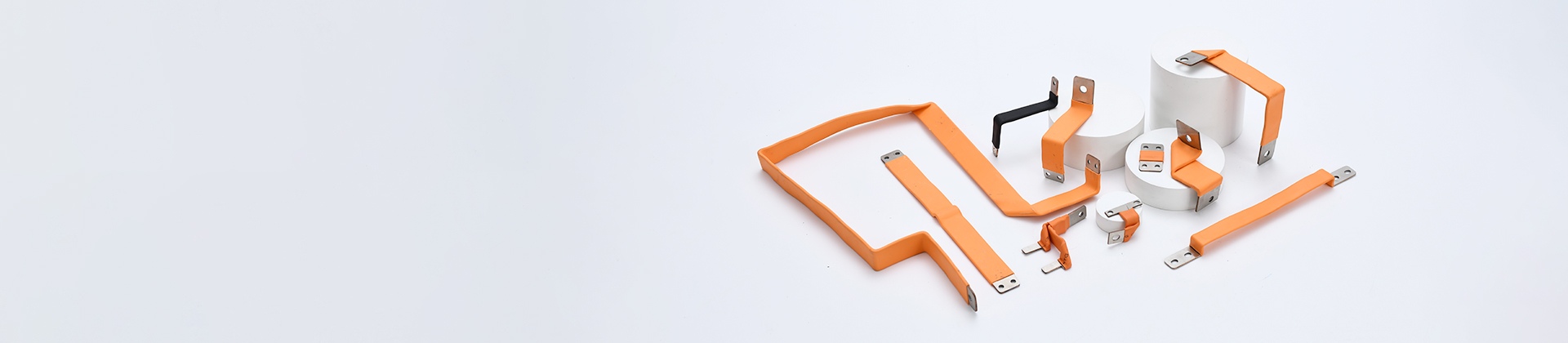
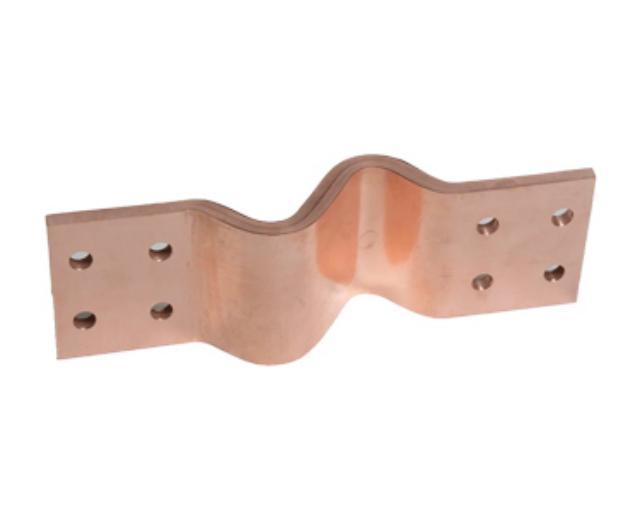
A copper busbar for battery pack is a conductive metal strip or plate used to connect battery cells and modules within a battery system. It acts as a battery busbar connector, enabling efficient electrical current flow between individual battery components.
Unlike traditional cables, battery Copper Busbars provide a compact and low-resistance solution for managing high electrical currents. These busbars are typically made from high-purity copper and may include surface treatments such as nickel plating to improve durability and corrosion resistance.
In most battery systems, battery pack busbars serve several key functions:
Connecting battery cells within a module
Linking multiple battery modules together
Providing stable electrical busbar connections
Supporting high current transmission in battery systems
Because of their high conductivity and durability, copper busbars for battery packs are widely used in electric vehicles, energy storage systems, and industrial battery equipment.

| Parameter | Specification |
|---|---|
| Material | T2 Pure Copper (≥99.9%) |
| Type | Solid, Laminated, Flexible |
| Cross-section Size | 10 mm² – 3000 mm² (customizable) |
| Thickness | 1 mm – 10 mm |
| Width | 5 mm – 50 mm |
| Length | Up to 1000 mm |
| Surface Finish | Bare, Tin-plated, Nickel-plated, Silver-plated |
| Insulation Option | Heat shrink tubing, Epoxy coating, PET layer (optional) |
| Voltage Rating | Up to 1000V DC |
| Current Rating | 50A – 1000A (depending on design) |
| Operating Temperature | -40°C to +125°C |
| Tensile Strength | ≥200 MPa |
| Hole Customization | CNC drilling, slotting, multi-layer stacking |
| Applications | EV battery modules, BMS, ESS, solar storage battery packs |
| Certifications | ISO 9001, RoHS, UL (on request) |
The performance of a battery copper busbar largely depends on the material used. Copper is the most common material due to its excellent electrical and thermal properties.
Most battery pack copper busbars are made from high-purity copper. Copper provides:
Excellent electrical conductivity
Low electrical resistance
High current carrying capacity
Superior heat dissipation
These characteristics make copper ideal for high current battery busbar applications.
In many battery systems, the copper busbar is coated with nickel to create a nickel plated copper busbar. This plating improves corrosion resistance and protects the copper surface from oxidation.
Nickel plated copper busbars are especially useful in lithium battery packs where long-term reliability is essential.
A typical battery pack busbar includes several design features to ensure stable electrical performance.
The main part of the copper busbar for battery pack is a flat copper strip designed to carry high current efficiently.
The busbar includes mounting holes or terminals that allow it to connect directly to battery cells or modules. These connection points form reliable battery busbar connectors.
To enhance durability, many battery copper busbars undergo surface treatments such as:
Nickel plating
Tin plating
Silver plating
These coatings improve conductivity and protect the busbar from environmental damage.
In some battery pack designs, the busbar may include an insulation layer to prevent electrical short circuits and improve safety.
Using copper busbars in battery systems offers several important advantages compared with traditional cable connections.
Battery systems often require the transfer of large electrical currents. A high current battery busbar can handle these loads efficiently while maintaining low electrical resistance.
Because copper has excellent conductivity, battery copper busbars reduce energy loss and improve overall system efficiency.
Compared with cables, battery pack busbars allow engineers to design more compact battery systems.
Copper has excellent thermal conductivity, which helps distribute heat generated during battery operation.
Using copper busbar connectors ensures stable and durable battery busbar connections over long periods of operation.
Producing a high-quality copper busbar for battery pack involves several precision manufacturing steps.
The first step is cutting copper sheets or plates into the required size. Manufacturers commonly use:
CNC machining
Laser cutting
Precision stamping
These methods ensure accurate dimensions for battery pack copper busbars.
The copper pieces are then bent or shaped to match the battery pack structure. This process is particularly important for custom battery pack busbars used in specialized battery designs.
The busbar is coated with nickel, tin, or other protective materials to improve corrosion resistance and maintain stable electrical contact.
Mounting holes are drilled to create battery busbar connectors that can easily attach to battery cells or modules.
Manufacturers test each battery copper busbar to ensure it meets strict electrical conductivity, durability, and dimensional standards.
Because of their excellent performance, copper busbars for battery packs are used in many industries.
Electric vehicles rely on EV battery busbars to connect battery modules and power electronics. These battery pack busbars must handle high current loads safely and efficiently.
Large-scale energy storage systems use battery copper busbars to transfer power between battery modules and inverters.
Many consumer electronics and industrial devices use lithium battery busbars to connect battery cells within compact battery packs.
Solar power storage systems require reliable battery pack busbar connectors to manage energy flow from batteries to inverters.
When selecting a copper busbar for battery pack, several factors should be considered:
Required current capacity
Busbar thickness and width
Surface plating type
Battery pack structure
Operating temperature
Working with a professional custom copper busbar manufacturer ensures that the busbar design meets the specific requirements of the battery system.
Q1: Can you customize copper busbars for EV battery modules?
A1: Yes. We provide full customization including size, shape, hole positions, plating, insulation, and flexible or solid designs.
Q2: What type of copper do you use?
A2: T2 pure copper (≥99.9%) for high conductivity and low resistance.
Q3: Do you offer both solid and flexible battery busbars?
A3: Yes. We supply Solid Copper Busbar for Battery Pack, laminated, and Flexible Copper Busbar for Battery Pack options.
Q4: What are the benefits of tin or nickel plating?
A4: Tin improves oxidation resistance and weldability; nickel enhances protection in high-temperature or corrosive conditions.
Q5: Can I get a prototype before mass production?
A5: Yes. We offer low MOQ, fast sampling, and OEM support for prototypes.

Copyright © 2026 G AND N FORTUNE LIMITED All rights reserved.