


 English

Flexible Copper Busbar
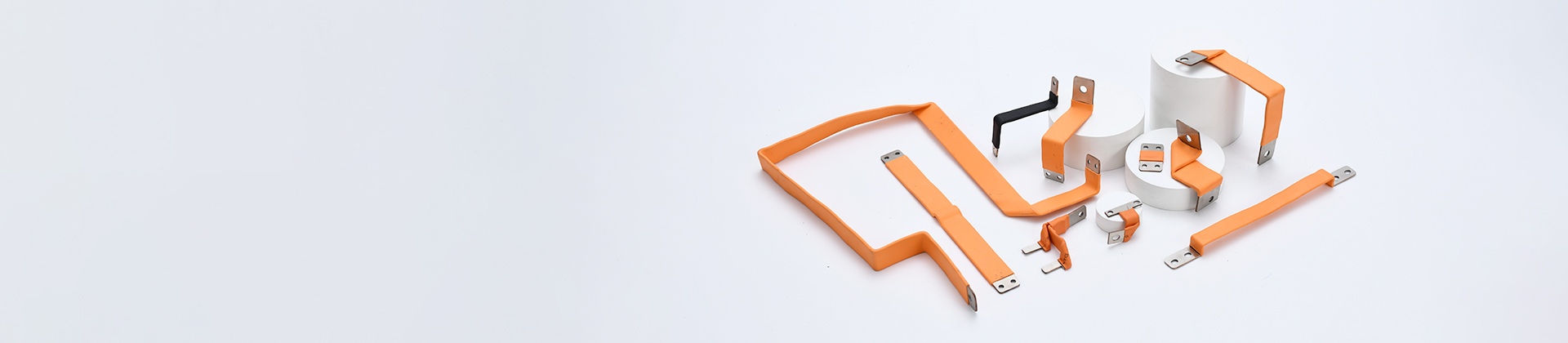
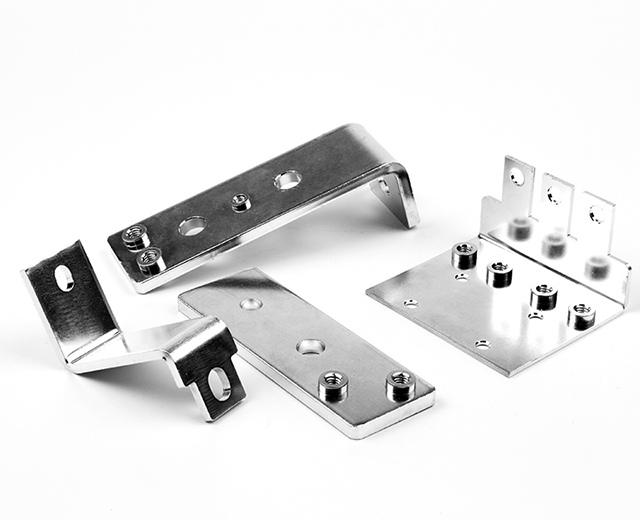
A tinned bus bar is a high-performance electrical conductor made from copper with a thin layer of tin coating applied to its surface. Also known as a tinned Copper Busbar, tinned copper flat bar, or busbar tinned copper, it is designed to improve corrosion resistance, enhance solderability, and provide long-term reliability in demanding electrical applications.
Compared with standard Copper Busbars, a copper tinned busbar combines the excellent electrical conductivity of copper with the protective properties of tin, making it ideal for power distribution systems, switchgear, battery connections, electrical panels, renewable energy equipment, and industrial machinery.
As an experienced tinned busbar manufacturer, we provide customized tinned Copper Busbar solutions with different sizes, tin plating thicknesses, and surface treatments to meet various electrical and industrial requirements.
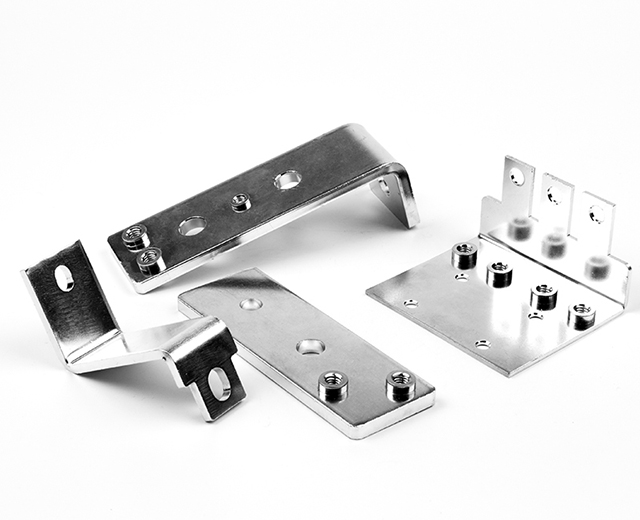
A tinned bus bar is a copper conductor coated with a uniform layer of tin to protect the copper surface from oxidation and corrosion.
The copper core provides:
High electrical conductivity
Low electrical resistance
Excellent current carrying capability
Efficient heat dissipation
The tin coating provides:
Corrosion resistance
Oxidation protection
Improved solderability
Better contact reliability
A tinned Copper Busbar is widely used in applications where stable electrical performance is required under harsh environmental conditions, including humidity, temperature changes, and long-term operation.
The production of a tinned bus bar involves several precise steps to ensure optimal performance:
Material Selection
High-conductivity copper sheets or flat bars are chosen for excellent electrical performance.
Cutting & Shaping
Copper is cut, stamped, or machined to specific thickness, width, and length requirements.
Surface Preparation
The copper surface is cleaned and polished to remove oxides and impurities, ensuring optimal tin adhesion.
Tinning Process
The copper busbar is coated with tin through hot-dip tinning, electroplating, or solderable coating methods, forming a uniform protective layer.
Inspection & Quality Testing
Each hdhc tinned copper busbar is tested for adhesion, conductivity, surface uniformity, and current-carrying capacity before shipment.
This process produces a copper tinned busbar that combines the high conductivity of copper with the corrosion resistance and solderability of tin.
| Parameter | Specification |
|---|---|
| Product Name | Tinned Bus Bar |
| Material | High conductivity copper |
| Copper Grade | C1100 / C1020 |
| Surface Treatment | Tin plating |
| Tin Coating Thickness | 2μm - 10μm (Customized) |
| Thickness | 1mm - 12mm |
| Width | 10mm - 100mm |
| Current Capacity | 50A - 3000A (Depending on design) |
| Voltage Rating | Up to 1500V |
| Operating Temperature | -40℃ to +125℃ |
| Surface Finish | Tin plated, smooth coating |
| Insulation Options | PVC, epoxy coating (Optional) |
| Manufacturing Process | Cutting, punching, bending, plating |
| Customization | OEM / ODM available |
| Material | Description | Application |
| C1100 Copper | High conductivity and low resistance | Power distribution and electrical connections |
| C1020 Copper | High purity copper with excellent conductivity | Battery and industrial applications |
| Tin Coating | Protective surface layer | Oxidation prevention and solderability improvement |
| PVC / Epoxy Coating | Optional insulation layer | Electrical protection |
Tinned bus bars and tinned copper flat bars are widely used in:
Switchgear & Control Panels – Safe and reliable power distribution.
Battery Banks & Battery Packs – EVs, UPS, and energy storage systems.
Industrial Electrical Panels – Machinery, motors, and high-current circuits.
Renewable Energy Systems – Solar inverters, wind power converters.
Automotive & EV Applications – EV battery connections, modular busbar systems.
Ensure proper torque for all connections to prevent overheating.
Avoid bending beyond the specified radius to protect tin coating.
Keep surfaces clean from oil, dust, or debris.
Inspect periodically for corrosion or mechanical damage.
Apply additional insulation where required for safety compliance.
Proper installation and regular inspection ensure long-term reliability and electrical safety.
As a leading bus bar manufacturer, our tinned busbars stand out due to:
High-Quality Materials – Premium copper and HDHC tin coatings for superior conductivity and durability.
Custom Fabrication – Thickness, width, length, and mounting options tailored to your specifications.
Advanced Manufacturing – Hot-dip tinning and electroplating ensure uniform coating and reliable performance.
Global Compliance – ISO9001, RoHS, UL-certified production processes.
Technical Support & Fast Delivery – OEM/ODM capabilities with expert engineering support for complex applications.
Our tinned copper busbars deliver corrosion resistance, high performance, and long-term reliability compared to standard copper busbars from other suppliers.
Q1: What is a tinned bus bar?
A: A tinned bus bar is a copper busbar coated with tin to prevent oxidation, improve solderability, and extend service life.
Q2: What is the difference between a copper busbar and a tinned copper busbar?
A: A tinned copper busbar adds a tin layer for corrosion protection and easier soldering, while a standard copper busbar is prone to oxidation.
Q3: Can you customize tinned busbars?
A: Yes, we offer custom thickness, width, length, and plating options.
Q4: What are the typical applications?
A: Switchgear, battery banks, EV battery packs, industrial panels, and renewable energy systems.
Q5: How do I maintain a tinned bus bar?
A: Inspect regularly, ensure proper torque, avoid excessive bending, and keep surfaces clean to maintain performance.

Copyright © 2026 G AND N FORTUNE LIMITED All rights reserved.