


 English

Flexible Copper Busbar
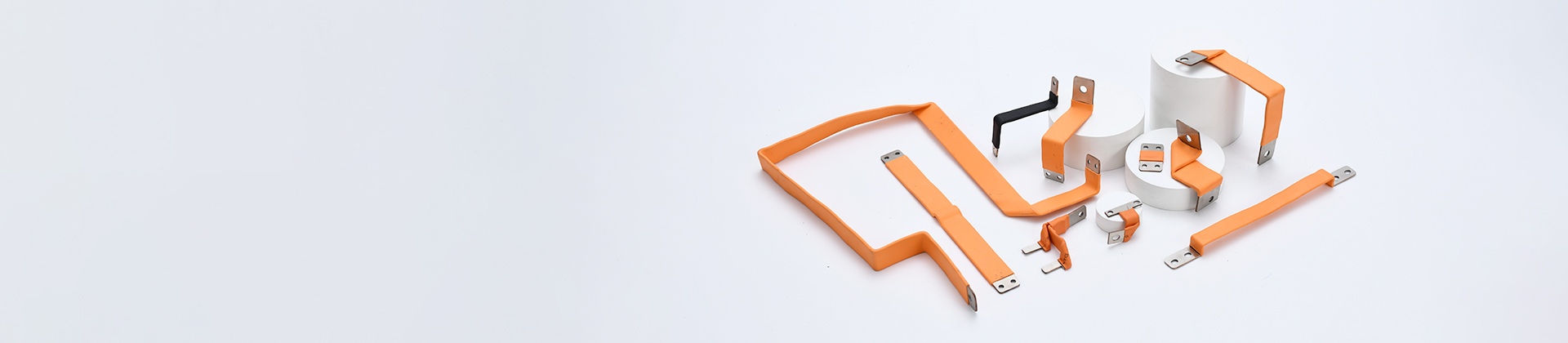
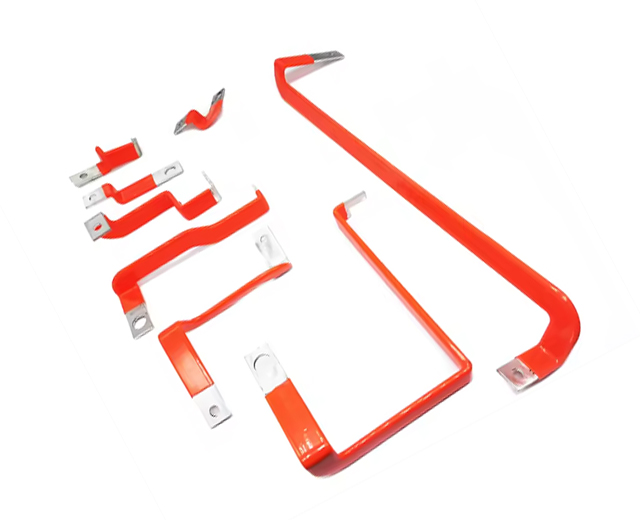
A busbar electrical system is a critical component in modern power distribution networks, providing a safe, efficient, and reliable method for transferring high electrical currents between different components. Compared with traditional cable wiring systems, an electrical bus bar offers lower resistance, better current distribution, improved heat dissipation, and a more compact installation structure.
From industrial switchgear and renewable energy systems to electric vehicle battery packs and energy storage solutions, busbar electrical products play an essential role in ensuring stable power transmission and long-term system reliability.
As a professional busbar manufacturer and supplier, we provide customized electrical bus bar solutions including Copper Busbar, Aluminum Busbar, tinned Copper Busbar, laminated busbar, and flexible busbar designs for global industrial applications.

A busbar is a metallic conductor, usually made of copper or aluminum, that distributes electrical power within electrical equipment, switchboards, battery systems, and power distribution units.
In a busbar in electrical power system, the busbar acts as a central connection point that allows multiple circuits to receive power from a single source while maintaining efficient current flow.
Compared with traditional cable connections, a bus bar system provides:
Higher current carrying capacity
Lower electrical resistance
Better thermal performance
Simplified electrical layout
Easier installation and maintenance
The wide conductive surface area of a busbar enables efficient power transmission while reducing energy losses.
An electrical bus bar works by providing a low-resistance pathway for electrical current between power sources and connected devices.
The operating process includes:
Electrical current enters the busbar from the power source.
The conductive metal structure distributes current to multiple circuits.
Connected components receive stable electrical power.
Heat generated during operation is efficiently dissipated.
A properly designed busbar electrical system helps maintain stable voltage, reduce overheating risks, and improve overall electrical efficiency.
A copper busbar offers excellent conductivity, heat dissipation, and mechanical strength. It is widely used in:
Industrial switchgear
Power distribution cabinets
Inverters and UPS
Battery energy storage systems
Copper is preferred when performance and durability are top priorities.
An aluminum busbar provides a lightweight and cost-effective alternative. It is ideal for:
Large power systems
Renewable energy installations
Commercial and building electrical infrastructure
Aluminum is easier to shape and provides outstanding cost-to-performance value.
A tinned copper busbar features a protective tin coating that enhances corrosion resistance. It is widely used in:
Marine industry
Outdoor electrical systems
High humidity environments
Battery and energy storage technology
Tin plating provides long-term stability and prevents oxidation.
| Parameter | Specification |
|---|---|
| Product Name | Busbar Electrical |
| Materials | Copper, Aluminum, Tinned Copper |
| Copper Grade | T2, C1100, C1020 |
| Aluminum Grade | 6061, 6063, 6101 |
| Surface Treatment | Tin plating, nickel plating, silver plating |
| Thickness | Customized |
| Width | Customized |
| Current Capacity | Customized according to design |
| Voltage Rating | Low and medium voltage applications |
| Insulation | PVC, epoxy, PET, polyimide |
| Manufacturing Process | Cutting, punching, bending, CNC machining |
| Application | EV, ESS, power distribution, industrial equipment |
As a professional busbar manufacturer, we offer complete capabilities for standard and customized production:
CNC machining
Precision bending & punching
Laminated busbar production
Tin, silver, or nickel plating
Choose from:
Pure copper (C1100/C1020)
T2 copper
Aluminum 6061/6063
Tinned copper busbars
Laminated flexible busbars
High conductivity materials
Strong mechanical strength
Low temperature rise design
Compliance with IEC, UL, and RoHS
As a custom busbar factory, we support:
Custom shapes & dimensions
Prototyping
OEM/ODM projects
Small batch or mass production
We provide:
Busbar wholesale support
Competitive factory pricing
Global shipping
Fast lead time
As a trusted copper busbar supplier, we ensure consistent quality, straightness, surface finish, and precise tolerances for all applications.
Our electrical bus bar products are widely used in:
Power distribution systems
Industrial equipment
Solar and wind power systems
Electric vehicle battery modules
UPS and data center systems
Inverter & rectifier assemblies
Railway and substation equipment
A high-quality busbar electrical system ensures reliable current transmission, reduced energy loss, and long-term stability for all types of electrical equipment. Whether you need a durable copper busbar, lightweight aluminum busbar, corrosion-resistant tinned copper busbar, or advanced laminated solutions, our company is ready to support your project with professional engineering and manufacturing capability.
A busbar electrical system is a power distribution structure that uses metal conductors to transfer electrical current efficiently between different electrical components.
Common materials include copper, aluminum, and tinned copper. The selection depends on conductivity, weight, cost, and environmental requirements.
Electrical bus bars are used in power distribution systems, EV batteries, energy storage systems, industrial equipment, switchgear, and renewable energy applications.
A busbar provides a rigid and compact current path with lower resistance and better heat dissipation compared with traditional cable wiring.
Yes. Professional busbar manufacturers can customize dimensions, materials, plating, insulation, and connection structures according to customer requirements.

Copyright © 2026 G AND N FORTUNE LIMITED All rights reserved.