


 English

Blog

2025-12-02 08:58:51
A 12V bus bar is a compact electrical distribution component used to manage and deliver 12-volt power efficiently within low-voltage systems. It serves as a centralized connection point where multiple circuits, wires, or loads are connected, ensuring clean, organized, and stable power distribution. Whether in automotive, marine, solar, or industrial equipment, a 12V busbar helps simplify wiring, reduce voltage drop, and enhance system safety.
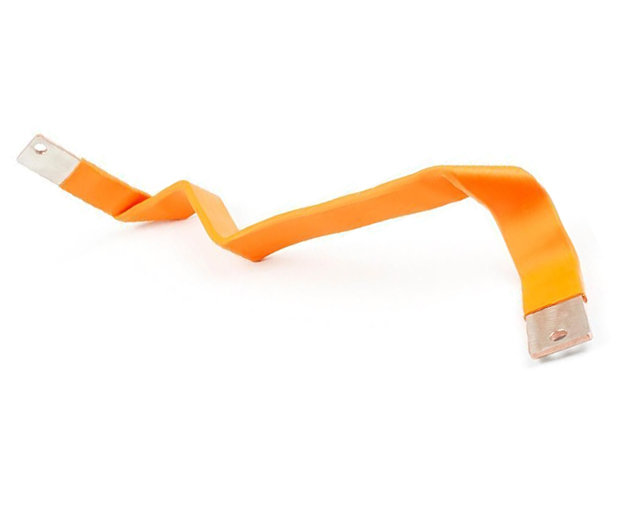
A bus bar 12V is a conductive bar—usually made from copper or tinned copper—that distributes 12-volt DC power to various electrical loads. It functions as a stable power hub, allowing multiple positive or negative wires to be connected through a single bar instead of running individual cables directly from the power source.
In simple terms, a 12V bus bar replaces complex wiring with a single distribution point.
A 12V power distribution bus bar sends electrical power from a battery or DC supply to multiple devices such as lights, sensors, motors, pumps, or controllers.
Negative bus bars act as a common grounding point, improving system stability.
Allows organized connection of multiple circuits without overcrowding terminals.
A 12V bus bar fuse block includes individual fuses for each circuit, enhancing safety.
High-conductivity copper minimizes resistance and loss.
Keeps wiring neat and allows easy troubleshooting.
Distributes positive DC voltage to multiple loads.
Provides common grounding for return currents.
Features an insulated base to prevent accidental grounding.
Each connection is fused for safety—ideal for boats, cars, and RVs.
Made with corrosion-resistant tinned copper for harsh environments.
Used for 12V car accessories, LED lights, relays, audio systems, and control units.
A marine-grade 12V bus bar organizes wiring for pumps, navigation lights, radios, and GPS systems.
Manages power for refrigerators, fans, solar charge controllers, and lighting.
Distributes power from 12V batteries to inverters, charge controllers, and DC loads.
Used in low-voltage control circuits and instrumentation devices.
Provides stable power distribution for multiple modules.
Copper Busbars ensure strong electrical performance.
One bus bar replaces messy multi-wire connections.
Stable power distribution reduces the risk of loose connections.
Fused bus bars protect each circuit from overloads.
Allows additional circuits to be added at any time.
Ideal for professional and DIY systems requiring clean power layout.
Most 12V bus bars are made from:
Copper Busbar – Best conductivity, widely used in automotive and industrial systems.
Tinned Copper BusBar – Corrosion-resistant, preferred for marine applications.
Brass Busbar – Used in economical solutions where moderate conductivity is acceptable.
Insulated ABS Base – Ensures electrical safety and mounting stability.
Current Rating (Amps) – Ensure the bar can handle system load.
Number of Terminals / Studs – Depends on how many wires you need to connect.
Material Quality – Tinned copper for marine; pure copper for high performance.
Insulation Type – Non-conductive base prevents short circuits.
Environmental Resistance – Waterproof options for boats or outdoor systems.
Fuse Options – Use a bus bar fuse block for safety-critical applications.
A bus bar 12V is a vital component in modern low-voltage power distribution systems. It simplifies wiring, enhances electrical performance, and improves system reliability across automotive, marine, solar, and industrial applications. With proper material selection—like Copper Busbars or marine-grade tinned copper—and the right configuration, a 12V bus bar ensures safe, efficient, and organized power management.
Whether you're building a car electrical upgrade, designing a boat system, installing RV power circuits, or setting up a 12V solar system, a high-quality bus bar will significantly improve performance and safety.

Copyright © 2026 G AND N FORTUNE LIMITED All rights reserved.