


 English

Blog

2026-04-09 15:46:10
When designing electrical systems, engineers and buyers often ask how to calculate Copper Busbar size. Choosing the correct copper busbar size is essential for ensuring safe current transmission, reducing heat generation, and improving overall system efficiency.
In this guide, we will explain the calculation formula, provide examples, and help you select the right copper busbar for your application.
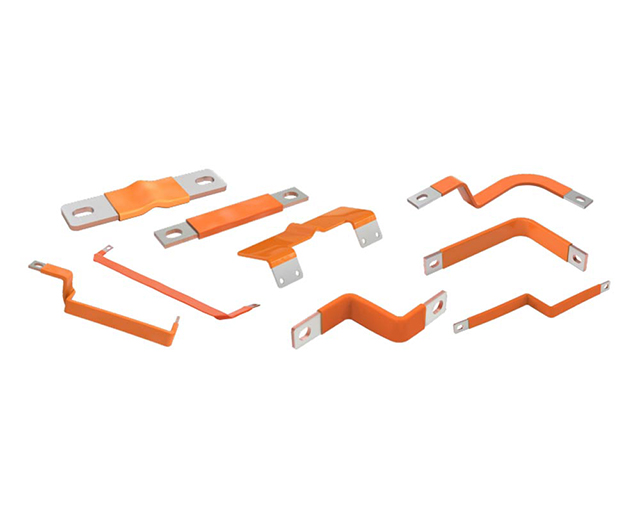
The copper busbar size refers to its physical dimensions, including:
Width (W)
Thickness (T)
Cross-sectional area (A, mm²)
In electrical design, the most important factor is the copper busbar area, which determines how much current the busbar can safely carry.
To understand how to calculate copper busbar size, the key formula is:
A = I / J
Where:
A = required copper busbar area (mm²)
I = current (Ampere)
J = current density (A/mm²)
The current density depends on installation conditions:
| Environment | Current Density (J) |
|---|---|
| Natural cooling | 1.2 – 1.6 A/mm² |
| Ventilated condition | 1.6 – 2.0 A/mm² |
| Forced air cooling | 2.0 – 3.0 A/mm² |
Selecting the correct value ensures proper copper busbar ampacity and prevents overheating.
Let’s calculate a typical copper busbar size:
Required current = 1000A
Current density = 1.5 A/mm²
A = 1000 / 1.5 = 667 mm²
Now choose practical dimensions:
100 × 7 mm = 700 mm²
80 × 10 mm = 800 mm²
In real projects, engineers usually select a slightly larger copper busbar size for safety and stability.
Once you get the copper busbar area, you can define dimensions:
Wide and thin → better heat dissipation
Thick and narrow → more compact design
Many custom copper busbar solutions are designed based on installation space and cooling conditions.
Depending on the application, different types of copper busbar are available:
bare copper busbar – standard electrical use
tin plated copper busbar – improved corrosion resistance
insulated copper busbar – enhanced safety
Flexible Copper Busbar – vibration or dynamic systems
Professional copper busbar manufacturers and Copper Busbar Suppliers can provide tailored solutions.
When calculating copper busbar size, consider:
Higher current requires larger busbar area
Higher temperatures reduce performance
Ventilation and cooling affect busbar ampacity
Using electrolytic copper busbar ensures high conductivity
Experienced copper busbar manufacturers recommend:
Always calculate based on actual current demand
Avoid undersized busbars to prevent overheating
Use tin plated copper busbar in corrosive environments
Work with a reliable copper busbar supplier for custom designs
A properly sized copper busbar is widely used in:
Power distribution systems
Electrical panels and switchgear
Solar and energy storage systems
Electric vehicle (EV) battery systems
Industrial machinery
Understanding how to calculate copper busbar size is essential for safe and efficient electrical design.
Copper busbar size is calculated by dividing current by current density, then converting the required area into width and thickness.
By selecting the correct copper busbar size, you can ensure reliable performance, reduce energy loss, and extend the lifespan of your electrical system.

Copyright © 2026 G AND N FORTUNE LIMITED All rights reserved.