


 English

Blog

2026-04-23 18:24:33
When choosing the right electrical conductor, many buyers ask: Are copper bus bars better than aluminum?
The answer depends on your application requirements. Both copper bus bars and aluminum bus bars are widely used in electrical systems, but they offer different advantages in terms of conductivity, weight, cost, and durability.
If your project requires maximum electrical performance, copper is often the better option. If reducing weight and cost is the priority, aluminum may be the smarter choice.
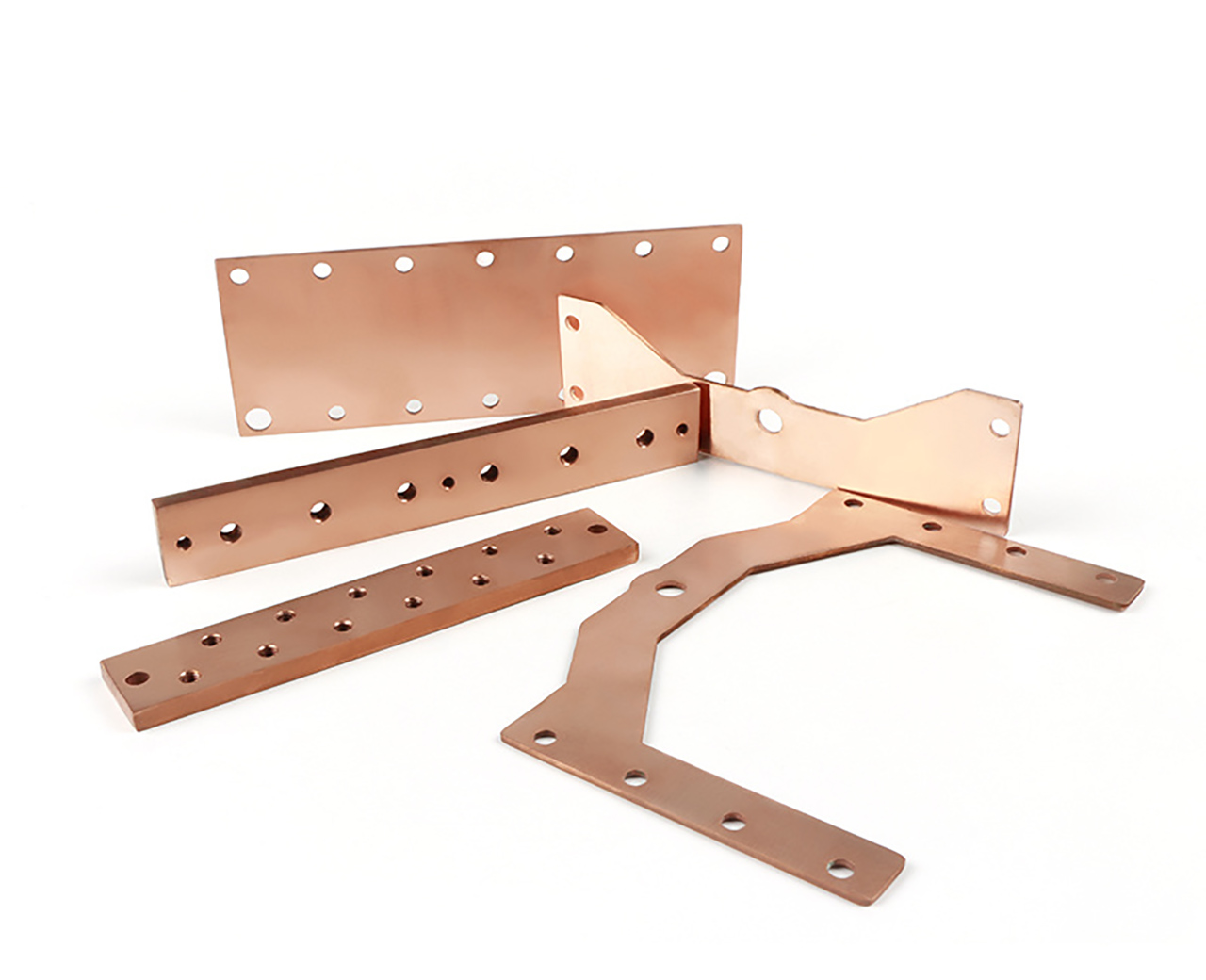
A Copper Busbar is a conductive strip made from high-purity copper that distributes electrical power efficiently.
Copper bus bars are commonly used in:
Power distribution systems
EV battery packs
Energy storage systems
Industrial equipment
Switchgear
Renewable energy systems
Copper remains one of the most widely used electrical busbar materials because of its excellent conductivity.
An Aluminum Busbar performs the same function as copper but uses aluminum as the base material.
Aluminum bus bars are commonly used in:
Solar systems
Large power distribution projects
Industrial electrical systems
Cost-sensitive applications
They are often selected when reducing installation weight is important.
One of the biggest differences in copper vs aluminum busbar selection is conductivity.
Copper has approximately 60% higher conductivity than aluminum.
Lower electrical resistance
Better current carrying capacity
Reduced energy loss
Requires larger size for equivalent conductivity
Higher resistance
For high-current applications, copper often performs better.
Aluminum is significantly lighter than copper.
Easier transportation
Easier installation
Lower structural load
Aluminum weighs roughly one-third of copper, making it ideal for large installations.
Cost is another major factor.
Higher raw material cost
Higher overall investment
Lower material cost
More budget-friendly for large projects
For projects with strict budgets, aluminum bus bars may offer better value.
Copper typically offers better long-term durability.
A tinned copper busbar provides even greater corrosion resistance by adding a protective tin coating.
This makes tinned copper ideal for:
Marine environments
Battery systems
Outdoor electrical systems
High-humidity areas
Aluminum can oxidize faster if not properly protected.
A flexible copper busbar is often used in applications involving vibration or movement.
Common industries include:
Electric vehicles
Rail transportation
Battery storage systems
Industrial automation
Flexible copper busbars help reduce stress caused by vibration.
Choose copper bus bars when you need:
Maximum conductivity
High current performance
Long-term durability
Compact installation size
Better corrosion resistance
Copper is ideal for demanding electrical applications.
Choose aluminum bus bars when you need:
Lower cost
Lightweight materials
Large-scale installations
Easier transportation
Aluminum works well for budget-focused projects.
Many manufacturers offer custom busbar solutions based on:
Material selection
Current requirements
Surface plating
Hole design
Size customization
Choosing the right manufacturer helps ensure long-term reliability.
In many high-performance applications, copper bus bars are better than aluminum because they provide higher conductivity, better durability, and improved efficiency.
However, aluminum remains a strong option when cost savings and lightweight design are priorities.
The best choice depends on your project’s electrical requirements, operating environment, and budget.

Copyright © 2026 G AND N FORTUNE LIMITED All rights reserved.