Choosing the best material for a busbar depends on your electrical application, current requirements, installation environment, and budget. Busbars are designed to transmit and distribute electrical power efficiently, so selecting the right material directly impacts conductivity, durability, and overall system performance.
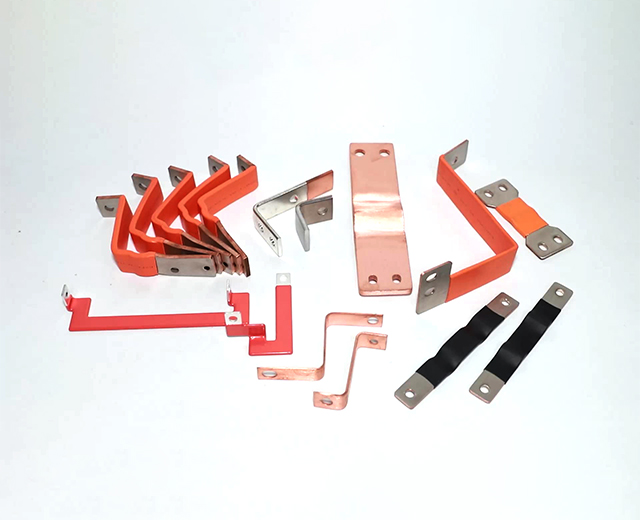
The most common electrical busbar materials include:
Each material offers unique advantages depending on where it will be used.
Why Busbar Material Selection Matters
Proper busbar material selection affects:
Electrical conductivity
Thermal performance
Corrosion resistance
Mechanical strength
Weight
Cost efficiency
A poor material choice can lead to overheating, energy loss, or shorter product lifespan.
Copper Busbar: The Most Common Choice
A copper busbar is widely considered one of the best options for high-performance electrical systems because copper offers excellent conductivity and durability.
Advantages of Copper Busbars
High electrical conductivity
Strong thermal conductivity
Excellent mechanical strength
Long service life
Reliable high-current performance
Common Applications
When performance is the top priority, many engineers choose copper.
Aluminum Busbar: Lightweight and Cost-Effective
An aluminum busbar is commonly used when reducing weight and material costs is important.
Advantages of Aluminum Busbars
Lower cost than copper
Lightweight
Easier transportation
Good conductivity
Limitations
Common Applications
For large-scale projects, aluminum can be a practical solution.
Tinned Copper Busbar: Better Corrosion Resistance
A tinned copper busbar is made by coating copper with a thin layer of tin.
This helps improve:
Corrosion resistance
Oxidation resistance
Connection stability
Product lifespan
Best Applications
If your busbar will be exposed to moisture or harsh environments, this may be the best option.
Flexible Copper Busbar for Dynamic Applications
A flexible copper busbar is designed to handle vibration, movement, and thermal expansion.
These busbars are often made from laminated copper foils.
Benefits
Applications
EV batteries
Rail systems
Energy storage systems
Industrial machinery
Laminated Busbar for Compact Electrical Systems
A laminated busbar uses layered conductive materials separated by insulation layers.
Advantages
Reduced electrical inductance
Space-saving design
Better thermal performance
Improved electrical efficiency
Common Uses
Power electronics
Inverters
Battery packs
Renewable energy systems
Copper vs Aluminum Busbar: Which Is Better?
Many buyers compare copper vs aluminum busbar solutions.
| Feature | Copper Busbar | Aluminum Busbar |
|---|
| Conductivity | Higher | Lower |
| Cost | Higher | Lower |
| Weight | Heavier | Lighter |
| Corrosion Resistance | Better | Lower |
| Lifespan | Longer | Shorter |
If performance matters most → choose copper.
If budget matters most → choose aluminum.
How to Choose the Best Busbar Material
When selecting the best material for busbar, consider:
Working with an experienced manufacturer can help you choose the right custom solution.
So, what is the best material for a busbar?
There is no single answer for every project.
Choose copper busbar for maximum conductivity
Choose aluminum busbar for lower cost and lighter weight
Choose tinned copper busbar for corrosion resistance
Choose flexible copper busbar for vibration-heavy applications
Choose laminated busbar for compact electrical systems
The best busbar material depends on your specific electrical requirements and long-term performance goals.



 English