


 English

Blog

2026-04-23 18:09:18
A tinned Copper Busbar is a copper conductor that has been coated with a thin layer of tin on its surface. This process creates a highly conductive electrical component that combines the excellent conductivity of copper with the corrosion resistance of tin.
A copper tinned busbar is commonly used in electrical systems where long-term durability, oxidation resistance, and reliable conductivity are critical.
Compared with bare Copper Busbars, a tin plated Copper Bus Bar performs better in humid, corrosive, or high-temperature environments.
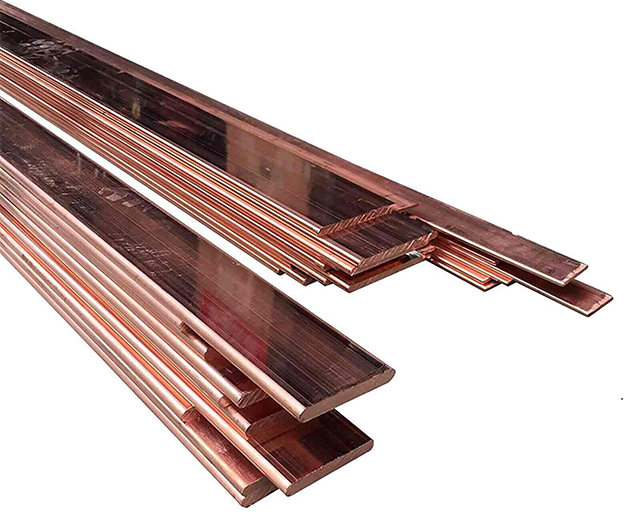
The manufacturing process typically includes:
High-purity copper is selected for excellent conductivity.
The copper surface is cleaned to remove impurities.
A thin tin layer is applied through electroplating or hot-dip tinning.
Manufacturers test thickness, conductivity, and corrosion resistance.
The final product becomes a durable tin coated copper busbar suitable for demanding applications.
Tin plating offers several important advantages.
Copper naturally oxidizes over time. Tin plating helps protect the surface.
A busbar tinned copper design provides more stable connections at terminals.
Tin surfaces are easier to solder compared with bare copper.
Tin coating helps extend product lifespan in harsh environments.
Reduced oxidation means fewer maintenance issues.
Many buyers ask: Is tinned copper better than copper?
The answer depends on your application.
Advantages:
Higher conductivity
Lower cost
Suitable for dry indoor environments
Disadvantages:
Easier oxidation
Requires more maintenance in humid environments
Advantages:
Better corrosion resistance
Longer lifespan
Better for marine and outdoor applications
Improved connection reliability
Disadvantages:
Slightly higher cost
Slightly lower conductivity due to tin layer (usually negligible)
For battery systems, marine equipment, renewable energy systems, and industrial environments, tinned copper busbar solutions are often the better choice.
Used in switchgear and electrical cabinets.
Widely used for lithium battery connections.
Used in solar and energy storage systems.
Excellent corrosion resistance for humid environments.
A tin plated copper ground bar is often used for grounding applications.
Used for battery and charging systems.
A tin plated copper ground bar is specifically designed for grounding and bonding systems.
Common uses include:
Electrical panels
Telecom systems
Data centers
Solar grounding systems
These products help improve grounding reliability and reduce corrosion.
A tin plated copper bar offers:
High conductivity
Strong corrosion resistance
Better durability
Longer service life
Reliable high-current performance
Many manufacturers offer customized sizes, hole designs, and plating thickness options.
When selecting a tin plated copper bus bar, consider:
Current capacity
Busbar dimensions
Plating thickness
Installation environment
Custom design requirements
Working with an experienced supplier ensures better performance and quality.
A tinned copper busbar combines the excellent conductivity of copper with the protective benefits of tin plating. It is widely used in electrical systems that require durability, corrosion resistance, and stable performance.
Whether you need a tin coated copper busbar, tin plated copper ground bar, or customized copper tinned busbar, these products provide reliable electrical performance for modern industries.

Copyright © 2026 G AND N FORTUNE LIMITED All rights reserved.