


 English

Blog

2026-04-23 18:04:54
A busbar is a conductive strip or bar made from highly conductive materials such as copper or aluminum. Its primary purpose is to collect electricity from one source and distribute it efficiently to multiple circuits, components, or devices.
Compared with traditional wiring systems, a busbar simplifies electrical layouts, improves conductivity, reduces installation complexity, and supports high-current transmission.
Busbars are commonly used in:
Power distribution systems
Battery packs
Renewable energy storage systems
Electric vehicles
Switchgear
Industrial machinery
Modern electrical systems often rely on electrical bus bar connections because they provide better efficiency and cleaner installations than multiple cables.
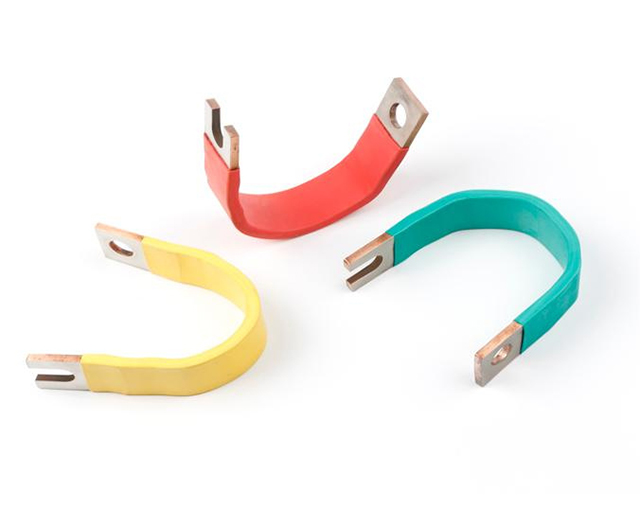
The main purpose of a busbar includes:
Busbars distribute electricity from a primary power source to multiple secondary circuits.
Using a connector bus bar reduces the need for excessive wires, making systems easier to manage.
Many high current busbar connectors are designed for heavy-duty electrical applications.
Properly installed busbars reduce overheating risks and electrical faults.
Busbars create cleaner and more compact electrical layouts.
A busbar connector is used to connect busbars to electrical components, batteries, switches, or terminals.
These connectors help create secure electrical pathways while minimizing resistance.
Common applications include:
Electrical panels
Battery systems
EV charging stations
Solar power systems
Industrial equipment
A reliable electrical bus bar connector helps improve long-term electrical performance.
Electrical bus bar connections allow electricity to move safely between busbars and connected equipment.
Common connection methods include:
Bolted connections
Welded connections
Clamp connections
Press-fit connections
Proper connector busbar installation ensures:
Lower resistance
Better conductivity
Reduced overheating
Improved reliability
Many users search for how to connect a bus bar to a battery when building battery packs or energy storage systems.
Copper is commonly used for better conductivity.
Select proper thickness and width based on current demand.
Position the busbar correctly across battery terminals.
Use bolts, screws, or welding for stable Battery Bus Bar connections.
Use protective insulation materials for safety.
Verify electrical stability before operation.
A quality Battery Busbar connector is critical for EV batteries and lithium battery systems.
There are several common types of busbar connectors used in modern electrical systems.
Copper bus bar connectors offer excellent conductivity and are widely used in high-power applications.
Applications include:
Switchgear
Industrial equipment
Battery systems
Flexible busbar connectors are ideal for systems exposed to vibration or movement.
Common uses:
EV battery packs
Rail systems
Renewable energy systems
A flexible braided copper busbar uses braided copper strands for flexibility and vibration resistance.
Benefits include:
Easy installation
Better thermal expansion performance
Longer lifespan
These connectors are designed for large electrical loads.
Used in:
Power plants
Energy storage systems
Industrial machinery
Busbars are widely used in:
Electric vehicles
Solar systems
Battery storage
Data centers
Industrial automation
Power distribution equipment
Demand for flexible busbar connectors continues growing as electrification expands globally.
Custom busbars can be designed based on:
Current rating
Material type
Shape
Hole design
Insulation requirements
Manufacturers can provide customized solutions for specific applications.
The purpose of a busbar is to efficiently transmit and distribute electricity while improving safety, reducing wiring complexity, and supporting high-current applications.
Whether you need a battery busbar connector, copper bus bar connectors, or flexible busbar connectors, choosing the right solution helps improve overall electrical system performance.

Copyright © 2026 G AND N FORTUNE LIMITED All rights reserved.