


 English

Blog

2026-04-23 18:00:02
A busbar electrical component is a conductive strip or bar used to distribute electricity efficiently within electrical systems. Instead of relying on multiple cables or wires, a bus bar electrical setup simplifies power transmission by collecting and distributing electrical current to different circuits.
Busbars are commonly made from pure copper electrical busbar materials or aluminum because both metals offer excellent conductivity. They are widely used in electrical panels, renewable energy systems, industrial equipment, EV battery packs, and power distribution systems.
In simple terms, the primary use of a busbar is to:
Transfer electrical power safely
Distribute current across multiple circuits
Reduce wiring complexity
Improve system efficiency
Enhance electrical safety
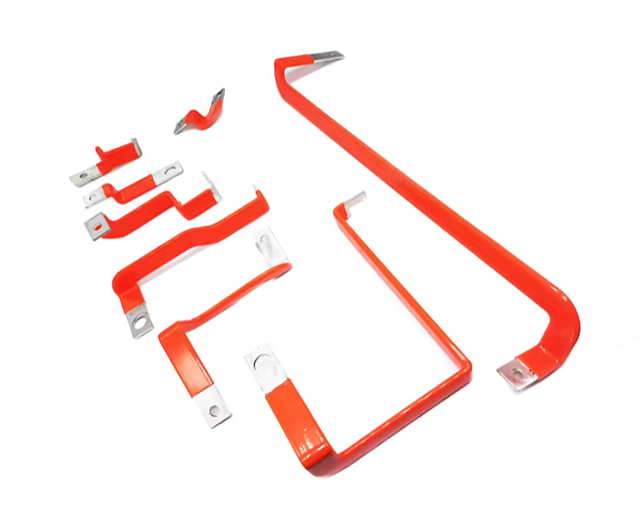
A copper electrical busbar or Aluminum Busbar acts as a central conductor that gathers electricity from incoming sources and distributes it to outgoing circuits.
For example, in an electrical panel bus bar, electricity enters the panel through the main power source and is then distributed through the busbar to breakers and connected equipment.
This design helps:
Minimize excessive wiring
Reduce voltage loss
Improve current-carrying capacity
Simplify maintenance
Compared with traditional cable wiring, busbars provide cleaner layouts and better long-term reliability.
A copper busbar is the most common type due to its high electrical conductivity and durability.
Excellent conductivity
High current carrying capacity
Corrosion resistance
Long service life
Suitable for high-power applications
Applications include:
Power distribution cabinets
EV charging systems
Battery packs
Switchgear
Industrial control systems
Many industries prefer electrical copper bus bar products because they provide stable electrical performance under demanding conditions.
An aluminum busbar is a lightweight and cost-effective alternative to copper.
Lower material cost
Lightweight
Good conductivity
Easier transportation
Common applications:
Solar energy systems
Large-scale power distribution
Renewable energy projects
Industrial electrical equipment
Although aluminum has lower conductivity than copper, it works well in projects where weight and cost are priorities.
A flexible busbar is designed with laminated copper foils or braided copper materials that allow movement and vibration absorption.
Electric vehicles
Battery systems
Renewable energy storage systems
High-vibration equipment
Benefits include:
Better flexibility
Easier installation
Vibration resistance
Improved thermal expansion performance
Flexible busbars are increasingly used in modern energy storage applications.
An insulated busbar includes protective coatings such as:
PVC coating
Epoxy powder coating
Heat shrink insulation
Dip coating
These coatings improve safety by preventing accidental short circuits.
Applications include:
Electrical cabinets
Battery modules
Switchboards
Renewable energy systems
A bus bar in electrical panel systems serves as the backbone of power distribution.
Inside the panel, the electrical panel bus bar:
Receives electricity from the main supply
Distributes electricity to branch circuits
Connects breakers
Improves organization
Without busbars, electrical panels would require excessive wiring, making systems harder to maintain.
An electrical ground bus bar is specifically designed for grounding applications.
Its main functions include:
Collecting grounding wires
Protecting equipment from electrical faults
Preventing electric shock risks
Improving electrical safety compliance
Ground busbars are commonly installed in:
Control panels
Data centers
Industrial power systems
Telecommunications equipment
| Feature | Busbar | Traditional Cable |
|---|---|---|
| Installation | Easier | More complex |
| Space usage | Compact | Takes more space |
| Heat dissipation | Better | Lower |
| Maintenance | Easier | Harder |
| Current capacity | Higher | Lower |
Busbars provide cleaner electrical layouts and better efficiency for high-current applications.
Busbars are widely used in:
Electric vehicles (EVs)
Solar power systems
Energy storage systems
Manufacturing equipment
Switchgear systems
Data centers
Rail transportation
Power plants
As renewable energy and electrification continue growing, demand for copper busbar, aluminum busbar, flexible busbar, and insulated busbar solutions continues to rise.
Many industries require customized busbars based on:
Current rating
Size requirements
Insulation needs
Hole design
Surface plating
Application environment
A professional manufacturer can provide:
Custom copper busbars
Custom aluminum busbars
Tin-plated busbars
Flexible laminated busbars
Insulated busbars
So, what is the use of busbar in electrical systems?
Busbars play a critical role in safely transmitting and distributing electricity across modern electrical systems. Whether you need a pure copper electrical busbar, lightweight aluminum busbar, durable insulated busbar, or high-performance flexible busbar, the right busbar design can improve efficiency, reliability, and safety.
As electrical systems become more advanced, busbars remain an essential component for effective power distribution.

Copyright © 2026 G AND N FORTUNE LIMITED All rights reserved.