


 English

Blog

2026-04-29 17:53:04
In electrical and power distribution systems, safety and reliability are critical. A bus bar is widely used to carry high current between different circuits, but because it is made of conductive metal, proper insulation is necessary. This leads to a common question: How to insulate a bus bar?
Understanding insulation methods and bus bar types such as Insulated Busbar, Solid Insulated Busbar, and Insulated Copper Busbar is essential for safe system design.
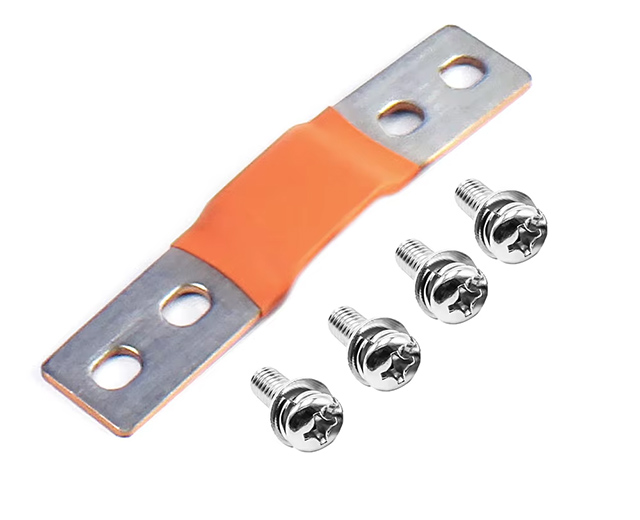
A Solid Insulated Busbar is a rigid copper or aluminum conductor fully covered with insulating material such as epoxy, PVC, or heat-resistant coating. The insulation layer protects the conductor from accidental contact, short circuits, and environmental damage.
Compared to bare copper designs like a standard Copper Busbar, a solid insulated version provides enhanced safety and is commonly used in industrial electrical panels and power distribution systems.
An Insulated Busbar (or Insulated Bus Bar) refers to any bus bar that is covered with an insulating layer to prevent direct electrical contact. This insulation ensures safe operation in high-current systems and reduces the risk of electrical faults.
Insulated designs are widely used in:
Electrical control cabinets
Battery energy storage systems
Industrial power distribution
Renewable energy systems
There are several common methods used to insulate a bus bar depending on application requirements:
A Copper Busbar can be coated with epoxy, PVC, or powder insulation to form an Insulated Copper Busbar. This method provides strong protection against moisture, dust, and accidental contact.
For smaller systems such as battery packs, heat shrink sleeves are applied over the conductor, creating a simple but effective insulation layer.
Plastic or polycarbonate covers are used to fully enclose the bus bar, commonly seen in Insulated Bus Bar installations inside electrical panels.
In systems requiring movement or vibration resistance, Insulated Flexible Busbar or Insulated Flexible Copper Bars are used. These are typically made of braided copper with insulating sleeves.
An Insulated Flexible Busbar is designed to handle mechanical stress such as vibration, thermal expansion, or movement between components.
A Flexible Copper Busbar or Insulated Flexible Copper Bars are commonly used in:
Battery systems
Electric vehicles
Renewable energy storage
Industrial machinery
These designs maintain conductivity while improving installation flexibility and safety.
In battery applications, a Battery Busbar Copper is often used to connect multiple battery cells or modules. When properly insulated, it becomes part of a safe and efficient energy distribution system.
Insulation is especially important in lithium battery systems where high current flow and compact spacing increase the risk of short circuits.
Proper insulation of bus bars provides several benefits:
Prevents electrical shock
Avoids short circuits
Improves system durability
Enhances safety in high-current environments
Meets industrial safety standards
To insulate a bus bar effectively, manufacturers use coatings, covers, or flexible insulation materials depending on the application. Whether it is a Solid Insulated Busbar, Insulated Copper Busbar, or Insulated Flexible Busbar, the goal remains the same: ensuring safe and reliable power distribution.
As modern electrical systems continue to evolve, insulated designs such as Insulated Busbar and Flexible Copper Busbar play an increasingly important role in improving performance, safety, and efficiency.

Copyright © 2026 G AND N FORTUNE LIMITED All rights reserved.