


 English

Blog

2026-04-29 17:59:22
In modern electrical power systems, Aluminum Busbar solutions are widely used due to their cost efficiency, lightweight properties, and good electrical conductivity. A common question in engineering and procurement is: What grade of aluminium is used for busbars? The answer depends on the application requirements such as conductivity, mechanical strength, and corrosion resistance.
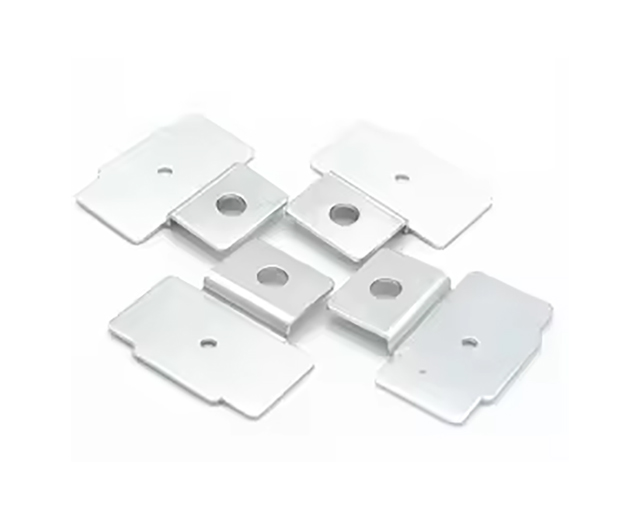
An aluminum bus bar (also written as Aluminum Busbar or aluminum busbars) is a conductive strip made from aluminum used to distribute electrical power in systems such as power distribution cabinets, renewable energy storage, and industrial equipment.
So, what is aluminum bus bar?
It is a lightweight alternative to copper busbars designed to carry and distribute high current efficiently while reducing cost and weight.
Different aluminum grades are selected based on performance requirements:
The 6101 aluminum bus bar is one of the most commonly used grades in electrical applications. It offers:
Good electrical conductivity
High mechanical strength
Excellent thermal performance
It is widely used in power distribution systems and high-current busbar applications.
The 6061 aluminum bus bar is a structural-grade alloy. It is not as conductive as 6101 but provides:
High strength and durability
Excellent machinability
Good corrosion resistance
It is often used in mechanical or hybrid electrical-structural applications.
A key comparison in the industry is aluminum bus bar vs copper:
Copper busbar: Higher conductivity, smaller size, but more expensive and heavier
Aluminum busbar: Lower cost, lighter weight, slightly larger size needed
Because of these advantages, aluminum is widely adopted in large-scale power systems where cost and weight are important factors.
To improve performance and durability, aluminum busbars often receive surface treatments:
Tin plated aluminum bus bar: Improves corrosion resistance and solderability
Silver plated aluminum bus bars: Enhances conductivity and reduces contact resistance
These coatings are especially important in high-performance electrical systems.
A flexible busbar is designed to handle vibration, thermal expansion, or movement between components. Aluminum can also be used in flexible designs, although copper is more common in highly dynamic environments.
High-quality busbars are typically produced by a professional Aluminum Busbar Manufacturer. Depending on project needs, suppliers may offer:
Standard products from Aluminum Busbar Supplier
Customized designs through Aluminum Busbar OEM services
Full engineering solutions via Aluminum Busbar ODM
Working with an experienced aluminum busbar manufacturer ensures material consistency, proper alloy selection, and compliance with electrical safety standards.
The most commonly used aluminum grades for busbars are 6101 aluminum bus bar for electrical conductivity and 6061 aluminum bus bar for structural strength. These materials make aluminum a strong alternative in modern power systems.
Compared with copper, aluminum busbars provide a lightweight and cost-effective solution, especially when enhanced with coatings like tin or silver plating. With the support of a reliable Aluminum Busbar Supplier or Manufacturer, aluminum busbars continue to play a key role in industrial and energy applications.

Copyright © 2026 G AND N FORTUNE LIMITED All rights reserved.