


 English

Blog

2026-05-21 17:55:19
As modern electrical systems continue to evolve, the demand for efficient, compact, and reliable power distribution solutions is growing rapidly. Traditional rigid conductors are no longer sufficient for many high-performance electrical applications, especially where vibration resistance, thermal expansion, and flexible installation are required.
This is why the Flexible Copper Busbar has become an essential component in industries such as renewable energy, industrial automation, power distribution, electric vehicles, and data centers.
Compared with traditional rigid conductors or standard aluminum bus bar systems, Flexible Busbars provide better conductivity, easier installation, and improved operational reliability. In this article, we will explore what is a flexible busbar, its types, advantages, applications, and how to choose reliable flexible busbar manufacturers.
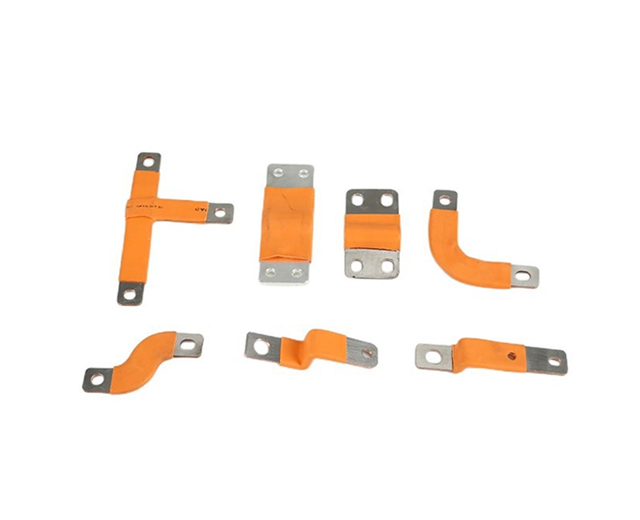
Many engineers and buyers ask: what is a flexible busbar?
A flexible busbar is an electrical conductor designed to transmit high current while allowing movement, vibration absorption, and installation flexibility. Unlike rigid busbars, these conductors can bend or flex without compromising electrical performance.
A flexible copper busbar is typically made from multiple layers of thin copper foils or braided copper wires. This structure allows the busbar to maintain excellent conductivity while adapting to dynamic electrical systems.
Flexible busbars are widely used in applications where thermal expansion, equipment vibration, or compact installation spaces are common.
There are several types of busbar flexible solutions available depending on the application requirements.
A braided flexible copper busbar is made from woven copper wires that provide excellent flexibility and vibration resistance.
Key features include:
High flexibility
Excellent conductivity
Strong vibration resistance
Suitable for moving connections
Braided busbars are commonly used in transformers, switchgear, railway systems, and grounding applications.
A laminated flexible bus bar consists of multiple thin copper sheets stacked together and welded at the contact areas.
Advantages include:
Higher current carrying capacity
Better heat dissipation
Reduced electrical losses
Compact installation
Laminated flexible copper bar solutions are widely used in battery systems, renewable energy equipment, and industrial power distribution systems.
One of the biggest advantages of flexible busbars is installation flexibility.
Unlike rigid conductors, a flexible busbar can adapt to complex equipment layouts and limited spaces. This reduces mechanical stress on electrical connections and simplifies installation.
Flexible designs also help compensate for:
Thermal expansion
Equipment movement
Vibration
Misalignment
This makes flexible busbar connectors ideal for dynamic electrical systems.
Copper offers excellent electrical conductivity, making the flexible copper busbar highly efficient for transmitting high current loads.
Compared with some Aluminum Busbars, copper busbars generally provide:
Lower electrical resistance
Higher conductivity
Better thermal performance
Improved long-term reliability
This results in reduced energy loss and improved system efficiency.
Electrical systems often face vibration, thermal cycling, and mechanical stress. Traditional rigid conductors may crack or loosen over time.
A busbar flexible design helps reduce these risks by absorbing movement and minimizing stress on connection points.
Additional safety advantages include:
Reduced overheating risk
Better short-circuit resistance
Improved connection stability
Longer service life
Many systems also use insulated busbar solutions to improve operator safety and reduce accidental contact risks.
Flexible busbars are widely used in modern power distribution systems.
Applications include:
Switchgear
Distribution cabinets
Transformers
UPS systems
Data centers
The use of flexible copper busbar systems improves installation efficiency and operational reliability in high-current environments.
Renewable energy systems require reliable and efficient power transmission solutions.
Flexible busbars are commonly used in:
Solar inverters
Wind power systems
Battery energy storage systems
EV charging stations
Compared with standard aluminum bus bar solutions, copper busbars often provide better conductivity and durability for demanding renewable energy applications.
Industrial machinery often generates vibration and heat during operation.
Using flexible busbar connectors helps reduce mechanical stress while maintaining stable electrical connections.
Common industrial applications include:
Welding equipment
CNC machinery
Robotics
Industrial automation systems
Heavy electrical equipment
Choosing reliable flexible busbar manufacturers is essential for system safety and long-term performance.
Important factors include:
Material quality
Manufacturing capability
Customization options
Quality certifications
Delivery capability
Technical support
A professional manufacturer should also offer custom solutions based on your electrical requirements.
China has become a major global production center for electrical components and flexible copper busbar products.
Many Chinese manufacturers offer:
Competitive pricing
Advanced production equipment
Custom manufacturing
Fast lead times
Global export experience
Professional Chinese suppliers can provide high-quality flexible busbars for industrial and commercial applications worldwide.
Global flexible busbar manufacturers in Europe and North America are known for advanced engineering and strict quality standards.
These suppliers often focus on:
High-performance industrial applications
Renewable energy systems
Automotive electrification
Data center infrastructure
When selecting suppliers, businesses should balance quality, customization capability, pricing, and delivery efficiency.
Many industries have successfully adopted flexible copper busbar systems to improve efficiency and reliability.
Examples include:
Solar energy storage systems reducing power loss
Data centers improving thermal management
Industrial automation systems minimizing vibration-related failures
EV charging infrastructure increasing current transmission efficiency
These applications demonstrate the versatility of flexible bus bar technology.
Several lessons can be learned from successful projects:
Proper material selection is critical
High-quality insulation improves safety
Correct busbar sizing ensures optimal performance
Reliable manufacturers reduce long-term maintenance risks
Choosing experienced flexible busbar manufacturers can significantly improve project success.
Modern electrical systems require power distribution solutions that are efficient, reliable, and adaptable. The flexible copper busbar offers major advantages over traditional rigid conductors, including improved flexibility, higher conductivity, and better vibration resistance.
Whether used in renewable energy systems, industrial machinery, power distribution cabinets, or data centers, flexible busbars play a vital role in improving electrical system performance.
As demand for advanced electrical infrastructure continues to grow, selecting the right flexible copper busbar supplier and using high-quality flexible busbar connectors will become increasingly important for ensuring long-term operational success.

Copyright © 2026 G AND N FORTUNE LIMITED All rights reserved.