


 English

Blog

2026-04-15 17:18:35
Copper Busbars are widely used in electrical systems due to their excellent conductivity. However, over time, they may accumulate dust, grease, or oxidation. This leads many users to ask: what to clean copper electric bus bar with?
Proper cleaning is essential to maintain electrical performance, reduce contact resistance, and extend the lifespan of the busbar. In this guide, we will explain the best methods and materials for cleaning copper busbar safely and effectively.
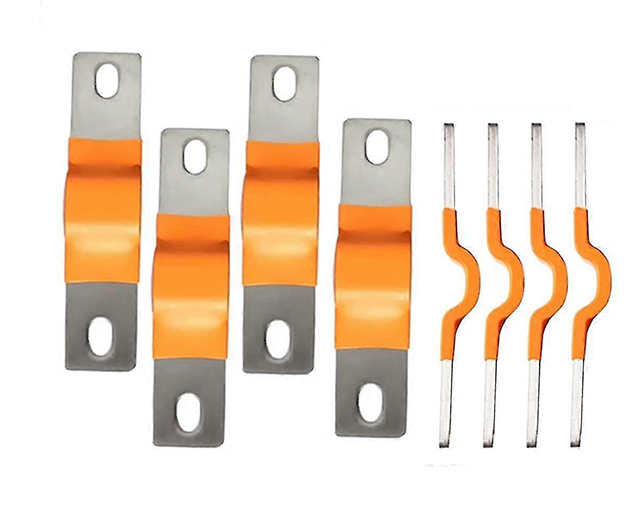
Regular copper busbar maintenance is critical because:
Oxidation increases electrical resistance
Dirt and grease affect conductivity
Poor contact surfaces can lead to overheating
Long-term neglect may cause system failure
Keeping your Electrical Busbar clean ensures stable performance and safety.
The right cleaning method depends on the condition of the busbar. Below are the most effective options:
For dust, fingerprints, or light contamination:
Use:
Isopropyl alcohol (70%–99%)
Lint-free cloth
Benefits:
Leaves no conductive residue
Safe for electrical components
Easy to use
This is one of the most recommended solutions for routine copper busbar cleaning.
For busbars exposed to industrial environments:
Use:
Professional electrical contact cleaner spray
Benefits:
Removes grease and oxidation
Fast-drying and non-conductive
Designed specifically for electrical systems
This is ideal for maintaining electrical busbar connections.
If the copper surface appears dull, dark, or slightly oxidized:
Use:
Scotch-Brite pads
Fine grit sandpaper (very light polishing)
Benefits:
Removes oxidation layer
Restores conductive surface
Important:
Do not over-polish
Avoid removing too much material
For severe oxidation (black or green corrosion):
Use:
Specialized copper cleaner products
Benefits:
Effectively removes corrosion
Restores surface condition
After cleaning, it is recommended to:
Wipe dry completely
Apply protective coating if necessary
To avoid damaging the copper electric bus bar, do NOT use:
Strong acids (e.g., hydrochloric acid)
Oil-based cleaners (leave residue)
Rough sandpaper (damages surface)
Water without proper drying
Improper cleaning may reduce conductivity and shorten service life.
To ensure long-term performance:
Clean busbars regularly depending on environment
Inspect for oxidation and corrosion
Ensure all contact surfaces are clean before installation
Use proper tools and non-conductive cleaning materials
Frequent cleaning is often required for Bare Copper Busbars due to oxidation.
A better solution is to use tin plated copper busbar, which offers:
Excellent oxidation resistance
Lower maintenance requirements
Stable electrical performance
Longer service life
This is especially important in:
Power distribution systems
Energy storage systems
Industrial environments
At JeaSnn, we provide high-quality copper busbar solutions, including:
Bare and tin plated copper busbars
Custom sizes, shapes, and designs
Precision machining, bending, and punching
Surface treatments for improved durability
It is not recommended unless the busbar is completely dried afterward, as moisture can cause corrosion.
It depends on the environment. Industrial environments require more frequent busbar maintenance.
Yes, removing oxidation and dirt improves contact quality and reduces resistance.
Using a tin plated copper busbar is the most effective long-term solution.

Copyright © 2026 G AND N FORTUNE LIMITED All rights reserved.