


 English

Blog

2026-05-26 11:44:12
In modern electrical systems, busbars are widely used for efficient power distribution and electrical connection. To improve safety, durability, and system reliability, different types of insulation are applied to busbars based on the working environment and application requirements. Today, Insulated Busbar solutions are widely used in electric vehicles, energy storage systems, industrial equipment, and power distribution applications.
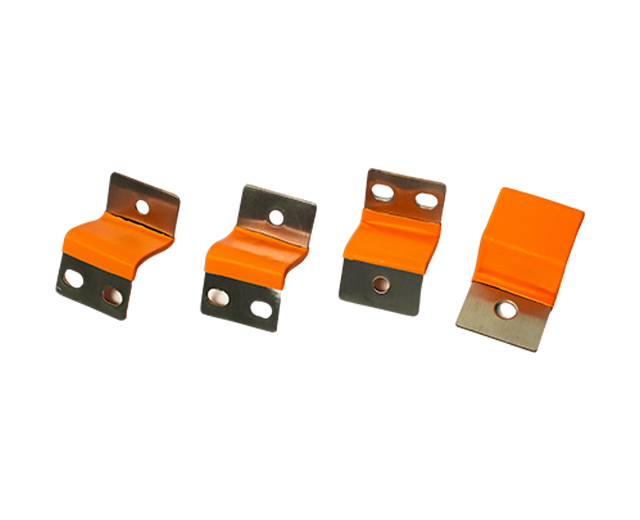
An Insulated Busbar is a conductive metal bar, usually made of copper or aluminum, covered with insulating materials to prevent electrical leakage, short circuits, and accidental contact. Compared with bare busbars, Insulated Bus Bars provide higher safety, better corrosion resistance, and improved thermal performance.
The most common conductive materials include copper and aluminum, leading to products such as:
Insulated Copper Busbar
Insulated Aluminum Busbar
Insulated Aluminum Bus Bar
Copper BusBar Insulated
Different insulation materials are selected depending on voltage, temperature, flexibility, and environmental conditions.
Epoxy coating is one of the most common insulation methods for Solid Insulated Busbar products. It provides strong electrical insulation, corrosion resistance, and mechanical protection.
Advantages:
High dielectric strength
Excellent durability
Good moisture resistance
Applications:
Industrial switchgear
Power distribution cabinets
Energy storage systems
PVC insulation is widely used in low- and medium-voltage Insulated Bus Bars because of its cost-effectiveness and flexibility.
Advantages:
Good electrical insulation
Lightweight
Easy processing
Applications:
Electrical control systems
EV battery systems
Consumer electronics
Heat shrink insulation is commonly used for Insulated Flexible Busbar and battery connection systems. The tubing tightly wraps around the busbar after heating, creating a protective insulation layer.
Advantages:
Flexible installation
Strong environmental protection
Suitable for complex shapes
Applications:
Battery packs
Automotive wiring
Flexible copper connectors
Polyester film insulation, including Mylar materials, is widely used in Insulated Flat Battery Accessories Busbar products due to its thin profile and excellent dielectric performance.
Advantages:
Thin and lightweight
High temperature resistance
Excellent insulation stability
Applications:
Lithium battery modules
EV battery CCS systems
Compact electrical equipment
For high-temperature applications, silicone and polyimide materials such as Kapton are often used in Insulated Flexible Copper Bars.
Advantages:
Excellent heat resistance
Chemical stability
Long service life
Applications:
Aerospace equipment
High-power battery systems
Industrial automation
An Insulated Copper Busbar provides excellent conductivity and low electrical resistance. Copper busbars are ideal for high-current applications requiring stable power transmission.
An Insulated Aluminum Busbar is lightweight and cost-effective. Aluminum busbars are commonly used where reducing system weight is important.
A Solid Insulated Busbar features rigid construction and strong mechanical strength. It is widely used in fixed electrical installations and industrial power systems.
An Insulated Flexible Busbar is designed to absorb vibration and compensate for thermal expansion. Flexible structures improve reliability in EV batteries and energy storage systems.
Modern Insulated Bus Bars are widely used in:
Electric vehicles (EV)
Energy storage systems
Power distribution equipment
Industrial machinery
Renewable energy systems
Battery modules and battery CCS systems
With the rapid growth of new energy industries, demand for Copper BusBar Insulated products and customized busbar solutions continues to increase.
Different types of insulation materials are used in busbars to improve electrical safety, thermal performance, and system reliability. Whether using epoxy coating, PVC, polyester film, or heat shrink tubing, selecting the right insulation solution is essential for modern electrical applications.
From Insulated Copper Busbar to Insulated Flexible Copper Bars and Insulated Aluminum Bus Bar, insulated busbars play a vital role in EV batteries, energy storage systems, and industrial power distribution.

Copyright © 2026 G AND N FORTUNE LIMITED All rights reserved.