


 English

Blog

2026-06-11 16:25:41
A busbar is a metallic conductor used to collect and distribute electrical power efficiently within electrical systems. Commonly made from copper busbar or Aluminum Busbar, it serves as a central connection point that transfers electricity between power sources, switchgear, transformers, batteries, and electrical loads.
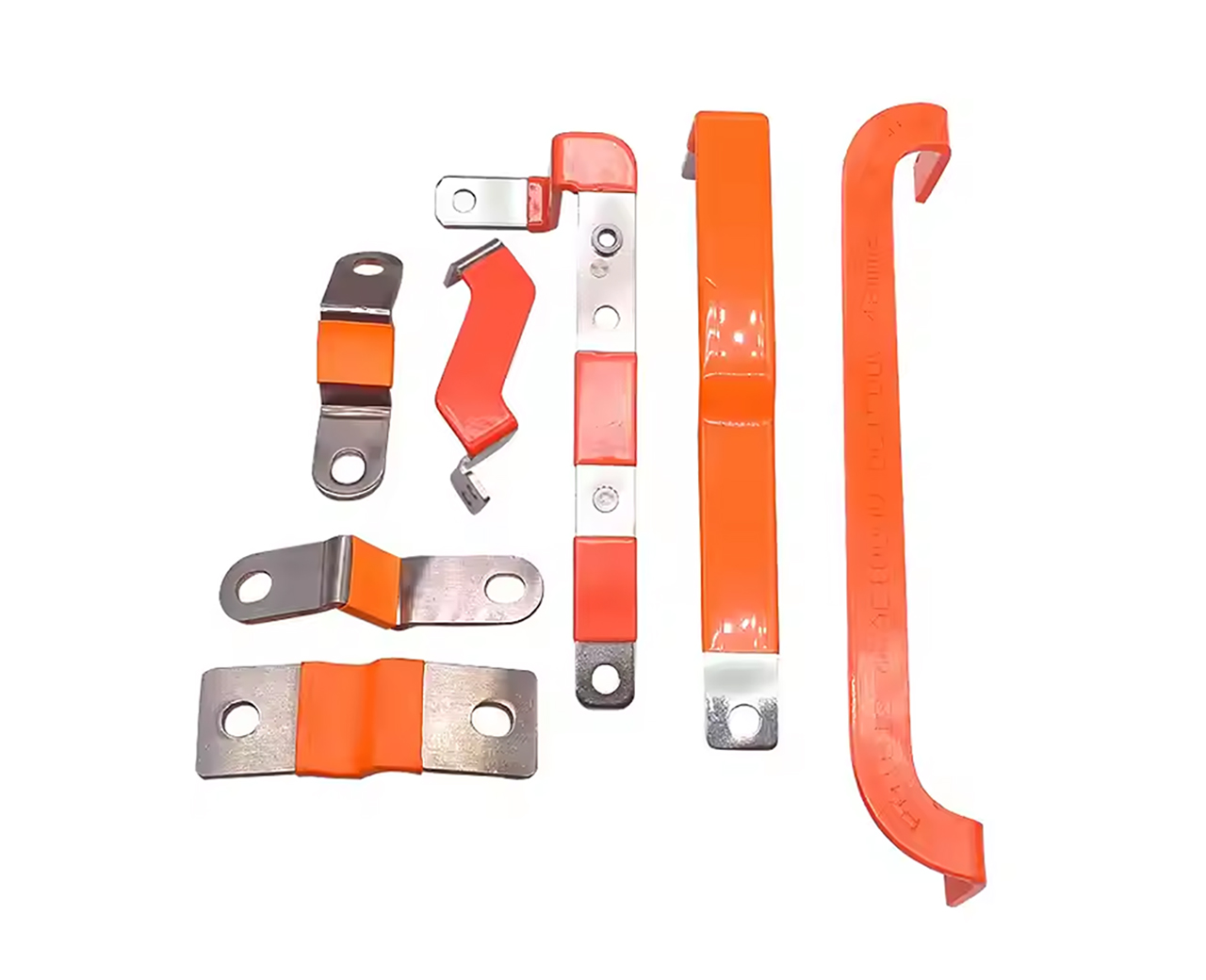
A busbar is a solid strip, bar, or plate of conductive material designed to carry large amounts of electrical current. Unlike traditional cables, busbars provide a compact, low-resistance pathway for power distribution in industrial, commercial, and renewable energy applications.
Busbars are widely used in:
Power distribution systems
Electrical panels and switchboards
Data centers
EV battery packs
Solar energy systems
Industrial equipment
The working principle of a busbar is relatively simple. It acts as a common conductor that receives electrical power from one source and distributes it to multiple outgoing circuits.
Electricity enters the busbar from a power source such as:
Transformer
Generator
Battery system
Utility grid
The busbar's large cross-sectional area allows it to handle high current loads with minimal resistance.
Once energized, the electrical busbar carries current along its length. Because busbars are made from highly conductive materials such as copper or aluminum, energy losses are significantly reduced.
Benefits include:
Lower voltage drop
Reduced heat generation
Improved efficiency
Higher current-carrying capacity
Multiple devices or circuits connect directly to the busbar. Power is distributed evenly from the busbar to:
Circuit breakers
Motor control centers
Distribution panels
Industrial machinery
Renewable energy systems
This centralized design simplifies electrical system architecture and maintenance.
A complete busbar system typically consists of several key components.
The primary current-carrying elements, usually manufactured from:
Copper busbar
Copper offers excellent conductivity, while aluminum provides a lighter and more cost-effective alternative.
To prevent short circuits and improve safety, busbars may be coated or enclosed using:
Epoxy coating
Heat-shrink insulation
PVC insulation
Powder coating
Insulators and mounting brackets secure the busbar and maintain proper spacing between conductors.
Specialized connectors link different sections of the busbar and ensure reliable current transfer throughout the system.
Different applications require different busbar configurations.
Rigid busbars are solid copper or aluminum bars commonly found in switchgear and electrical panels.
Advantages:
High mechanical strength
Excellent current capacity
Long service life
A flexible busbar consists of laminated copper foils or braided conductors.
Advantages:
Absorbs vibration
Accommodates thermal expansion
Easier installation
Applications include electric vehicles and battery systems.
A busbar trunking system is an enclosed power distribution solution that replaces traditional cable installations in large buildings and industrial facilities.
Benefits include:
Modular design
Faster installation
Improved safety
Easier expansion
Compared with conventional cabling, busbars provide several significant benefits.
The larger conductive surface area reduces electrical resistance and minimizes power losses.
Busbars dissipate heat more effectively than bundled cables, allowing higher current ratings.
Compact busbar designs reduce wiring complexity and save installation space.
Fewer connection points reduce the risk of loose connections and electrical failures.
Clearly organized power distribution systems simplify inspection and troubleshooting.
Busbars are essential in numerous industries.
Used in:
Switchgear
Distribution boards
Substations
Transformer connections
Modern EV battery packs rely on Battery Busbars to connect cells and distribute power efficiently.
Solar and energy storage installations use busbars to transfer power between:
Solar panels
Inverters
Battery banks
Heavy machinery requires high current busbars for reliable power delivery under demanding operating conditions.
| Feature | Copper Busbar | Aluminum Busbar |
|---|---|---|
| Conductivity | Higher | Lower |
| Weight | Heavier | Lighter |
| Cost | Higher | Lower |
| Corrosion Resistance | Excellent | Good |
| Current Capacity | Higher | Moderate |
Copper is generally preferred for high-performance applications, while aluminum is often chosen for cost-sensitive projects.
A busbar works by collecting electrical power from a source and distributing it efficiently to multiple circuits through a highly conductive pathway. Whether used in switchgear, renewable energy systems, data centers, or electric vehicles, busbars provide a reliable, space-saving, and energy-efficient solution for modern power distribution. By utilizing materials such as copper busbar and aluminum busbar, busbar systems can safely handle high currents while reducing energy losses and simplifying electrical infrastructure.

Copyright © 2026 G AND N FORTUNE LIMITED All rights reserved.