


 English

Blog

2026-06-11 16:36:33
When designing electrical power distribution systems, engineers often face a critical choice: Aluminum Busbar or Copper Busbar. While copper has traditionally been the preferred conductor due to its excellent electrical conductivity, aluminum has become increasingly popular in modern electrical infrastructure. Today, many utilities, industrial facilities, renewable energy projects, and electrical equipment manufacturers choose 6101 aluminum bus bar solutions because they offer an attractive balance of performance, cost, and weight.
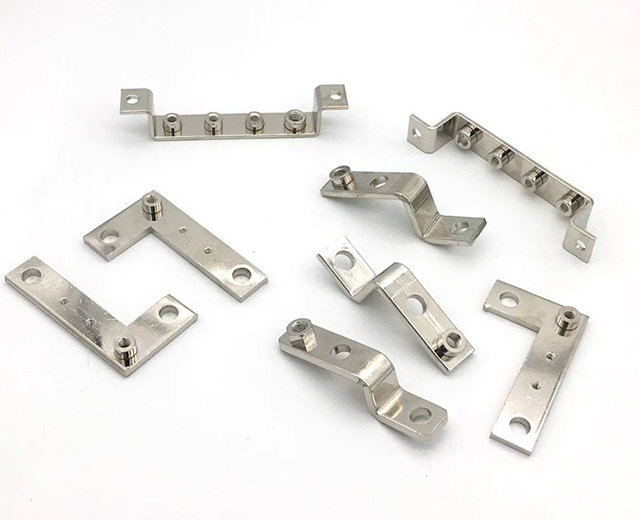
An aluminum busbar is a conductive bar used to distribute electrical power within switchgear, substations, control panels, renewable energy systems, and industrial facilities.
Among various aluminum grades, 6101 aluminum busbar is one of the most widely used materials for electrical conductors because it combines:
High electrical conductivity
Good mechanical strength
Excellent corrosion resistance
Lightweight properties
Cost efficiency
As a result, 6101 aluminum conductor materials are commonly used in power transmission and distribution systems worldwide.
One of the primary reasons companies choose aluminum busbar 6101 products is cost savings.
Copper prices are typically much higher than aluminum prices, making aluminum a more economical option for large-scale electrical projects. In applications requiring extensive conductor systems, the cost difference can significantly impact project budgets.
Benefits include:
Reduced raw material costs
Lower project investment
Better scalability for large installations
This is why many utilities and industrial facilities are increasingly adopting 6101 busbar systems.
Aluminum weighs approximately one-third as much as copper.
This substantial weight reduction offers several advantages:
Easier transportation
Simplified installation
Reduced structural support requirements
Lower labor costs
For large electrical systems, lightweight 6101 aluminum bus bar products can greatly improve installation efficiency.
Although copper has higher conductivity per unit volume, aluminum provides a superior conductivity-to-weight ratio.
A properly designed 6101 aluminum conductor can carry comparable electrical loads while significantly reducing system weight.
This makes aluminum particularly valuable in:
Utility substations
Renewable energy projects
Data centers
Electric transportation systems
Modern 6101 aluminum busbar materials naturally form a thin oxide layer when exposed to air.
This protective layer helps:
Prevent further corrosion
Extend service life
Reduce maintenance requirements
In outdoor environments and high-humidity installations, aluminum often performs exceptionally well when properly designed and installed.
The reduced weight of 6101 aluminum bus pipe and busbar products makes them easier for technicians to handle during installation.
Advantages include:
Faster assembly
Reduced lifting equipment requirements
Lower installation costs
Improved worker safety
For large-scale electrical projects, these benefits can significantly reduce overall construction time.
Not all aluminum alloys are suitable for electrical applications. 6101 aluminum busbar materials were specifically developed for high-conductivity electrical systems.
Compared with many structural aluminum alloys, 6101 aluminum conductor materials provide significantly better conductivity.
This allows efficient power transfer while minimizing energy losses.
Electrical conductors must withstand:
Mechanical loads
Thermal expansion
Short-circuit forces
Environmental stresses
A 6101 busbar offers an excellent balance between conductivity and strength, making it ideal for demanding applications.
Manufacturers can easily fabricate 6101 aluminum bus bar products into various configurations, including:
Flat bars
Tubular conductors
Extruded profiles
Custom busbar designs
This flexibility supports a wide range of electrical system requirements.
Many utility companies use 6101 aluminum busbar products in:
Substations
Switchyards
Transformer connections
Distribution networks
Solar and wind power installations frequently utilize 6101 aluminum bus pipe conductors because of their lightweight and corrosion-resistant properties.
Factories and manufacturing plants rely on aluminum busbar 6101 systems for efficient power distribution throughout production facilities.
Many aluminum bus bar manufacturers supply custom busbars for:
Switchgear
Motor control centers
Power distribution panels
Electrical cabinets
Typical 6101 aluminum bus bar specifications may include:
| Property | Typical Value |
|---|---|
| Alloy Grade | 6101 |
| Conductivity | Approximately 55–60% IACS |
| Density | 2.7 g/cm³ |
| Tensile Strength | Varies by temper |
| Corrosion Resistance | Excellent |
| Form | Flat bar, tube, extrusion |
| Surface Finish | Mill finish or plated |
Actual specifications may vary depending on temper, dimensions, and manufacturer requirements.
| Feature | Aluminum Busbar | Copper Busbar |
|---|---|---|
| Material Cost | Lower | Higher |
| Weight | Much lighter | Heavier |
| Conductivity | Good | Excellent |
| Installation | Easier | More labor-intensive |
| Corrosion Resistance | Excellent | Excellent |
| Structural Load | Lower | Higher |
| Project Cost | More economical | More expensive |
For many applications, the economic and practical advantages of 6101 aluminum busbar products outweigh the conductivity advantage offered by copper.
When sourcing busbars, it is important to work with experienced aluminum bus bar manufacturers that provide:
Certified material quality
Consistent conductivity performance
Custom fabrication capabilities
Compliance with international standards
Technical engineering support
A trusted supplier can ensure that your 6101 aluminum bus bar system meets both electrical and mechanical performance requirements.
The growing adoption of 6101 aluminum busbar products demonstrates why aluminum has become a preferred alternative to copper in many electrical applications. With lower cost, lighter weight, excellent corrosion resistance, and strong electrical performance, 6101 aluminum conductor materials provide an efficient and economical solution for modern power distribution systems.
Whether used in substations, renewable energy projects, industrial facilities, or electrical equipment, a properly engineered aluminum busbar 6101 system can deliver reliable long-term performance while reducing overall project costs.

Copyright © 2026 G AND N FORTUNE LIMITED All rights reserved.